


Fruit often gets an unfair reputation in diabetes conversations simply because it contains sugar – but a 2017 meta-analysis in PLOS Medicine, covering over 500,000 adults, actually found that higher whole-fruit consumption was associated with a 12% lower risk of developing type 2 diabetes. The real question isn’t whether to eat fruit, but which fruits, how much, and how to eat them. Here’s a practical, evidence-based guide.
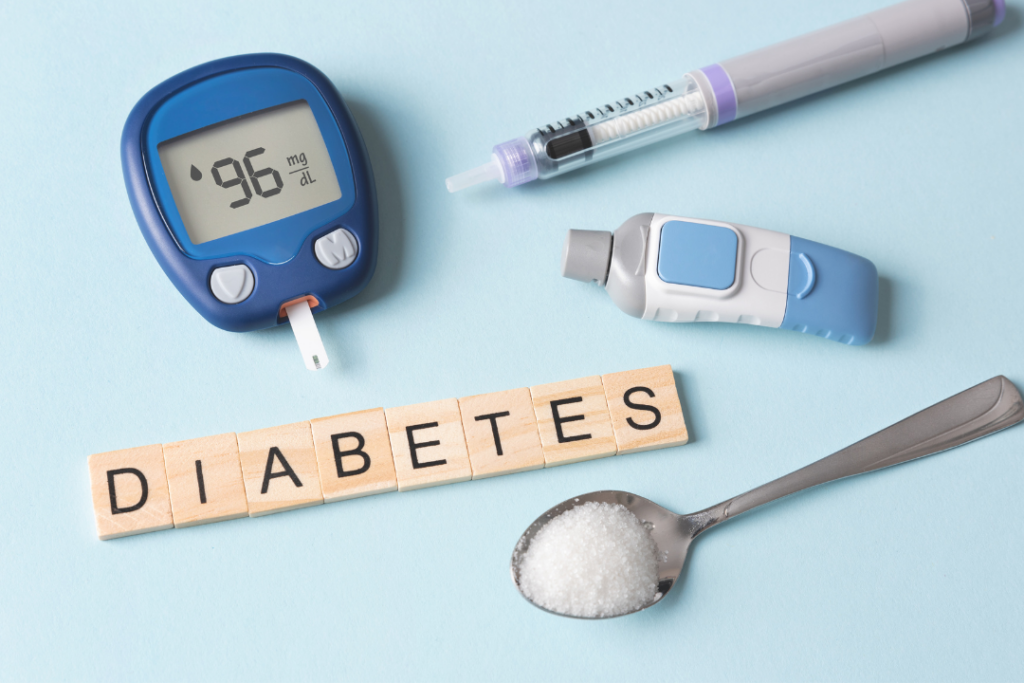
Certainly, individuals diagnosed with diabetes can indeed incorporate fruits into their dietary plans, provided they do so with careful consideration and moderation. Fruits are a valuable source of essential vitamins, minerals, and dietary fiber. However, since fruits also contain natural sugars, primarily in the form of fructose, they can influence blood sugar levels. To manage blood sugar effectively, people with diabetes should monitor their carbohydrate intake, choose fruits with lower glycemic index values, control portion sizes, and consider the timing of fruit consumption in relation to other foods.
Collaborating with a healthcare provider or registered dietitian is essential to create a personalized meal plan that aligns with an individual’s specific dietary requirements and blood sugar management objectives. It is vital to note that diabetes management is highly individualized, and strategies may vary from person to person.
The glycemic index (GI) measures how quickly a carbohydrate-containing food raises blood sugar, on a scale of 0 to 100 – lower numbers mean a slower, gentler rise. Fruits with a GI of 55 or below are generally considered good choices for blood sugar management.
A useful reference point: one standard fruit serving is roughly 15 grams of carbohydrate – about one small whole fruit, half a banana, or roughly a cup of berries. Most people with diabetes can comfortably fit 2–4 fruit servings into their day as part of an overall balanced meal plan.
When it comes to diabetes management, not all fruits are created equal. The best choices are those that have a minimal effect on blood glucose levels. Low-glycemic index (GI) fruits such as berries, cherries, and apples rise above the rest. These fruits release sugars slowly into the bloodstream, preventing sudden spikes in blood sugar. Incorporating a variety of these can add nutritional richness to a diabetic diet without the worry of overstepping sugar boundaries.

Berries are an excellent choice for individuals with diabetes. Blueberries, strawberries, raspberries, and blackberries are rich in antioxidants, fiber, and essential vitamins. Blackberries, for example, contain around 7–8g of fibre per cup while being relatively low in sugar. The fibre content slows digestion and sugar absorption, helping prevent rapid blood sugar spikes.
Cherries – sweet or tart – are among the lowest-GI fruits available, alongside offering antioxidant and anti-inflammatory compounds called polyphenols. Tart cherries specifically have drawn some research interest: one small study found that women with diabetes who drank tart cherry juice daily for six weeks saw a reduction in A1C (a marker of average blood sugar over time) – a promising but preliminary finding that shouldn’t be treated as a guarantee. As with any fruit, portion control still matters.
Apples are a good source of fibre, particularly when eaten with the skin on. This fibre helps regulate blood sugar and supports fullness. Whole apples are the better choice over apple juice or applesauce, which lose most of the fibre in processing.
High in fibre – over 20% of a day’s recommended intake in one pear – which slows digestion and helps manage blood sugar. Best enjoyed whole, in their natural state.
A good source of vitamins, minerals, and fibre. Fresh or frozen peaches are the best choice; canned peaches in syrup should generally be avoided due to high added sugar content.
A good source of vitamin C and fibre, and one of the lower-GI fruit options – just avoid adding sugar or sweet syrups.
Not a traditionally “sweet” fruit, but nutrient-dense and low in carbohydrates, with healthy fats that add satiety without significantly affecting blood sugar.
Watermelon has a notably higher glycemic index than the fruits above, but its high water content means a typical serving contains relatively few total carbohydrates, which can offset some of the impact. It’s best enjoyed in modest portions, ideally alongside other lower-GI foods, rather than as a large standalone serving.

It depends entirely on how it’s prepared. Canned fruit in syrup – including canned peaches, a common question – should generally be avoided, since the syrup adds a significant amount of sugar beyond what’s naturally in the fruit. Canned fruit in water or its own juice, with no added sugar, is a reasonable alternative to fresh fruit when that’s not available — just check the label to confirm, and consider draining and rinsing it before eating to reduce any residual syrup. This same principle applies to canned tart cherries, pears, or any other canned fruit: fresh or frozen is generally preferable, but unsweetened canned versions are a fine substitute.

Higher-GI fruits – including mangoes, ripe bananas, papayas, pineapple, and large portions of watermelon – can cause a more noticeable rise in blood sugar, particularly in larger servings. This doesn’t mean they’re off-limits entirely; smaller portions, paired with protein or fat, can often still fit into a diabetes-friendly diet.
Dried fruit is concentrated in sugar once the water is removed – just two tablespoons of dried fruit like raisins or dried cherries can contain around 15g of carbohydrate, equivalent to a much larger portion of the fresh version – so portions should be kept small.
Fruit juice and smoothies can be surprisingly high in sugar with little of the fibre that whole fruit provides – a 6-ounce glass of orange juice, for instance, contains roughly as much sugar as a similar serving of soda, with almost none of the fibre that would normally slow its absorption. If you do make smoothies, using a larger proportion of vegetables and a smaller amount of fruit for sweetness is a reasonable way to moderate the sugar content.
Only if they’re packed in water or their own juice without added sugar – canned peaches in syrup should generally be avoided due to high sugar content.
Yes – cherries have one of the lowest glycemic index values among common fruits (around 20), making them a good choice in reasonable portions.
They may offer some benefit – one small study found tart cherry juice was associated with reduced A1C levels in women with diabetes – though more research is needed, and portion control still matters.
Yes, both are excellent choices – low in sugar, high in fibre, and rich in antioxidants.
High-GI fruits in large portions (mangoes, ripe bananas, pineapple), dried fruit, fruit juice, and any canned fruit packed in syrup are worth limiting or eating in smaller portions.
Fruit doesn’t need to be feared as part of a diabetes-friendly diet – the key is choosing lower-GI options like berries, cherries, apples, and pears, being mindful of portion sizes (roughly 15g of carbohydrate per serving), and being cautious with dried fruit, juice, and syrup-packed canned fruit. Pairing fruit with protein or fat, and eating it as part of a balanced meal, can further help manage blood sugar response. For a personalised approach to your diabetes and dietary needs, speak with a doctor on the MaNaDr app for a plan tailored to you.