Breast Cancer: Symptoms, Types, Causes & Treatment: Why These Often-Missed Signs Demand Immediate Action! - Manadr
Breast Cancer: Symptoms, Types, Causes & Treatment: Why These Often-Missed Signs Demand Immediate Action!
MaNaDr2021-09-25
Breast cancer is a serious health concern, standing as one of the most common cancers diagnosed globally and a leading cause of cancer-related death among women. While primarily affecting women, men can also develop it. This type of cancer begins in the breast tissue, often as a breast tumor or lump. Despite being frequently treatable, especially when detected early, breast cancer often progresses silently, with its most crucial breast cancer symptoms being subtle or easily dismissed.
1. What Exactly Is Breast Cancer and Types of Breast Cancer?
To grasp the significance of this diagnosis, it’s essential to understand the fundamental breast cancer definition and its physiological context within the breast tissue. This section will clarify what is breast cancer and its place in global health.
1.1. Defining Breast Cancer
Breast cancer is a cancer that forms in the cells of the breast. It occurs when breast cells begin to grow uncontrollably, forming a breast tumor (a lump or mass) that can be felt or seen on an imaging test. Most breast cancers, which are the malignant form of a breast tumor, originate in the milk-producing glands (lobules) or the ducts (tubes that carry milk to the nipple).
Essentially, “what breast cancer is” describes a malignant condition where abnormal cells divide without control. These cells can invade nearby tissues and, if left untreated, can spread to other parts of the body through the blood and lymph systems (metastasis). While breast cancer is primarily associated with women, men can also develop it,
1.2. Anatomy of the Breast (Where Cancer Develops)
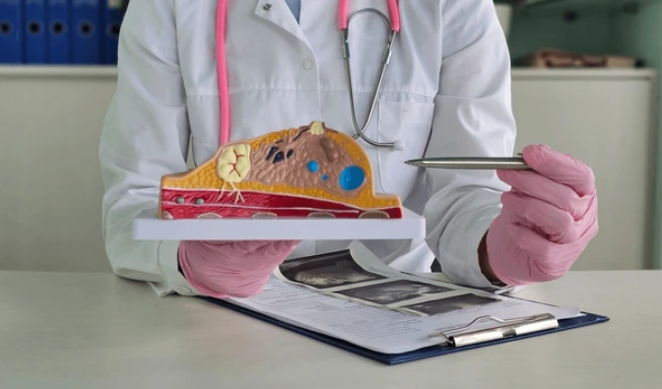
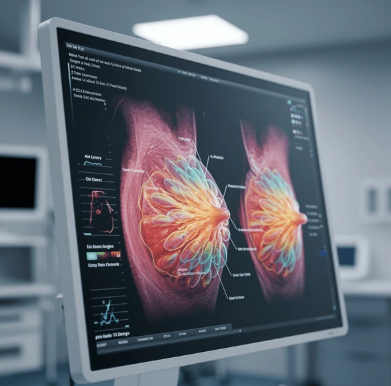
Understanding the basic anatomy of the breast helps clarify where breast cancer typically originates. The breast is primarily composed of:
Lobules: Glands that produce milk.
Ducts: Tubes that carry milk from the lobules to the nipple.
Fatty Tissue: Fills the space between the lobules and ducts.
Most breast cancers begin in the cells lining the ducts or lobules.
1.3. Types of Breast Cancer
Breast cancer is not a single disease but encompasses various types, classified based on where they start, whether they’ve spread, and their biological characteristics. Understanding these types of breast cancer is crucial for diagnosis and breast cancer treatment.
Invasive Breast Cancers: These cancers have broken through the original site (ducts or lobules) and invaded surrounding breast tissue. They can then spread to other parts of the body.
Invasive Ductal Carcinoma (IDC): The most common type, accounting for 70-80% of all breast cancers. It starts in the milk ducts and grows into the fatty tissue of the breast.
Invasive Lobular Carcinoma (ILC): Accounts for about 10% of invasive breast cancers. It starts in the milk-producing lobules and spreads from there.
Non-invasive (In Situ) Breast Cancers: These cancers are confined to their place of origin and have not spread into surrounding breast tissue.
Ductal Carcinoma In Situ (DCIS): Cancer cells are present in the milk ducts but have not broken through the duct walls. While non-invasive, it can become invasive if left untreated.
Lobular Carcinoma In Situ (LCIS): Abnormal cells are found in the lobules. LCIS is not considered cancer, but it indicates an increased risk of developing invasive breast cancer in either breast later.
Other Less Common Types:
Inflammatory Breast Cancer (IBC): A rare (1-5% of cases) but aggressive type where cancer cells block lymph vessels in the skin, leading to a red, swollen, warm, and pitted appearance (like an orange peel). It often has no lump.
Paget’s Disease of the Breast: A rare cancer involving the skin of the nipple and usually the areola. It often looks like eczema or a rash on the nipple.
Triple-Negative Breast Cancer (TNBC): Accounts for 10-15% of cases. It’s an aggressive type that doesn’t express estrogen receptors (ER), progesterone receptors (PR), or HER2 protein, limiting hormonal and targeted treatment options.
1.4. How Common is Breast Cancer? (Prevalence & Impact)
Breast cancer is a major global health concern, affecting millions and standing as one of the most frequently diagnosed cancers among women worldwide.
Global Incidence: According to the World Health Organization (WHO), breast cancer is the most common cancer globally, accounting for 1 in 8 cancer diagnoses. In 2020, there were 2.3 million women diagnosed with breast cancer globally, and 685,000 deaths (World Health Organization – WHO).
Prevalence: It is estimated that approximately 1 in 8 women will be diagnosed with invasive breast cancer during their lifetime (American Cancer Society – ACS). This highlights why is breast cancer so common.
Mortality vs. Survival: While frequently diagnosed, advances in early detection and breast cancer treatment have significantly improved breast cancer survival rates. The 5-year relative breast cancer survival rate for localized disease (cancer has not spread outside the breast) is 99% (American Cancer Society – ACS). Despite this, it remains the second leading cause of cancer death among women globally, after lung cancer.
Impact: The disease profoundly impacts individuals, families, and healthcare systems. The emotional, physical, and financial burden can be immense, even for those who survive, emphasizing the importance of support and survivorship care.
2. What Are the Symptoms and Signs of Breast Cancer?
Recognizing breast cancer symptoms can be challenging because, in its early stages, breast cancer may present with no noticeable signs of breast cancer. This silent nature is why regular screening and self-awareness are so important. When symptoms of breast cancer do appear, they often indicate that the disease has progressed or is affecting nearby structures.
2.1. The Importance of Early Recognition
The ability to identify early signs of breast cancer and take immediate action is crucial for improving outcomes. The article’s title, “Why These Often-Missed Signs Demand Immediate Action!”, highlights the critical need for vigilance because timely intervention can significantly improve prognosis.
2.2. Common Symptoms of Breast Cancer
As breast cancer grows or spreads, it can lead to various symptoms of breast cancer for women (and men):
Lump or Mass: The most common symptom is a new lump or mass in the breast or underarm area (armpit). It may feel firm, immovable, and different from the surrounding breast tissue. While often painless, it can sometimes be tender.
Changes in Breast Size or Shape: Swelling of all or part of the breast, or a noticeable change in breast size or shape without explanation.
Skin Changes:
Dimpling or puckering of the breast skin, resembling an orange peel (peau d’orange).
Redness, scaling, thickening of the breast skin or nipple.
Ridges or pitting of the skin.
Nipple Changes:
An inverted nipple (turned inward) or a nipple that pulls to one side.
Nipple discharge (other than breast milk) that may be clear, bloody, or colored.
Pain in the nipple area.
Scaling, crusting, or flaking of the nipple skin.
Pain: While often a myth that is breast cancer painful in early stages, some individuals may experience persistent breast pain or nipple pain. However, pain is a less common primary symptom than a lump.
These are general what breast cancer symptoms to be aware of.
2.3. The 8 Often-Missed Signs Demanding Immediate Action (Key Red Flags)
While what are signs of breast cancer isn’t always obvious, certain persistent symptoms, often subtle and easily dismissed, serve as key red flags that warrant immediate medical investigation. These early breast cancer symptoms can signal the need for urgent action:
Persistent Breast Pain (unexplained): While breast pain is common, persistent, localized pain that doesn’t resolve after menstruation or without a clear cause should be checked, even if no lump is present.
Unilateral Nipple Retraction or Inversion (New Onset): A nipple that suddenly turns inward or pulls to one side, especially if it was previously everted, is a significant sign.
Unusual Nipple Discharge: Any discharge from the nipple (clear, bloody, or colored) that is not breast milk, particularly if spontaneous or from a single duct.
Skin Changes Resembling Rash or Eczema: Redness, scaling, flaking, or thickening of the breast skin or nipple that persists or doesn’t respond to typical treatments for skin conditions.
Armpit Swelling or Lump: A new lump or swelling in the armpit, which could be a swollen lymph node indicating cancer has spread there, may be the very first signs of breast cancer someone notices.
Persistent Changes in Breast Size/Shape/Contour: Any unexplained swelling, shrinking, or noticeable asymmetry that is new or progressive, without weight change.
Persistent Nipple Itchiness/Rash: Itching, burning, or flaking of the nipple that looks like eczema but does not heal. This could be a sign of Paget’s disease of the breast.
Warmth, Swelling, Redness, Pitted Skin: A combination of these, often with a heavy feeling, can be signs of breast cancer in women particularly indicating inflammatory breast cancer (IBC), which is aggressive and often has no distinct lump.
These breast cancer early signs demand prompt medical evaluation.
2.4. Symptoms in Men
Yes, men can get breast cancer, though it’s rare, accounting for less than 1% of all cases. Breast cancer symptoms in men are similar to those in women:
A lump or swelling, often painless, behind the nipple or in the breast.
Nipple changes: inverted nipple, discharge, redness, or scaling.
Skin changes: dimpling or puckering of the skin on the chest.
Expert Answer:Breast cancer most commonly looks like a new lump or mass in the breast or armpit. However, it can also present as subtle changes in the skin (dimpling, redness, scaling, thickening), nipple changes (inversion, discharge, rash), swelling of part or all of the breast, or changes in breast size/shape. It rarely causes breast tumor symptoms that are just pain without other signs. (National Breast Cancer Foundation – NBCF).
Q: Is breast cancer always painful?
Expert Answer: No, breast cancer is often not painful in its early stages, especially when it presents as a lump. Pain is a less common primary symptom. While some women do experience breast pain with cancer, persistent pain is more often due to benign conditions. This silent nature underscores why signs of breast cancer often require a physical exam or imaging, not just waiting for pain. (American Cancer Society).
If you’re experiencing any concerning changes or breast cancer symptoms, connecting with a healthcare professional is a vital first step. MaNaDr offers a discreet way to consult with online doctors 24/7 to discuss your concerns and gain initial guidance from home.
3. What Causes Breast Cancer?
Understanding what causes breast cancer involves recognizing a complex interplay of genetic, lifestyle, and environmental factors. For most individuals, there isn’t a single definitive cause for breast cancer, but rather a combination of breast cancer triggers and predispositions.
3.1. Complex Causes and Risk Factors
The exact reason what causes a breast cancer remains unknown in many cases. However, research has identified several breast cancer risk factors that can increase an individual’s likelihood of developing the disease. It’s the interplay of these factors that typically leads to the development of abnormal breast cells that become cancerous.
3.2. Non-Modifiable Risk Factors
These are factors you cannot change, but they significantly influence your risk:
Gender: Being female is the primary risk factor for breast cancer. While men can get it, breast cancer is about 100 times more common in women.
Age: The risk of breast cancer increases significantly with age. The majority of breast cancers are diagnosed after age 50.
Genetics:Breast cancer can be hereditary. Inherited gene mutations, particularly in BRCA1 and BRCA2 genes, significantly increase risk. Other less common gene mutations (e.g., PALB2, CHEK2, ATM, TP53) also contribute. This addresses “is breast cancer hereditary.”
Family History: Having a close relative (mother, sister, daughter) who had breast cancer (especially if diagnosed at a young age) increases your risk.
Personal History of Breast Conditions: A previous diagnosis of breast cancer or certain non-cancerous (benign) breast conditions (e.g., atypical hyperplasia, lobular carcinoma in situ – LCIS) can increase future risk.
Race/Ethnicity: White women have a slightly higher incidence of breast cancer than African American women, but African American women are more likely to be diagnosed at a younger age, with more aggressive types, and have a higher mortality rate.
Early Menarche/Late Menopause: Starting menstruation before age 12 or experiencing menopause after age 55 prolongs a woman’s lifetime exposure to estrogen, which can increase risk.
Dense Breast Tissue: Having dense breast tissue (more fibrous and glandular tissue, less fat) makes it harder to see abnormalities on mammograms and is a risk factor itself.
3.3. Modifiable Risk Factors
These factors relate to lifestyle choices and exposures that can be altered to potentially reduce your risk of breast cancer:
Obesity: Being overweight or obese, especially after menopause, increases breast cancer risk. Fat tissue produces estrogen, and higher estrogen levels can fuel certain breast cancers.
Physical Inactivity: A sedentary lifestyle is associated with an increased breast cancer risk. Regular physical activity helps reduce this risk.
Alcohol Consumption: Consuming alcohol increases breast cancer risk. The risk increases with the amount of alcohol consumed.
Diet: A diet high in saturated fat and processed foods and low in fruits, vegetables, and fiber has been linked to increased cancer risk, though evidence for breast cancer specifically is complex.
Hormone Therapy: Postmenopausal hormone therapy (combined estrogen and progestin) significantly increases the risk of breast cancer. Estrogen-only therapy may increase risk after more than 10 years of use.
Radiation Exposure: Exposure to radiation to the chest, particularly at a young age (e.g., for Hodgkin lymphoma), increases breast cancer risk.
Smoking: While direct causation for breast cancer is complex, smoking is linked to an increased risk, especially for younger, premenopausal women.
Expert Answer: Yes, men can get breast cancer, though it is rare. It accounts for less than 1% of all breast cancer cases. Similar to women, men can develop lumps, nipple changes, or skin alterations. Because it’s less common, awareness of breast cancer symptoms in men is crucial, as delayed diagnosis can occur. (American Cancer Society – ACS).
4. How Is Breast Cancer Treated?
Breast cancer treatment is highly individualized, depending on the type, stage, biological characteristics of the cancer, and the patient’s overall health and preferences. The goal of breast cancer treatments is to eliminate cancer cells, prevent recurrence, and manage symptoms, with the ultimate aim of improving breast cancer survival rates.
4.1. Goals of Treatment
The primary goals of breast cancer management include:
Remove Cancer: Surgically remove the primary tumor and affected lymph nodes.
Prevent Recurrence: Reduce the risk of cancer returning in the same breast or elsewhere in the body.
Prevent Spread: Prevent the cancer from metastasizing to distant organs.
Improve Quality of Life: Manage side effects of breast cancer treatment and support overall well-being.
4.2. Local Treatments
These therapies target the cancer in the breast and nearby lymph nodes:
Surgery: The primary local breast cancer treatment, involving the removal of the cancerous tumor and possibly nearby lymph nodes.
Lumpectomy (Breast-Conserving Surgery): Removal of the tumor and a small margin of surrounding healthy tissue, preserving most of the breast. Often followed by radiation therapy.
Mastectomy: Removal of the entire breast. This can be a simple, modified radical, or skin-sparing mastectomy.
Lymph Node Removal: Sentinel lymph node biopsy (removing a few key nodes) or axillary lymph node dissection (removing more nodes) may be performed to check for cancer spread.
Radiation Therapy: Uses high-energy rays to kill remaining cancer cells after surgery or to shrink tumors before surgery. It’s often given after lumpectomy to reduce recurrence risk.
4.3. Systemic Treatments
These therapies travel throughout the body to kill cancer cells that may have spread beyond the breast. They are often given after surgery (adjuvant therapy) to reduce recurrence risk, or before surgery (neoadjuvant therapy) to shrink large tumors, or as the main breast cancer treatment for advanced disease.
Chemotherapy: Uses powerful breast cancer drugs to kill fast-growing cancer cells throughout the body. It may be given intravenously or orally.
Hormone Therapy: Used for hormone-receptor-positive breast cancers (ER-positive or PR-positive). These breast cancer treatment options work by blocking hormones (estrogen and/or progesterone) that fuel cancer growth. It can be taken orally for several years.
Targeted Therapy: These newer breast cancer treatments use drugs designed to attack specific characteristics or vulnerabilities in cancer cells (e.g., HER2 protein, certain gene mutations) while minimizing harm to healthy cells.
Immunotherapy: Boosts the body’s own immune system to fight cancer cells. It’s a promising option for certain types of advanced breast cancer, particularly triple-negative breast cancer.
4.4. Treatment Based on Stage and Type
The choice of breast cancer treatment is highly personalized and depends on several factors:
Cancer Stage: Whether it’s stage 1 breast cancer symptoms (early, localized) or stage 4 breast cancer (advanced, metastatic).
Cancer Type: Specific type (e.g., IDC, ILC, TNBC, HER2-positive).
Hormone Receptor Status: (ER/PR positive or negative).
HER2 Status: (Positive or negative).
Patient’s Overall Health and Preferences: Age, comorbidities, and desired quality of life.
Expert Answer: Yes, breast cancer is highly curable, especially when detected at an early stage. Advances in breast cancer treatment have dramatically improved survival rates. The goal of treatment is often to achieve a complete remission, and many individuals go on to live long, healthy lives after diagnosis. (National Cancer Institute – NCI).
Q: What are the side effects of breast cancer treatments?
Expert Answer: Side effects vary significantly depending on the specific breast cancer treatment received.
Hormone Therapy: Hot flashes, joint pain, vaginal dryness.
Targeted/Immunotherapy: Specific side effects depending on the drug. Your medical team will discuss potential side effects thoroughly. (American Society of Clinical Oncology – ASCO).
If you are discussing breast cancer treatment options, managing side effects, or seeking a second opinion on your care plan, MaNaDr offers a discreet and convenient platform. You can connect with qualified doctors instantly for expert consultations.
5. How Is Breast Cancer Diagnosed?
Early and accurate breast cancer diagnosis is crucial for improving survival rates and guiding effective breast cancer treatment. Recognizing potential breast cancer signs and understanding diagnostic procedures empowers individuals to seek timely medical attention.
5.1. Importance of Early Diagnosis
Early detection of breast cancer significantly improves prognosis and breast cancer survival rates. When breast cancer is found early (localized to the breast), the 5-year survival rate is nearly 100%. This underscores why it’s vital to know how to know if you have breast cancer and undergo recommended diagnostic steps.
5.2. Breast Cancer Screening Methods
Breast cancer screening involves tests used to look for breast cancer before any symptoms appear. The goal is to find cancer early when it is small and most treatable.
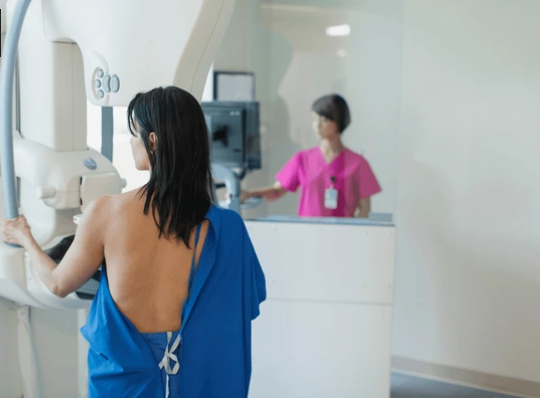
Mammogram: This is the primary breast cancer screening tool. It is an X-ray of the breast designed to detect lumps, calcifications, or other changes that may be too small to feel. Guidelines for when to start and how often to get mammograms vary slightly by organization, but generally recommend annual screening for women starting at age 40 or 45.
Clinical Breast Exam (CBE): A physical examination of the breasts and underarms performed by a doctor or other healthcare professional to check for lumps or other changes.
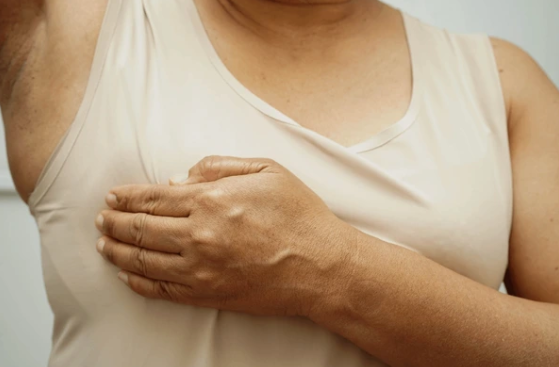
Breast Self-Exam (BSE): While not recommended as the sole screening method, self-exams are encouraged for self-awareness. Knowing your own breasts and performing regular self-exams can help you become familiar with their normal feel and appearance, allowing you to quickly notice any new or unusual breast tumor signs and symptoms. This can help you understand how to know if you have a breast tumor.
5.3. Diagnostic Tests After Abnormal Screening
If a screening test (mammogram, CBE, or BSE) reveals an abnormality or a breast tumor, further diagnostic tests are performed to determine if it is breast cancer and, if so, its characteristics.
Diagnostic Mammogram: A more detailed mammogram may be taken of the suspicious area.
Breast Ultrasound: Uses sound waves to create images of the breast. It’s often used to determine if a lump is solid (potentially a tumor) or fluid-filled (a cyst).
Breast MRI: Magnetic Resonance Imaging provides very detailed images of the breast and is often used for high-risk women or for further evaluation after other tests.
Biopsy: This is the definitive way to diagnose breast cancer. A tissue sample is taken from the suspicious area (lump, abnormal mammogram finding) and sent to a pathologist for microscopic examination. Types of biopsies include core needle biopsy (most common) and surgical biopsy. A biopsy confirms whether the breast tumor is a breast cancer malignant tumor.
Pathology Report: The biopsy results will detail the type of breast cancer, its grade (how aggressive it looks), and its hormone receptor (ER/PR) and HER2 status. This information is critical for guiding breast cancer treatment decisions.
5.4. Staging After Diagnosis
Once breast cancer is definitively diagnosed, breast cancer staging determines the extent of the cancer—whether it’s confined to the breast, has spread to nearby lymph nodes, or to distant parts of the body. This is crucial for guiding breast cancer treatment and predicting breast cancer prognosis. The TNM (Tumor, Node, Metastasis) system is commonly used for staging.
Staging for Breast Cancer:
Stage 0:In situ disease. This is a non-invasive cancer, where abnormal cells are present but have not spread outside the ducts or lobules. This includes Ductal Carcinoma In Situ (DCIS) and Lobular Carcinoma In Situ (LCIS), as well as Paget’s disease of the nipple if there is no underlying invasive cancer.
Stage I:Small invasive tumors with no or limited nodal involvement. The cancer is a small tumor (2 cm or less) that has spread into the surrounding breast tissue, but has either not spread to any lymph nodes or only to a very small extent.
Stage II:Tumors typically measuring 2–5 cm and/or limited nodal disease. The cancer is either larger (up to 5 cm) or has spread to a limited number of axillary lymph nodes (1-3 nodes).
Stage III:Larger tumors (>5 cm) and/or ≥4 positive nodes and/or chest wall or skin involvement. This is considered advanced local disease, often including tumors larger than 5 cm, cancer that has spread to many nearby lymph nodes (4 or more), or has invaded the skin or chest wall. Inflammatory Breast Cancer (IBC) is often classified as a Stage III or higher.
Stage IV:Presence of distant metastasis. This is also known as metastatic breast cancer, where the cancer has spread from the breast to distant organs like the bones, liver, lungs, or brain. While this stage is not considered curable, it is manageable with modern treatments.
Conclusion
Do not overlook persistent breast changes or dismiss subtle breast cancer signs. Regular screening, self-awareness, and prompt medical evaluation are paramount. By taking proactive steps, you can significantly improve your breast cancer prognosis and overall health.
Disclaimer: This article is for informational purposes only and does not constitute medical advice. Always consult with a qualified healthcare professional for diagnosis and treatment of any medical condition.
References
American Cancer Society (ACS). (n.d.). Breast Cancer Risk Factors. Retrieved fromhttps://www.cancer.org/cancer/types/breast-cancer/risk-and-prevention.html
National Breast Cancer Foundation (NBCF). (n.d.). Breast Cancer Symptoms. Retrieved fromhttps://www.nationalbreastcancer.org/breast-cancer-symptoms-and-signs/