


Wondering how to exercise with bad knees to lose weight? Whether due to arthritis, injury, or other causes of knee pain, there are still effective exercises. Combining cardio and weight-bearing exercises is key. Optimal choices include stretching, strength training, and low-impact cardio like cycling or swimming.
This article explores exercising with bad knees, addressing weight loss and pain relief through safe practices, benefiting arthritis, injury rehabilitation, and more.
Carrying excess weight increases pressure on the knee joints, which raises the risk of both knee pain and osteoarthritis – and once knee pain sets in, it can make staying active harder, creating a difficult cycle. Exercise helps break this cycle in a few ways:
Exercise proves to be an economical yet impactful remedy for individuals dealing with knee problems. It can alleviate symptoms like knee swelling and stiffness, enhance flexibility in the affected joint, and strengthen the surrounding muscles. This approach is both affordable and effective in promoting knee health.
Choosing physical activity over medication or surgery for arthritic knee pain not only yields better results but also avoids the risk of serious side effects associated with those interventions. Research suggests that exercise therapy is particularly effective in slowing the progression of knee osteoarthritis.
Exercise, coupled with modest weight loss, has been shown to reduce knee pain and enhance knee function in individuals with osteoarthritis. Maintaining a healthy weight through regular activity proves beneficial for stronger, less painful knees.
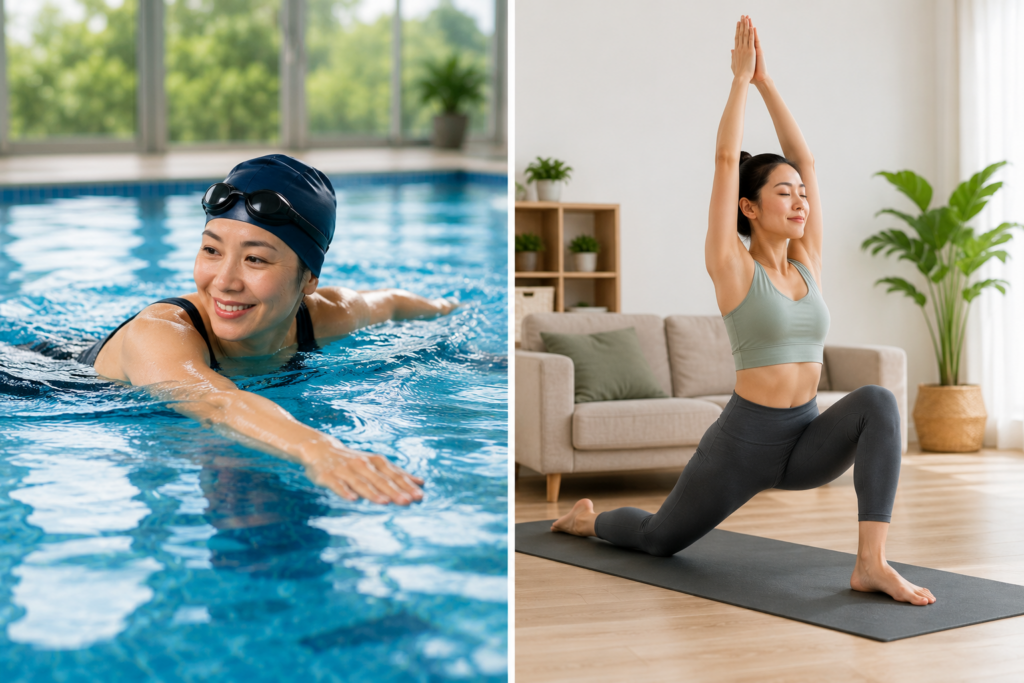
Incorporating stretches into your routine is key to preventing tightness in the knee and leg muscles, which can be a factor in knee pain. Effective stretches for the knee and surrounding muscles include the knee quadriceps stretch and standing hamstring stretch. These stretches contribute to flexibility and can be beneficial in maintaining knee health.
Swimming stands out as an excellent cardiovascular workout that benefits your knees. It contributes to the strengthening of bones and muscles, enhancing flexibility in the process. Moreover, swimming is an enjoyable activity, making it a great choice to dive into your nearby pool!
Unlike exercises involving weight-bearing, where the impact on your knees is significant due to the hard surface, being in water reduces this impact, alleviating pressure on your knee joints. Additionally, the buoyancy of water allows for longer exercise sessions with less strain and joint discomfort for most individuals.

Taking a simple walk is a great low-impact cardio option with multiple health benefits. It’s particularly gentle on the knees, making it an effective choice for alleviating knee pain. The ease and accessibility of walking, coupled with its positive impact on cardiovascular health and muscle strength, make it a versatile and appealing exercise for individuals of various fitness levels.
Yoga and Pilates are renowned for their dual benefits of stretching and strengthening, particularly beneficial for knee health. These low-impact exercises provide effective ways to enhance knee strength without imposing excessive stress on the joints.
Yoga emphasizes flexibility and mindful movement, while Pilates focuses on controlled movements and core stability. Both practices offer adaptability, making them accessible to various fitness levels and suitable for individuals with knee concerns. Integrating yoga and Pilates into your routine can contribute not only to knee strength but also to overall well-being.
Elliptical training stands out as a low-impact aerobic workout due to the smooth, gliding motion of its pedals. In contrast to treadmill running, elliptical training minimizes stress on the knees. With the feet constantly in contact with the machine, it becomes an ideal choice for individuals who appreciate running but need to manage knee instability. This exercise option allows for cardiovascular benefits without compromising joint health.
Stronger muscles around the knee – particularly the quadriceps, hamstrings, and glutes – help stabilise the joint and reduce the load it has to bear directly. A few options that are generally well-tolerated and can be done at home with no equipment:
Start with a small number of repetitions and increase gradually – the goal is consistent, controlled strengthening, not pushing through pain.
It’s worth checking in with a doctor or physical therapist before starting a new exercise routine if you have a diagnosed condition like osteoarthritis, or are recovering from a knee injury – they can tailor recommendations to your specific situation. Stop exercising and seek medical advice if you experience:
These can indicate that your current routine needs adjusting, or that an underlying issue needs proper evaluation before continuing.
There’s no single “best” option – a combination of low-impact cardio (like walking, cycling, or swimming) and knee-friendly strength training tends to be most effective for both pain relief and weight loss.
Yes – walking, bodyweight strength exercises, stretching, and yoga or Pilates can all be done at home with no equipment.
Walking alone can support weight loss, especially combined with dietary changes, but pairing it with strength training tends to produce better results by also supporting the muscles around the knee.
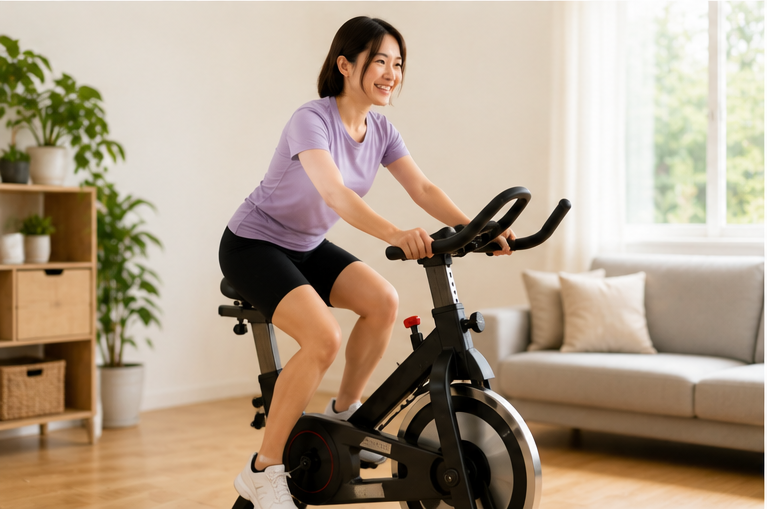
Yes – cycling is widely recommended for knee pain, since it moves the joint through a smooth, low-impact circular motion while still providing an effective cardio and leg-strengthening workout.
Mild discomfort during gentle exercise is common, but sudden, severe, or worsening pain, swelling, or instability are signs to stop and consult a doctor rather than push through.
Bad knees don’t have to rule out an effective weight-loss routine – low-impact cardio like walking, cycling, or swimming, combined with targeted strength training and stretching, can support both pain relief and gradual weight loss, and many of these can be done entirely at home. Pairing this with attention to your overall diet tends to produce the best results. If you’re unsure where to start, or have a diagnosed knee condition, consult a doctor through the MaNaDr app to build a safe, personalised plan.