Fatty Liver Disease - What Causes It & How to Reverse It: Early blood tests can predict fatty liver risk 16 years ahead - - Manadr
Fatty Liver Disease – What Causes It & How to Reverse It: Early blood tests can predict fatty liver risk 16 years ahead
MaNaDr2021-12-11
Fatty liver disease, also known as hepatic steatosis, is a common but often serious condition where excess fat accumulates in the liver cells. This build-up can lead to inflammation, liver damage, and potentially more severe conditions like cirrhosis or liver cancer if left unmanaged. While often silent in its early stages, understanding this condition is crucial for prevention and effective management.
This comprehensive guide will delve into what is fatty liver disease, explore its different types, detail the often-subtle fatty liver symptoms and signs, uncover what causes fatty liver, explain how to treat fatty liver and crucially, how to reverse fatty liver, and outline strategies for prevention. We’ll also highlight how advancements in early detection, like blood tests, can predict risk years in advance, as suggested by the title.
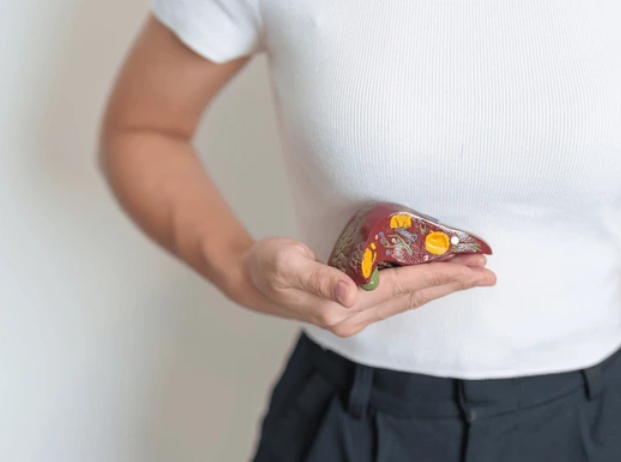
A healthy liver contains a small amount of fat, but too much can become a health problem.
1. What Exactly Is Fatty Liver Disease?
To understand the implications of this condition, it’s essential to grasp the fundamental fatty liver disease definition and what distinguishes it as a health concern.
Fatty liver disease, medically known as hepatic steatosis, is a condition characterized by the accumulation of excessive fat within the liver cells. For a diagnosis of fatty liver, the fat content in the liver typically needs to exceed 5% to 10% of the organ’s total weight. This excess fat disrupts the normal function of the liver, an organ vital for metabolism, detoxification, and many other bodily processes.
For those asking, “what is fatty liver disease” or “what is a fatty liver,” it’s a condition where the liver, an organ normally containing a small amount of fat, accumulates too much, leading to potential health issues. The term “steatosis of liver” or “steatosis of the liver” specifically refers to this fat accumulation.
1.2. Why a Fatty Liver is a Concern
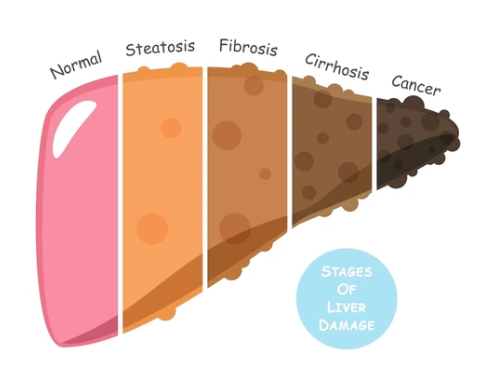
While simple fatty liver is often benign and causes no immediate harm, it’s crucial to understand “is fatty liver dangerous?” The answer lies in its potential to progress through several stages of liver disease:
Simple Fatty Liver (Steatosis): Fat in the liver, with little to no inflammation or liver cell damage. This stage is often reversible.
Steatohepatitis: This is a more serious stage where, in addition to fat, there is inflammation of the liver, which can lead to liver cell damage. This is often abbreviated as NASH (Non-Alcoholic Steatohepatitis) or ASH (Alcoholic Steatohepatitis).
Fibrosis: Persistent inflammation causes scarring (fibrosis) in the liver. While the liver can still function relatively normally at this stage, the scarring replaces healthy liver tissue.
Cirrhosis: Severe and widespread scarring that permanently damages the liver’s structure and impairs its ability to function. Cirrhosis can lead to liver failure, liver cancer, and significantly impact fatty liver disease life expectancy.
Recognizing that fatty infiltration of the liver can lead to such severe outcomes underscores the importance of early detection and intervention.
1.3. How Common is Fatty Liver Disease? (Prevalence & Global Impact)
Fatty liver disease has become a rapidly growing public health concern worldwide, reaching epidemic proportions in many regions.
Global Prevalence:Non-Alcoholic Fatty Liver Disease (NAFLD), the most common type, is estimated to affect around 25% to 30% of the global adult population (National Institute of Diabetes and Digestive and Kidney Diseases – NIDDK/NIH). This makes it one of the most common causes of chronic liver disease worldwide. The prevalence is even higher in specific populations, reaching up to 70% to 90% among individuals with obesity or type 2 diabetes.
Rising Trends: The increasing global rates of obesity, type 2 diabetes, and metabolic syndrome directly correlate with the rising prevalence of fatty liver disease, highlighting it as a significant consequence of modern lifestyles.
Impact: The widespread nature of fatty liver disease places a substantial burden on healthcare systems globally. It is projected to become the leading indication for liver transplantation in the coming years in many Western countries, surpassing viral hepatitis.
1.4. Expert Insight: Not Just for Heavy Drinkers
Expert Insight: A common myth is that “fatty liver disease only affects heavy drinkers, so if I don’t drink much alcohol, I’m safe.” However, leading hepatologists and public health organizations emphasize the crucial fact that while alcohol can cause it, the most prevalent form is Non-Alcoholic Fatty Liver Disease (NAFLD). NAFLD affects millions worldwide who drink little to no alcohol. This type is strongly linked to metabolic risk factors such as obesity, type 2 diabetes, high cholesterol, and insulin resistance, highlighting that anyone can be at risk, regardless of their drinking habits.
2. What Are the Types of Fatty Liver Disease?
Understanding the different types of fatty liver disease is crucial, as their causes and some aspects of their management can differ. The primary distinction is based on alcohol consumption.
2.1. Alcoholic Fatty Liver Disease (AFLD)
Alcoholic fatty liver disease is the earliest stage of alcohol-related liver disease. It occurs when excess fat builds up in the liver due to heavy alcohol consumption.
Cause: Alcohol is metabolized by the liver, and this process can produce harmful substances that damage liver cells and promote inflammation and fat deposition. The more alcohol consumed, the greater the risk.
Reversibility: AFLD is often reversible with complete alcohol abstinence, allowing the liver to recover.
2.2. Non-Alcoholic Fatty Liver Disease (NAFLD)
Non-alcoholic fatty liver disease (NAFLD) is the most common type of fatty liver disease in the United States and globally. As the name suggests, it occurs in people who drink little to no alcohol. It is closely linked to metabolic risk factors.
Simple Fatty Liver (NAFL): This is the less severe form of NAFLD. It means you have fat in your liver, but there is little to no inflammation or liver cell damage. This stage of hepatic steatosis is generally benign and may not progress, but it still indicates a need for lifestyle changes.
Non-Alcoholic Steatohepatitis (NASH): This is a more aggressive and potentially serious form of NAFLD. In addition to fat, there is significant inflammation of the liver, along with liver cell damage. This inflammation can lead to fibrosis (scarring), cirrhosis, and eventually liver cancer or liver failure. Steatohepatitis is a critical point in the progression of fatty liver disease.
2.3. Cryptogenic Cirrhosis
In some cases, individuals develop cirrhosis (severe liver scarring) without a clear identifiable cause. In many of these “cryptogenic cirrhosis” cases, it’s believed that the disease actually started as NASH that progressed silently to its advanced stages without being detected earlier.
3. What Are the Symptoms and Signs of Fatty Liver?
One of the most challenging aspects of fatty liver disease is its often asymptomatic nature, especially in its early stages. For many individuals, there are no symptoms of fatty liver at all, making early detection reliant on routine health checks. This is why it’s sometimes called a “silent disease.”
3.1. The “Silent Disease”: Often Asymptomatic
For those wondering “how do you know if you have a fatty liver” or signs of fatty liver, the answer is often: you don’t, without medical testing. The liver has few pain receptors, and fatty infiltration of the liver can occur without causing any discomfort or noticeable changes in how you feel. This means that a significant amount of fat can accumulate in the liver without any apparent fatty liver symptoms in females or males.
3.2. Non-Specific Symptoms (If Present)
When fatty liver disease symptoms do occur, especially as the condition progresses to inflammation (steatohepatitis), they are often vague and non-specific, easily mistaken for other common ailments:
Fatigue and Weakness: A persistent feeling of tiredness or lack of energy.
Dull or Aching Pain: Discomfort or a feeling of fullness in the upper right abdomen, just below the ribs. This is the most common form of fatty liver pain.
Unexplained Weight Loss: Significant weight loss without intentional dieting.
Nausea: A general feeling of sickness or an upset stomach.
Loss of Appetite: Reduced desire to eat.
Confusion or Difficulty Concentrating: In very rare and advanced cases, liver dysfunction can lead to cognitive issues.
3.3. Symptoms of Advanced Fatty Liver Disease (NASH, Fibrosis, Cirrhosis)
As fatty liver disease progresses to more severe stages like NASH, fibrosis, or cirrhosis, symptoms become more pronounced and indicative of significant liver damage. These are often the signs of a fatty liver that finally prompt a diagnosis:
Jaundice: Yellowing of the skin and whites of the eyes, caused by the liver’s inability to process bilirubin.
Dark Urine and Pale Stools: Changes in the color of urine (darker) and stools (lighter or clay-colored) due to bile pigment issues.
Swelling: Fluid retention leading to swelling in the legs (edema) and/or abdomen (ascites).
Vomiting Blood or Black, Tarry Stools: Indicates internal bleeding, often from ruptured varices (enlarged veins) in the esophagus, a sign of severe liver disease.
Confusion, Disorientation, or Slurred Speech (Hepatic Encephalopathy): As the liver loses its ability to remove toxins, these build up in the blood and can affect brain function.
Severe Fatigue and Weakness: Much more debilitating than the earlier vague fatigue.
Easy Bruising or Bleeding: Due to the liver’s impaired ability to produce clotting factors.
Spider Angiomas: Spider-like blood vessels visible on the skin.
3.4. Gender-Specific Considerations
While fatty liver symptoms in females are generally similar to those in males, there aren’t significant gender-specific symptoms that uniquely define its presentation. However, women may face particular challenges:
Hormonal Influences: Hormonal changes, particularly after menopause, may influence metabolic risk factors that contribute to NAFLD.
Diagnosis Challenges: In some cases, symptoms might be attributed to other common conditions in women, potentially delaying diagnosis if UC is not specifically considered.
If you’re experiencing persistent, vague symptoms, or if you have risk factors for fatty liver disease and are seeking clarity, MaNaDr offers a convenient way to consult with online doctors 24/7 to discuss your concerns and get initial guidance from home.
4. What Causes Fatty Liver Disease?
Understanding what causes fatty liver disease is complex, as it is often influenced by a combination of factors. The specific fatty liver causes depend on whether the condition is related to alcohol consumption or other metabolic issues. For those wondering “what causes a fatty liver” or “what causes the fatty liver,” the answer lies in a range of lifestyle and genetic predispositions.
4.1. Primary Causes of Non-Alcoholic Fatty Liver Disease (NAFLD)
The vast majority of fatty liver disease cases in non-drinkers are classified as Non-Alcoholic Fatty Liver Disease (NAFLD). The primary causes of fatty liver in this category are strongly linked to metabolic factors:
Obesity: This is the most common cause. Excess body fat, especially around the abdomen (visceral fat), significantly increases the risk of fat accumulation in the liver.
Type 2 Diabetes or Insulin Resistance: Individuals with type 2 diabetes or insulin resistance (where the body’s cells don’t respond well to insulin) are at a high risk. Insulin resistance leads to higher levels of fat in the blood, which the liver then stores.
High Cholesterol and Triglycerides: Elevated levels of certain fats (lipids) in the blood, particularly high triglycerides and unhealthy cholesterol profiles, contribute to fat buildup in the liver.
Metabolic Syndrome: This is a cluster of conditions (obesity, high blood pressure, high blood sugar, abnormal cholesterol/triglyceride levels) that significantly increases the risk of NAFLD and its progression to NASH.
Rapid Weight Loss: Ironically, very rapid weight loss (e.g., after bariatric surgery or crash diets) can sometimes trigger or worsen NAFLD, as the body releases a large amount of fat for metabolism, some of which may temporarily accumulate in the liver.
These factors explain what causes fatty liver disease in individuals who consume little to no alcohol.
4.2. Causes of Alcoholic Fatty Liver Disease (AFLD)
Alcoholic fatty liver disease is directly caused by heavy alcohol consumption.
Alcohol Metabolism: When alcohol is processed by the liver, it produces toxic byproducts that damage liver cells and interfere with the liver’s ability to metabolize fats. This leads to the accumulation of triglycerides in liver cells.
Amount of Alcohol: The risk and severity of AFLD are directly related to the amount and duration of alcohol consumption. Chronic, heavy drinking can lead to fat buildup and, eventually, more severe forms of alcohol-related liver disease like alcoholic hepatitis and cirrhosis.
4.3. Other Less Common Causes
While metabolic factors and alcohol are the main culprits, other less common causes of fatty liver can include:
Certain Medications: Some drugs can induce fatty liver as a side effect (e.g., amiodarone, methotrexate, tamoxifen, certain corticosteroids).
Genetic Metabolic Disorders: Rare inherited conditions can affect the body’s ability to process fats, leading to fat accumulation in the liver.
Malnutrition or Rapid Weight Loss: While paradoxically mentioned earlier as a cause for NAFLD, severe malnutrition or prolonged starvation can also lead to fatty liver as the body mobilizes fats.
Certain Infections: Some viral infections (e.g., hepatitis C) can sometimes contribute to fatty liver.
4.4. Expert Insight: Beyond Weight
Expert Insight: A common myth is that “you can only get fatty liver disease if you’re overweight or drink a lot of alcohol.” However, hepatologists and endocrinologists emphasize the crucial fact that while obesity and heavy alcohol consumption are major culprits, fatty liver can also affect individuals of normal weight (a condition known as ‘lean NAFLD’). It can also be caused by certain medications, rapid weight loss, or rare genetic metabolic conditions, highlighting its diverse etiology. This means maintaining a healthy weight doesn’t automatically exclude you from risk, making awareness of all potential fatty liver causes important.
5. How Can Fatty Liver Disease Be Treated and Reversed?
For many diagnosed with fatty liver disease, the critical question is “can fatty liver be reversed?” The good news is that fatty liver, particularly in its early stages (simple NAFL or mild hepatic steatosis), is often highly reversible and manageable with appropriate interventions. The primary fatty liver treatment strategies focus on addressing the underlying causes.
5.1. Goals of Treatment
The overarching goals of fatty liver disease treatments include:
Reduce Liver Fat: The primary objective is to decrease the amount of fat accumulated in the liver.
Prevent Inflammation & Scarring: For NASH, the goal is to halt or reverse inflammation and prevent progression to fibrosis and cirrhosis.
Achieve Remission: To eliminate or significantly reduce symptoms and restore liver health.
Improve Quality of Life: To enable individuals to live healthier, fuller lives without the burden of liver disease.
5.2. Lifestyle Modifications (Cornerstone of Treatment)
Lifestyle changes are the most effective and fundamental treatment for fatty liver, especially for NAFLD. These are often the first recommendations for how to heal a fatty liver or how to reverse fatty liver.
Weight Loss: This is the single most effective intervention for NAFLD. Losing even 5% of your body weight can reduce liver fat, and losing 7-10% can reduce inflammation and even reverse fibrosis in some cases. This is key to how to reduce fatty liver quickly and how to fix a fatty liver.
Dietary Changes: Adopting a healthy, balanced diet is crucial.
Reduce Calories: To achieve weight loss.
Limit Processed Foods and Sugary Drinks: These contribute to insulin resistance and fat accumulation. Pay close attention to hidden sugars in many products.
Reduce Unhealthy Fats: Limit saturated and trans fats, found in red meats, processed foods, and fried items.
Embrace Healthy Fats: Incorporate monounsaturated and polyunsaturated fats (e.g., from olive oil, avocados, nuts, fatty fish).
Increase Fiber: Found in fruits, vegetables, and whole grains, fiber aids digestion and metabolic health.
Avoid Excessive Alcohol: Even in NAFLD, alcohol can worsen liver health. For AFLD, complete abstinence from alcohol is essential. The fatty liver diet should be considered a comprehensive lifestyle change.
Regular Exercise: Engaging in regular physical activity, including both aerobic exercise and strength training, helps with weight loss, improves insulin sensitivity, and can reduce liver fat directly, even without significant weight loss. Aim for at least 150 minutes of moderate-intensity exercise per week.
5.3. Medications for Fatty Liver Disease (Emerging Options)
Currently, there are no FDA-approved medications specifically for NAFLD or NASH, but research is ongoing, and several promising fatty liver medication options are in clinical trials. Treatment typically focuses on managing underlying conditions.
Medications for Underlying Conditions: Your doctor may prescribe drugs for fatty liver that address related conditions like diabetes, high cholesterol, or hypertension.
Vitamin E: For individuals with NASH who do not have diabetes, Vitamin E (a potent antioxidant) may be prescribed to reduce liver inflammation.
Pioglitazone: Used for type 2 diabetes, this medication may also improve liver fat and inflammation in some individuals with NASH.
Newer Therapies: Several new fatty liver disease treatment options are being studied, including drugs that target specific pathways involved in liver inflammation and fibrosis.
The most critical and effective treatment fatty liver disease non alcoholic (correction: for alcoholic fatty liver disease) is complete and sustained alcohol abstinence. The liver has a remarkable capacity to heal, and removing alcohol can often reverse AFLD. Continued heavy drinking, however, will lead to progression to more severe forms of alcohol-related liver disease.
If you are exploring how to reverse fatty liver disease or need personalized guidance on lifestyle changes, MaNaDr offers a discreet and convenient platform to connect with online doctors 24/7 for expert consultations and a tailored plan.
6. How Can You Prevent Fatty Liver Disease?
Preventing fatty liver disease is primarily about adopting and maintaining a healthy lifestyle, especially given its strong links to obesity and metabolic syndrome. The good news is that many of the strategies for prevention are the same as those for reversal.
6.1. Primary Prevention Strategies
These are the core actions you can take to reduce your risk of developing fatty liver disease:
Maintain a Healthy Weight: This is paramount. Achieving and maintaining a healthy body mass index (BMI) significantly reduces fat accumulation in the liver.
Eat a Balanced, Nutrient-Rich Diet: Focus on whole foods, including plenty of fruits, vegetables, lean proteins, and whole grains. Limit the consumption of processed foods, sugary drinks, foods high in unhealthy saturated and trans fats, and excessive refined carbohydrates. This directly addresses how to decrease fatty liver risk through diet.
Engage in Regular Physical Activity: Aim for at least 150 minutes of moderate-intensity aerobic exercise or 75 minutes of vigorous-intensity exercise per week. Physical activity helps manage weight, improves insulin sensitivity, and directly benefits liver health.
Moderate Alcohol Consumption or Abstinence: Limit alcohol intake to recommended guidelines (up to one drink per day for women, two for men) or choose abstinence to protect your liver.
Manage Underlying Health Conditions: Effectively managing conditions like type 2 diabetes, high cholesterol, and hypertension is crucial, as these are strong risk factors for fatty liver disease.
6.2. Early Detection and Risk Prediction
Advancements in medical research are shedding light on how early detection can play a role in prevention. The title’s claim that “Early blood tests can predict fatty liver risk 16 years ahead” refers to ongoing research:
Studies are identifying specific biomarkers (e.g., certain liver enzymes, lipid ratios, or novel proteins) in blood tests that, when elevated, may indicate an increased risk of developing fatty liver disease and metabolic syndrome many years before overt symptoms or diagnosis. This kind of research holds promise for proactive screening and earlier intervention.
While not yet standard practice for mass screening, understanding the importance of routine health check-ups and discussing any slightly abnormal liver enzyme readings or metabolic markers with your doctor can lead to earlier risk assessment and preventative counseling.
6.3. Expert Insight: Lifestyle as Your Best Defense
Expert Insight: A common myth is that “fatty liver disease is just a genetic lottery; there’s little I can do to prevent it if it runs in my family.” While genetics can play a role in predisposition, leading gastroenterologists emphasize the crucial fact that lifestyle factors—such as maintaining a healthy weight, eating a balanced diet, regular exercise, and moderate alcohol consumption—are incredibly powerful and often the best defense against fatty liver disease. A significant percentage of cases are preventable or manageable through adherence to these healthy habits, even in those with a genetic predisposition, making personal lifestyle choices paramount for prevention.
Disclaimer: This article is for informational purposes only and does not constitute medical advice. Always consult with a qualified healthcare professional for diagnosis and treatment of any medical condition.