What is Gonorrhea: Definition, Symptoms & Diagnosis + Over 1.6 Million New Cases Annually – Are You Aware of the Risks? - MaNaDr Medical Notes - Manadr
What is Gonorrhea: Definition, Symptoms & Diagnosis + Over 1.6 Million New Cases Annually – Are You Aware of the Risks?
MaNaDr2021-09-18
Gonorrhea is a common and highly contagious sexually transmitted infection (STI) caused by bacteria. Often presenting with subtle or no symptoms, gonorrhea can lead to serious health complications if left untreated, affecting the genitals, rectum, and throat. Its rapid spread is a global concern, with figures like “Over 1.6 Million New Cases Annually” highlighting the urgent need for awareness and prevention.
1. What Exactly Is Gonorrhea?
1.1. Defining Gonorrhea
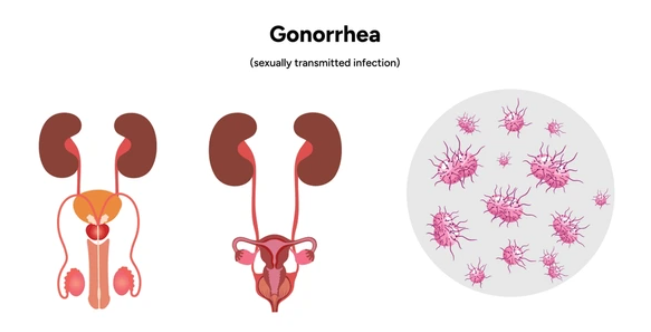
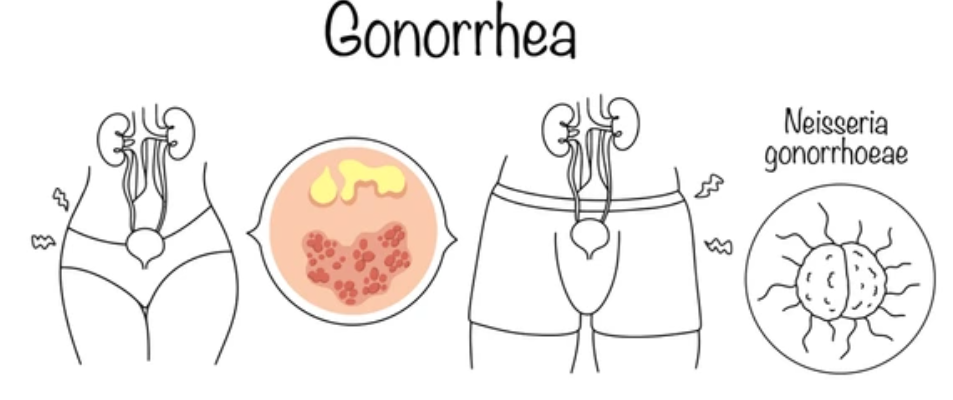
Gonorrhea is a sexually transmitted infection (STI) caused by the bacterium Neisseria gonorrhoeae. It is a common gonorrhea std that can infect the mucous membranes of the reproductive tract (cervix, uterus, fallopian tubes in women; urethra in men), as well as the rectum, throat, and eyes.
1.2. How Common is Gonorrhea? (Prevalence & Impact)
Gonorrhea remains a significant and growing public health concern, both in the United States and globally, with alarming prevalence rates.
Global Burden: According to the World Health Organization (WHO), over 80 million new cases of gonorrhea are estimated to occur globally each year (World Health Organization). This underscores the vast scale of the challenge.
U.S. Incidence: In the United States, gonorrhea is the second most commonly reported bacterial STI. In 2022, there were over 648,000 reported cases of gonorrhea in the U.S. (Centers for Disease Control and Prevention – CDC). The article’s title reference to “Over 1.6 Million New Cases Annually” likely refers to combined estimates for major STIs or a broader global estimate, as the CDC’s 2022 report lists 648,000 for gonorrhea specifically in the US, while overall chlamydia and gonorrhea combined exceed 2 million. This indicates a very high annual new case count, making gonorrhea a critical public health priority.
Impact: The widespread nature of gonorrhea places a substantial burden on healthcare systems. If left untreated, it can lead to serious complications for both men and women, as well as newborns.
2. What Are the Symptoms and Signs of Gonorrhea?
One of the most challenging aspects of gonorrhea is its often asymptomatic nature. Many individuals, especially women, experience no noticeable signs of gonorrhea, which allows the infection to spread silently and cause serious complications if gonorrhea symptoms are missed.
2.1. The Often “Silent” Infection
For many people, there are often no symptoms of gonorrhea at all. This makes it difficult to know if you are infected without testing. The lack of symptoms is why gonorrhea can go unnoticed and untreated for extended periods, silently causing damage to the reproductive system and increasing the risk of transmission to others. This also means that does gonorrhea go away on its own? No, it does not typically resolve without specific medical treatment.
2.2. Gonorrhea Symptoms in Men
When gonorrhea symptoms men do appear, they typically involve the urethra and can become noticeable within 1 to 14 days after exposure, though usually within 2 to 5 days.
Painful Urination: A burning sensation during urination, which can range from mild discomfort to significant pain.
Pus-Like Discharge: A white, yellow, or green discharge from the penis, often appearing as a thick, milky, or watery fluid. The gonorrhea discharge color can vary.
Testicular Pain or Swelling: Pain or swelling in one or both testicles, though this is less common.
These are the main “men’s symptoms of gonorrhea” from the genitals.
2.3. Gonorrhea Symptoms in Women
Gonorrhea symptoms in women are often mild or nonexistent, making the infection particularly insidious. When symptoms occur, they are generally mild and can easily be mistaken for a vaginal or bladder infection.
Increased Vaginal Discharge: Often watery, creamy, or slightly greenish.
Painful Urination: A burning sensation during urination.
Vaginal Bleeding Between Periods: Including spotting after vaginal intercourse.
Abdominal or Pelvic Pain: Lower abdominal or pelvic pain, which can be a sign of the infection spreading to the reproductive organs.
These are the main “symptoms of gonorrhea in women” or “signs of gonorrhoea in females.” Due to their subtle nature, many women remain unaware they are infected until complications arise or a partner is diagnosed.
2.4. Symptoms in Other Body Parts (Extragenital Infections)
Gonorrhea can infect areas beyond the genitals, especially if oral or anal sex is involved. These symptoms from gonorrhea can manifest in:
Rectal Gonorrhea: Symptoms may include anal itching, discharge, bleeding, soreness, or painful bowel movements. However, rectal infections are often asymptomatic.
Throat Gonorrhea: Usually asymptomatic, but can cause a sore throat, redness, or swollen lymph nodes.
Eye Gonorrhea: (Less common) Can occur if infected fluids get into the eyes, causing pain, light sensitivity, and pus-like discharge. This often results from self-inoculation.
Skin Gonorrhea: In rare cases, especially if untreated, the bacteria can spread through the bloodstream (disseminated gonococcal infection – DGI), causing skin lesions (e.g., small, reddish-purple spots or pustules), joint pain, fever, and chills.
2.5. When Symptoms Appear and How Long They Last
Gonorrhea symptoms typically appear within 1 to 14 days after exposure, often within 2 to 5 days. If left untreated, the infection will persist and can lead to serious health problems. The question “how long does gonorrhea last” without treatment depends on the body’s immune response, but the infection generally does not resolve on its own.
3. What Causes Gonorrhea and How Is It Transmitted?
Understanding what causes gonorrhea and its transmission pathways is fundamental to preventing the spread of this common STI.
3.1. What Causes Gonorrhea?
Gonorrhea is caused by a specific type of bacteria called Neisseria gonorrhoeae. This bacterium thrives in warm, moist areas of the body, which is why it commonly infects the reproductive tract, rectum, and throat. Knowing “what is cause of gonorrhea” points directly to this bacterial agent.
3.2. How Is Gonorrhea Transmitted?
Gonorrhea is primarily transmitted through direct sexual contact. For those wondering “how do you get gonorrhea” or “how can you get gonorrhea,” the answer lies in the exchange of bodily fluids during sexual activity or contact with infected mucous membranes.
Sexual Contact: The main way gonorrhea is spread is through:
Vaginal sex
Anal sex
Oral sex
Mother-to-Child Transmission: An infected pregnant person can transmit gonorrhea to their baby during childbirth. This can cause severe eye infections in the newborn, potentially leading to blindness if not immediately treated. This highlights how gonorrhea is passed.
It’s important to clarify that gonorrhea is not transmitted through casual contact like hugging, kissing (unless a partner has a throat infection and there’s deep kissing), sharing food, using toilet seats, or touching doorknobs. The bacteria cannot survive outside the body for long.
3.3. Contagious Period
An individual infected with gonorrhea remains contagious as long as the bacterium is present in their body and the infection remains untreated. This means that even if symptoms are mild or absent, an infected person can still transmit the infection to others through sexual contact.
Expert Answer: No, gonorrhea does not typically go away on its own. It is a bacterial infection that requires specific antibiotic treatment to be cured. If left untreated, the bacteria will persist in the body, potentially causing severe complications and continuing to be transmissible to others. (Centers for Disease Control and Prevention – CDC).
Q: What does gonorrhea look like?
Expert Answer:Gonorrhea often causes no visible symptoms, especially in women. When visible signs appear, they are usually:
In men: a white, yellow, or green pus-like discharge from the penis.
In women: increased vaginal discharge or spotting.
Other areas: anal discharge, redness in the throat, or red eye discharge.
It does not typically involve gonorrhea sores or lesions on the skin like some other STIs unless it has spread systemically (disseminated gonorrhea). (American Sexual Health Association).
4. How Is Gonorrhea Diagnosed?
4.1. The Importance of Diagnosis
For individuals wondering “how do you know if you have gonorrhea” or “how to know if you have gonorrhea,” testing is the only definitive way. Since many people, especially women, have no symptoms, routine screening is crucial for sexually active individuals, particularly those with new or multiple partners. Early diagnosis allows for prompt gonorrhea treatment and prevents long-term health issues.
4.2. Diagnostic Tests
Gonorrhea diagnosis typically involves laboratory tests that detect the presence of Neisseria gonorrhoeae bacteria:
Nucleic Acid Amplification Tests (NAATs): These are the most common and highly sensitive tests. They can be performed on:
Urine samples: The most common method, especially for men.
Swab samples: Taken from the urethra (in men), cervix (in women), rectum, or throat, depending on suspected exposure sites.
Culture: Less common than NAATs, but sometimes used to grow the bacteria from a sample (e.g., from a discharge or swab) to confirm diagnosis or to test for antibiotic resistance.
4.3. Who Should Be Tested?
Sexually Active Individuals: Regular testing is recommended for sexually active individuals, especially if they have multiple or new partners.
Individuals with Symptoms: Anyone experiencing gonorrhea symptoms or other concerning std gonorrhea signs.
Partners of Diagnosed Individuals: If your sexual partner has been diagnosed with gonorrhea, you should be tested and treated promptly, even if you have no symptoms.
Pregnant Individuals: Routine screening during pregnancy is crucial to prevent transmission to the baby.
Q: How long after exposure do gonorrhea symptoms appear?
Expert Answer: If gonorrhea symptoms appear, they typically develop within 1 to 14 days after exposure, often within 2 to 5 days. However, it’s very common for individuals to remain asymptomatic, meaning they show no symptoms at all, which is why regular testing is so important. (Centers for Disease Control and Prevention – CDC).
Q: How is gonorrhea diagnosed in women versus men?
Expert Answer: The diagnostic tests used are generally the same (primarily urine tests and NAAT swabs from various sites). However, in women, swabs from the cervix are frequently used in addition to urine. Because gonorrhea symptoms in women are often mild or absent, diagnosis in females heavily relies on screening, whereas men often seek testing due to more noticeable urethral discharge. (American Sexual Health Association).
If you are concerned about exposure, have symptoms, or need testing advice, MaNaDr offers a discreet and convenient way to consult with online doctors 24/7. They can help discuss your situation and guide you toward appropriate diagnostic steps.
5. How Is Gonorrhea Treated, and Is It Curable?
The good news is that gonorrhea is curable with prompt and appropriate antibiotic treatment. Recognizing “gonorrhea can be treated” effectively is crucial for preventing complications and stopping further transmission.
5.1. Goals of Treatment
The primary goals of gonorrhea treatment and management include:
Cure the Infection: To eliminate the Neisseria gonorrhoeae bacteria from the body.
Prevent Complications: To avoid serious long-term health issues caused by untreated gonorrhea.
Stop Transmission: To prevent the spread of the infection to sexual partners.
5.2. Standard Treatment Regimen
The Centers for Disease Control and Prevention (CDC) recommends a specific dual therapy for gonorrhea to ensure effective treatment and combat antibiotic resistance:
Injectable Antibiotic: A single intramuscular dose of ceftriaxone (typically 500 mg) is the primary gonorrhea shot.
Oral Antibiotic: This is typically given in combination with the injection, usually a single dose of oral azithromycin (1 gram).
This dual therapy aims to effectively treat gonorrhea and also address potential co-infections, particularly with chlamydia, which often occurs alongside gonorrhea. For those asking “what medicine can cure gonorrhea fast,” this combined treatment regimen is currently the most effective approach.
5.3. Is Gonorrhea Curable?
Yes, gonorrhea is curable. With prompt and appropriate antibiotic gonorrhea treatment, the infection can be completely eliminated. This means “can you cure gonorrhea?” and “can you get rid of gonorrhea?” the answer is yes.
Does gonorrhea go away on its own? No, gonorrhea does not typically go away on its own without treatment. The bacteria will persist and continue to cause infection.
Is gonorrhea treatable? Absolutely. The existence of effective gonorrhea antibiotics means the disease can be managed and cured.
5.4. Important Considerations During Treatment
Abstinence from Sex: Individuals undergoing gonorrhea treatment must abstain from all sexual activity for at least 7 days after completing treatment and until all their symptoms (if any) have resolved. This is crucial to prevent gonorrhea transmission and re-infection.
Partner Notification and Treatment: It is vital for all sexual partners from the past 60 days to be notified, tested, and treated for gonorrhea, even if they have no symptoms. Treating partners helps prevent re-infection and stops the chain of transmission.
Retesting: In some cases, particularly for throat or rectal infections, or if symptoms persist, retesting after treatment may be recommended to confirm the infection is gone.
Antibiotic Resistance: This is a growing concern for gonorrhea. Some strains of Neisseria gonorrhoeae are developing resistance to antibiotics. This is why dual therapy and ongoing monitoring are essential.
Expert Answer: If gonorrhea is left untreated, it can lead to serious and irreversible health problems. In women, it can cause Pelvic Inflammatory Disease (PID), chronic pelvic pain, ectopic pregnancy, and infertility. In men, it can lead to epididymitis (inflammation of the tubes near the testicles), potentially causing infertility. Both men and women can develop a disseminated gonococcal infection (DGI), affecting joints, skin, and sometimes the heart, and can also be at increased risk for HIV acquisition. (Centers for Disease Control and Prevention – CDC).
Q: Is there a permanent cure for gonorrhea?
Expert Answer: Yes, gonorrhea is highly curable with the appropriate antibiotic gonorrhea treatment prescribed by a doctor. However, being cured of a gonorrhea infection does not provide immunity against future infections. You can get gonorrhea again if you are re-exposed to the bacteria through sexual contact. This emphasizes the importance of consistent prevention strategies. (American Sexual Health Association).
Q: What medicine can cure gonorrhea fast?
Expert Answer: The standard and fastest effective gonorrhea treatment is the dual therapy recommended by the CDC, which typically involves a single intramuscular injection of ceftriaxone combined with a single oral dose of azithromycin. While symptoms may improve quickly, it’s crucial to complete the full treatment course as directed and abstain from sexual activity until given the all-clear. (Centers for Disease Control and Prevention – CDC).
Disclaimer: This article is for informational purposes only and does not constitute medical advice. Always consult with a qualified healthcare professional for diagnosis and treatment of any medical condition.