The immune system is made up of special organs, cells and chemicals that fight infection (microbes). The main parts of the immune system are: white blood cells, antibodies, the complement system, the lymphatic system, the spleen, the thymus, and the bone marrow. These are the parts ofimport
Lifestyle improvements
Protect yourself from stress and booster your immune system with a few lifestyle tweaks:
- Sleep: Yep, it’s easier said than done (especially if you’re an insomniac). But here’s the deal — you need seven to eight hours of quality sleep each night to fight off infection. “Prioritize sleep. If you need help, choose a tried-and-true technique known as cognitive behavioral therapy for insomnia”
- Meditation: Even five minutes a day of guided meditation, or simply sitting quietly and focusing on your breath, can make a difference. Meditation lowers your heart rate and blood pressure and reduces anxiety. Plus, it’s calming. So it’s not surprising that it also helps you sleep.
- Exercise: “Exercise increases your resilience so you can fight off infection,” says Dr. Darling. “Our bodies function better when we’re physically active every day.” Dr. Darling recommends carving out at least 10 minutes a day, ideally 30 minutes, and doing a mixture of cardio and strength training.
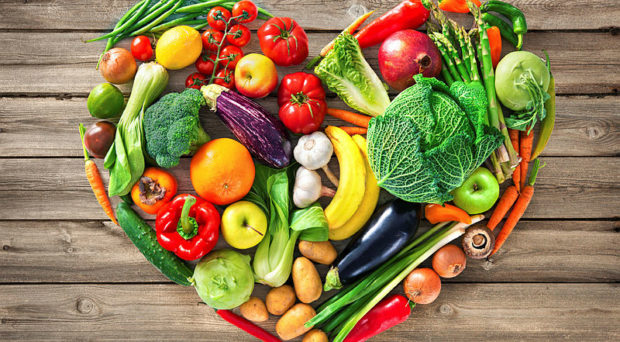
Focus on food
MaNaDr recommends these immunity boosters:
- Garlic: Allicin, a compound in garlic, is well-known for its ability to boost the immune system. The most benefit comes from eating one-half of a raw garlic clove daily. If you can’t stomach raw garlic, the next best thing is to roast it.
- Prebiotics: Robust gut bacteria protect us against infection. Keep those bacteria healthy with prebiotics that contains fiber, specifically inulin fiber. Excellent sources of prebiotics are Jerusalem artichokes, green bananas or plantains, Jicama root, and asparagus.
- Vitamin C-rich foods: Vitamin C is known to boost immunity. One study found that older adults who ate kiwi every day for a month had a significant decrease in the severity and duration of upper respiratory infection symptoms. “People often reach for orange juice to get vitamin C, but juice has a lot of sugar,” says Dr. Darling. “It’s better to get vitamin C from oranges, broccoli, kiwi, or cantaloupe.”
- Antioxidants: Stress can lead to lowered immunity and make you more prone to illness. Colorful fruits and vegetables including berries, carrots, and spinach have antioxidants that protect you against oxidative stress, which translates to a stronger immune system.

Keep a positive mindset
Relieving stress and anxiety is key to immune health.
Long-term stress promotes inflammation, as well as imbalances in immune cell function.
In particular, prolonged psychological stress can suppress the immune response in children.
Activities that may help you manage your stress include meditation, exercise, journaling, yoga, and other mindfulness practices. You may also benefit from seeing a licensed counselor or therapist, whether virtually or in person.
A positive mindset is vital for health and well-being. Research shows that positive thoughts reduce stress and inflammation and increase resilience to infection — while negative emotions can make you more susceptible to the common cold and flu.
Supplement wisely
It’s easy to turn to supplements if you hear claims about their ability to treat or prevent COVID-19.
Some studies indicate that the following supplements may strengthen your body’s general immune response:
- Vitamin C. According to a review in over 11,000 people, taking 1,000–2,000 mg of vitamin C per day reduced the duration of colds by 8% in adults and 14% in children. Yet, supplementing did not prevent the cold to begin with
- Vitamin D. Vitamin D deficiency may increase your chances of getting sick, so supplementing may counteract this effect. Nonetheless, taking vitamin D when you already have adequate levels doesn’t seem to provide extra benefits
- Zinc. In a review in 575 people with the common cold, supplementing with more than 75 mg of zinc per day reduced the duration of the cold by 33%
- Elderberry. One small review found that elderberry could reduce the symptoms of viral upper respiratory infections, but more research is needed
- Echinacea. A study in over 700 people found that those who took echinacea recovered from colds slightly more quickly than those who received a placebo or no treatment, but the difference was insignificant
- Garlic. A high-quality, 12-week study in 146 people found that supplementing with garlic reduced the incidence of the common cold by about 30%. However, more research is needed
About us

Download ManaDr for patient at:
————
Reference: Health Havard, Healthline
————-
Related Articles:
Online Appointment Booking For Your Clinic Visit
Get A Medical Certificate Online
Antigen Rapid Test (ART) Services for COVID-19
Pre-Departure COVID-19 PCR Swab Test At Home In Singapore