Leukemia: What It Is, Symptoms & Treatment - Why Unexplained Fatigue Could Be a Critical Warning! - MaNaDr - Manadr
Leukemia: What It Is, Symptoms & Treatment – Why Unexplained Fatigue Could Be a Critical Warning!
MaNaDr2021-09-26
Leukemia is a type of cancer that begins in the body’s blood-forming tissues, including the bone marrow and lymphatic system. It is characterized by the rapid and uncontrolled production of abnormal white blood cells, which then crowd out healthy blood cells. Often, the leukemia symptoms can be subtle and non-specific, mimicking common illnesses, making early detection challenging. However, understanding these subtle signs of leukemia can be life-saving.
1. What Exactly Is Leukemia?
1.1. Defining Leukemia
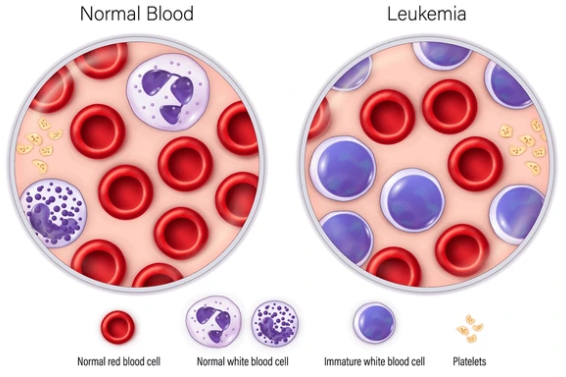
Leukemia is a cancer of the body’s blood-forming tissues, including the bone marrow, lymphatic system, and sometimes other organs. It is fundamentally a blood cancer, often referred to as “leukemia cancer of the blood” or “white blood cell cancer.” This condition is characterized by the uncontrolled production of abnormal white blood cells (leukocytes). These abnormal cells, called leukemic cells, do not function correctly and crowd out the healthy blood cells in the bone marrow.
Essentially, “what is leukemia cancer” means that the normal process of blood cell development is disrupted, leading to a surplus of dysfunctional white blood cells that cannot fight infection effectively, and a deficiency of healthy red blood cells (leading to anemia) and platelets (affecting clotting). The leukemia meaning is rooted in the
1.2. The Role of Blood Cells in Leukemia
To understand what is leukemia, it helps to know the role of normal blood cells. Blood is composed of:
Red Blood Cells: Carry oxygen throughout the body.
White Blood Cells: Fight infection. In leukemia, the cancerous transformation primarily involves these cells.
Platelets: Help blood clot.
In individuals with leukemia, the abnormal leukemic cells proliferate uncontrollably in the bone marrow. This rapid production of dysfunctional cells crowds out the healthy cells, leading to a deficiency of functional white blood cells, red blood cells, and platelets. This impairment of healthy blood cell production leads to many of the leukemia symptoms.
1.3. How Common is Leukemia? (Prevalence & Impact)
Leukemia is a significant cancer type with varying prevalence across different age groups and populations.
Incidence: According to the National Cancer Institute (NCI), leukemia accounts for about 3.3% of all new cancer cases in the United States, with approximately 66,000 new cases diagnosed annually (National Cancer Institute). Globally, the incidence varies, but it is one of the more common cancers.
Age of Onset: While often associated with childhood, leukemia is actually more common in adults than in children. About 90% of leukemia diagnoses occur in adults (Leukemia & Lymphoma Society – LLS). The risk generally increases with age, making adult leukemia a significant concern.
Impact: The impact of leukemia is profound, as it directly affects the body’s vital blood and immune systems. If left untreated, it can lead to severe complications, including life-threatening infections, bleeding, and organ damage. Early diagnosis is crucial for better outcomes.
2. What Are the Symptoms and Signs of Leukemia?
Recognizing the leukemia symptoms can be challenging because they are often vague and can mimic those of common illnesses like the flu. This makes early detection difficult, leading to many individuals asking, “how to know if you have leukemia?”. Understanding these signs of leukemia is crucial, as early diagnosis significantly improves treatment outcomes.
2.1. The Challenge of Recognition: Often Subtle Signs
For many individuals, the early signs of leukemia are non-specific and do not immediately suggest cancer. This silent onset means that leukemia symptoms in adults and children can easily be overlooked or misattributed to less serious conditions. Consequently, a diagnosis may be delayed until the disease has progressed. This is why “why unexplained fatigue could be a critical warning” is emphasized in the title, as it’s a common, often dismissed, symptom.
2.2. Common Symptoms of Leukemia
The symptoms of leukemia arise from the bone marrow’s inability to produce enough healthy blood cells. The abnormal leukemic cells crowd out healthy ones, leading to deficiencies in red blood cells, functional white blood cells, and platelets.
Persistent Fatigue and Weakness: This is one of the most common leukemia symptoms for adults. It’s often profound and doesn’t improve with rest, due to anemia (low red blood cells).
Fever or Chills: Recurring fevers, often low-grade, not associated with a clear infection.
Frequent or Severe Infections: Despite an abnormally high white blood cell count , these cells are abnormal and cannot effectively fight off bacteria, viruses, or fungi, leading to recurrent infections.
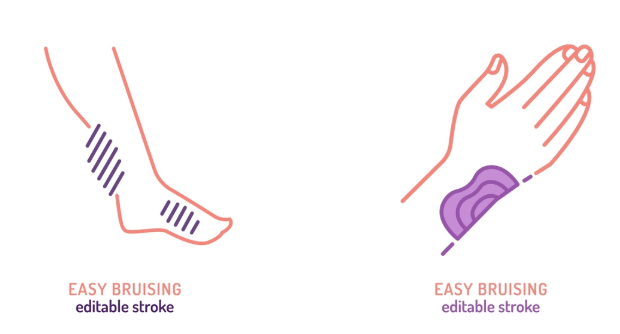
Easy Bruising or Bleeding: Due to a low platelet count. This can manifest as:
Petechiae (tiny red spots under the skin).
Frequent nosebleeds.
Bleeding gums.
Excessive bruising from minor bumps.
Swollen Lymph Nodes: Painless swelling of lymph nodes in the neck, armpits, or groin.
Swollen Spleen or Liver: This can cause a feeling of fullness or discomfort under the ribs on the left side (spleen) or right side (liver), and can lead to a loss of appetite.
Bone or Joint Pain: Due to the accumulation of abnormal cells in the bone marrow or near joints.
Unexplained Weight Loss: Significant, unintentional loss of body weight.
Night Sweats: Excessive sweating during sleep.
2.3. Specific Symptoms in Adults/Women
While the general symptoms of leukemia in adults are similar across genders, women might sometimes attribute early symptoms like fatigue or heavy menstrual bleeding (due to low platelets) to other common conditions, potentially delaying a leukemia diagnosis. Awareness of these subtle signs of leukemia in women is crucial.
2.4. Key Indicators in Blood Work
Often, the first clues to leukemia come from routine leukemia blood test results.
Abnormal Blood Cell Counts: A Complete Blood Count (CBC), a routine blood test, can reveal:
Abnormally high or low white blood cell count.
Low red blood cell count (anemia).
Low platelet count (thrombocytopenia).
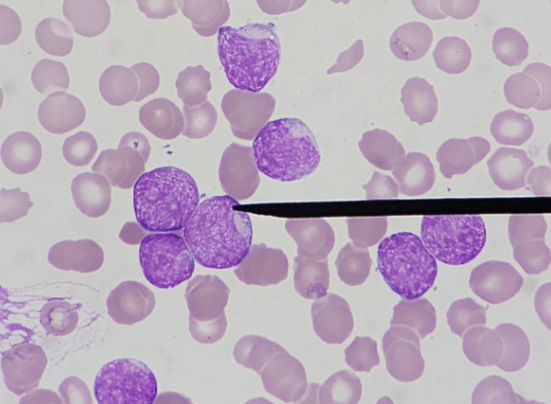
Presence of Immature Cells: The blood smear may show the presence of immature white blood cells (blasts) that are not normally found in peripheral blood.
These leukemia blood test results are critical for flagging potential leukemia.
Q: What are the early signs of leukemia that might be missed?
Expert Answer: The most commonly missed early signs are persistent and unexplained fatigue, frequent or unusual infections, and subtle bruising or bleeding that seems excessive for minor bumps. Unlike typical flu, these symptoms tend to linger or recur without a clear cause, which should prompt further investigation, especially a comprehensive leukemia blood test. (Leukemia & Lymphoma Society).
If you’re unsure about any persistent or unexplained symptoms, particularly fatigue, easy bruising, or recurrent infections, seeking an initial assessment is vital. MaNaDr offers a discreet way to consult with online doctors 24/7 to discuss your concerns and get guidance.
3. What Causes Leukemia?
Understanding what causes leukemia is complex, as it involves a combination of genetic and environmental factors. For most people, the exact leukemia causes remain unknown. Leukemia is not contagious and cannot be “caught” from another person.
3.1. Complex Causes: No Single Factor
The underlying cause of leukemia disease is believed to be an accumulation of acquired (not inherited) mutations in the DNA of blood-forming cells in the bone marrow. These mutations cause the cells to grow and divide uncontrollably. It’s not a single mutation but usually several that collectively lead to the development of leukemia. For many cases, what triggers leukemia is a combination of predispositions and exposures over time.
3.2. Established Risk Factors
While most cases of leukemia occur without clear risk factors, certain exposures and conditions can increase the likelihood:
Genetic Syndromes: Individuals with certain inherited genetic syndromes have a higher risk of developing leukemia. Examples include Down syndrome, Fanconi anemia, Bloom syndrome, and Ataxia-telangiectasia.
Exposure to Radiation: High levels of radiation exposure, such as from atomic bomb survivors or extensive prior radiation therapy for other cancers, significantly increase the risk of leukemia.
Exposure to Certain Chemicals: Prolonged or high-level exposure to certain chemicals, particularly benzene (found in some industrial products, gasoline, and tobacco smoke), is a known cause of leukemia.
Prior Chemotherapy: Previous cancer treatment with certain types of chemotherapy drugs (alkylating agents and topoisomerase II inhibitors) can increase the risk of developing a secondary leukemia years later.
Smoking: Smoking is a recognized risk factor, primarily increasing the risk of acute myeloid leukemia (AML).
Family History: While most cases are not inherited, having a close relative (parent, sibling) with leukemia may slightly increase your risk, suggesting some shared genetic or environmental factors. This addresses “is leukemia hereditary” in a limited way.
4. How Is Leukemia Diagnosed?
Receiving a leukemia diagnosis involves a series of tests to confirm the presence of cancer, determine its specific type, and assess its extent. Early diagnosis is critical for prompt leukemia treatment. For those wondering “how to know if you have leukemia” or “how to be tested for leukemia,” the process typically begins with blood work.
4.1. Initial Assessment and Symptom Evaluation
The diagnostic process usually starts with a thorough evaluation by a healthcare provider:
Medical History: The doctor will ask detailed questions about your leukemia symptoms, their duration, any family history of cancer, and potential risk factors.
Physical Exam: A physical examination may reveal signs such as swollen lymph nodes (in the neck, armpit, groin), an enlarged spleen or liver, unusual bruising, or paleness.
4.2. Diagnostic Tests
Several key tests are used to confirm leukemia and classify it:
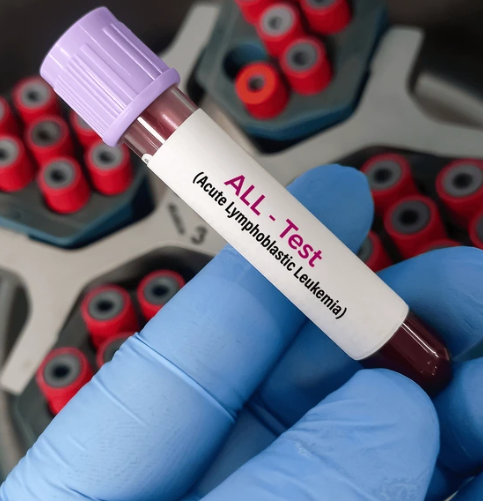
Complete Blood Count (CBC): This is often the first leukemia blood test performed. It measures the number of red blood cells, white blood cells, and platelets. Abnormal leukemia blood test results that suggest leukemia include:
Abnormally high or low white blood cell count
Low red blood cell count (anemia).
Low platelet count (thrombocytopenia).
The presence of immature white blood cells (blasts) in the blood.
Bone Marrow Biopsy and Aspiration: This is the definitive test for leukemia diagnosis. A small sample of bone marrow (biopsy) and liquid bone marrow (aspiration) are taken, usually from the hip bone. These samples are then examined under a microscope to identify abnormal leukemic cells and determine the type of leukemia.
Flow Cytometry and Cytogenetics: These specialized tests are performed on blood and bone marrow samples. Flow cytometry helps classify the exact type of leukemia by identifying specific markers on the surface of the cancer cells. Cytogenetics and molecular tests look for specific chromosome changes or gene mutations within the leukemic cells, which are crucial for classification and guiding leukemia treatment.
Imaging Tests: X-rays, CT scans, MRI scans, or PET scans may be used to check for the spread of leukemia to other organs (like the spleen, liver, or lymph nodes) or to assess for complications.
Lumbar Puncture (Spinal Tap): A small sample of cerebrospinal fluid (CSF) is taken from the spinal canal to check if leukemia cells have spread to the brain and spinal cord.
4.3. Classifying Leukemia Types (Importance for Treatment)
The results from these diagnostic tests are critical for classifying leukemia into its specific type, which directly impacts the leukemia treatment plan and prognosis. The main types are:
Acute Leukemias: Progress rapidly and require immediate treatment (e.g., Acute Lymphocytic Leukemia – ALL, Acute Myeloid Leukemia – AML).
Expert Answer: The initial step for how to be tested for leukemia is typically a Complete Blood Count (CBC) blood test. If this shows abnormal counts, a bone marrow biopsy and aspiration is usually performed. This is the definitive test, providing samples of marrow for detailed examination to identify and classify leukemia cells. (National Cancer Institute).
Q: Can a regular blood test detect leukemia?
Expert Answer: A regular leukemia blood test (specifically a CBC) can suggestleukemia by revealing abnormal numbers of white blood cells, red blood cells, or platelets. However, a CBC alone cannot definitively diagnose leukemia; it flags the possibility. A definitive leukemia diagnosis requires a bone marrow biopsy and other specialized tests to confirm the presence and type of cancer cells. (Leukemia & Lymphoma Society).
If you’re concerned about unexplained symptoms or abnormal blood test results, MaNaDr offers a convenient way to consult with online doctors 24/7. They can help discuss your situation and guide you toward appropriate diagnostic steps with a specialist.
5. How Is Leukemia Treated, and Is It Curable?
Receiving a leukemia diagnosis is a life-altering event, but significant advancements in leukemia treatment have vastly improved outcomes and increased survival rates. The question, “is leukemia curable?” depends largely on the type of leukemia and individual factors.
5.1. Goals of Treatment
The primary goals of leukemia treatment and management include:
Achieve Remission: To eliminate or significantly reduce cancer cells in the bone marrow and blood, allowing normal blood cell production to resume.
Prevent Relapse: To keep the cancer from returning.
Improve Quality of Life: To manage side effects and allow individuals to live as fully as possible.
5.2. Treatment Modalities
How to treat leukemia often involves a combination of therapies, tailored to the specific type of leukemia, its stage, and the patient’s age and overall health.
Chemotherapy: This is the most common leukemia treatment. It uses powerful drugs, administered orally or intravenously, to kill fast-growing cancer cells throughout the body. Chemotherapy regimens vary widely depending on the leukemia type.
Radiation Therapy: Uses high-energy radiation to kill cancer cells. It may be used to:
Target specific areas where leukemia cells have collected (e.g., spleen, brain).
Prepare the body for a stem cell transplant.
Targeted Therapy: These are newer leukemia treatments that use drugs designed to attack specific vulnerabilities in cancer cells while minimizing harm to healthy cells. They often target gene mutations unique to certain leukemia types.
Immunotherapy: This approach boosts the body’s own immune system to recognize and destroy cancer cells. Examples include CAR (Chimeric Antigen Receptor) T-cell therapy, a revolutionary treatment for certain types of leukemia.
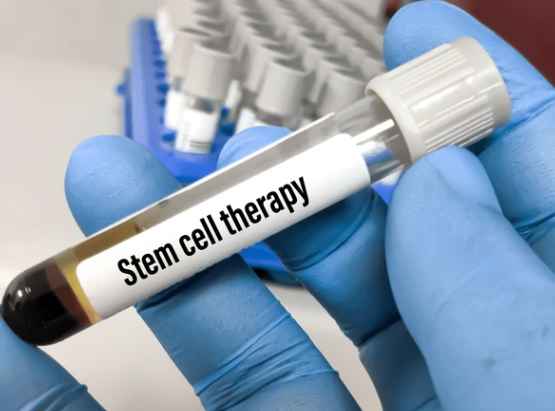
Stem Cell Transplant (Bone Marrow Transplant): This intensive leukemia treatment involves high-dose chemotherapy or radiation to destroy existing diseased bone marrow, followed by an infusion of healthy blood-forming stem cells (from a donor or the patient’s own previously collected cells). This is a complex procedure often used for high-risk or relapsed leukemia.
Supportive Care: Throughout leukemia treatment, supportive care is vital to manage side effects, prevent infections, and provide blood transfusions as needed.
5.3. Is Leukemia Curable?
The question of “is leukemia curable?” or “is there a cure for leukemia?” has a varied answer depending on the specific type of leukemia, the patient’s age, and how well they respond to leukemia treatment.
Highly Curable Types: Many types of leukemia, particularly acute leukemias in children (e.g., Acute Lymphocytic Leukemia – ALL), are highly curable with modern leukemia treatments.
Manageable Chronic Forms: Some chronic forms of leukemia (e.g., Chronic Myeloid Leukemia – CML) may not be curable in all cases, but they can be effectively managed for many years with targeted therapies, allowing individuals to live long and full lives.
Improving Prognosis: Advances in leukemia treatment have significantly improved the prognosis and survival rates across nearly all types of leukemia, making it increasingly treatable. This addresses “is leukemia treatable” and “is leukemia cancer treatable.”
5.4. Recent Advances and Survival Rates
Recent decades have seen revolutionary advancements in leukemia treatment, leading to dramatically improved survival rates.
New targeted therapies and immunotherapies have transformed the outlook for many leukemia patients, offering effective options for types that were previously difficult to treat.
Overall 5-year leukemia survival rates have significantly improved. For example, for ALL, the 5-year survival rate is now around 71.3% (with much higher rates in children), and for AML, it’s about 31.7% (National Cancer Institute). These numbers continue to climb as research progresses.
Expert Answer: While chemotherapy is a very common and often primary leukemia treatment, it’s not always the only option. For some chronic leukemia types (like CML), targeted therapies might be the first-line treatment, effectively managing the disease for many years without traditional chemotherapy. However, for most acute leukemias, intensive chemotherapy remains a cornerstone of treatment. (Leukemia & Lymphoma Society).
Q: What is the survival rate for leukemia?
Expert Answer: The survival rate for leukemia varies widely depending on the specific type of leukemia, the patient’s age, and other individual factors. For instance, the 5-year survival rate for Acute Lymphocytic Leukemia (ALL) is very high in children (over 90%), but generally lower in adults. For Acute Myeloid Leukemia (AML), it’s generally lower than ALL. Chronic leukemias often have longer survival rates than acute forms. Overall, new leukemia treatments are constantly improving the outlook across all types. (American Cancer Society).
If you are concerned about your leukemia treatment options, have questions about your prognosis, or need to discuss the potential benefits and risks of therapies, MaNaDr offers a discreet and convenient platform. You can connect with online doctors 24/7 for expert consultations and personalized guidance.
Conclusion
Leukemia is a diverse group of cancers affecting the blood and bone marrow, often beginning with subtle and non-specific leukemia symptoms like unexplained fatigue. Understanding what is leukemia, recognizing these early signs of leukemia, and comprehending its complex causes are crucial steps towards early detection and effective management. While leukemia is a serious diagnosis, significant advancements in leukemia treatment, including chemotherapy, targeted therapies, immunotherapy, and stem cell transplants, have dramatically improved prognosis and survival rates for many individuals.
Early diagnosis is paramount for improving outcomes. Don’t dismiss persistent, unexplained symptoms. If you have concerns about leukemia, or need guidance on leukemia blood test results, seek prompt medical evaluation.
Disclaimer: This article is for informational purposes only and does not constitute medical advice. Always consult with a qualified healthcare professional for diagnosis and treatment of any medical condition.
References
American Cancer Society (ACS). (n.d.). Key Statistics for Leukemia. Retrieved fromhttps://www.cancer.org/cancer/types/chronic-lymphocytic-leukemia/about/key-statistics.html