


Mpox – formerly known as monkeypox – is a viral illness that’s caused global concern through two separate WHO public health emergencies since 2022.
Human mpox was first discovered in a 9-month-old boy in the Democratic Republic of the Congo in 1970. Up to now, mpox has impacted nearly 17,000 people in 74 countries. There are two ways of mpox transmission: animal-to-human and human-to-human. Therefore, to protect yourself from mpox, you need to avoid exposure to infected environments.
Mpox – formerly known as monkeypox – is caused by the mpox virus (MPXV). The mpox virus belongs to the same viral family as the variola virus, which causes smallpox. The symptoms of mpox are similar to those of smallpox, although they are milder, and mpox seldom leads to fatalities. Many people confuse this disease with chickenpox, but chickenpox is not related to mpox.
There are two main types, or clades, of the mpox virus:
Both clades continue to circulate in various countries, sometimes linked to international travel.
Mpox is caused by a virus similar to that which causes smallpox, although the sickness is typically milder. However, rodents, not monkeys, are the principal viral carriers. People who have never been immunized against smallpox may be more susceptible to the disease. Mpox can be transmitted in two ways.
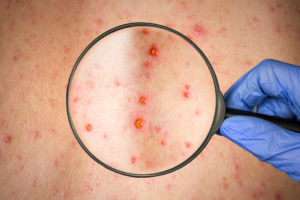
Animal-to-human transmission, also known as zoonotic transmission, can occur by direct contact with infected animals’ blood, body fluids, or cutaneous or mucosal sores. Evidence of monkeypox virus infection has been detected in several animals in Africa, including rope squirrels, tree squirrels, Gambian pouched rats, dormice, various monkey species, and others. Mpox’s natural reservoir has yet to be established, however, rodents are the most plausible. Consuming undercooked meat and other animal products from infected animals may pose a danger. People who live in or near wooded regions may be exposed to infected animals in an indirect or low-level manner.
Mpox is transmitted to humans by contact with an affected person’s rash or body fluids, particularly breathing droplets. Close personal contact with respiratory secretions, skin sores of an infected person, or recently contaminated objects can make a person get mpox. Droplet respiratory particle transmission often necessitates lengthy face-to-face contact, putting health workers, household members, and other close contacts of active patients at increased risk. However, in recent years, the longest reported chain of transmission in a community has increased from 6 to 9 successive person-to-person infections. This might be attributed to a decline in immunity across all cultures as a result of the termination of smallpox immunization. Transmission can also occur through the placenta from mother to fetus, which leads to congenital mpox, or through intimate contact during and after delivery. Besides, the sexual pathway can be a mpox transmission.
Yes, mpox is contagious. A person can potentially transmit the virus for a short period before visible symptoms appear, though research on presymptomatic transmission is still evolving. Once symptoms begin, a person with mpox is generally considered contagious from symptom onset until the rash has fully healed – meaning all scabs have fallen off and a fresh layer of skin has formed underneath, which typically takes two to four weeks.
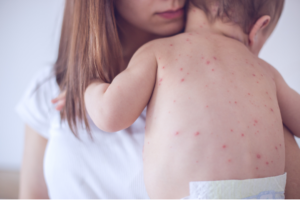
Mpox symptoms are similar to smallpox but less severe. A rash occurs as pimples or blisters on the face, within the mouth, and on other regions of the body such as the hands, feet, chest, genitals, or anus. Other mpox symptoms may include fever, headache, backache, and muscle pain.

Anyone can contract mpox through the transmission routes described above – it isn’t limited to any specific group. That said, current global outbreak data shows mpox has disproportionately affected men who have sex with men in many countries outside historically affected regions, largely reflecting patterns of close contact transmission rather than any inherent risk tied to sexual orientation itself. Certain groups are at higher risk of more severe illness if infected, including infants under one year old, pregnant individuals, people who are immunocompromised, and those with a history of eczema or atopic dermatitis.
The majority of mpox patients are treated to alleviate their symptoms. If you have mpox, isolate yourself at home in a room away from family and pets until the rash and scabs recover.
There is no recognized therapy for mpox. Some antiviral medications used to treat smallpox, such as tecovirimat (TPOXX) or brincidofovir, may be used to cure mpox (Tembexa). Care providers may deliver vaccinia immune globulin, which contains antibodies from persons who have received the smallpox vaccination, to those who are unlikely to respond to the vaccine.
Take the following precautions to avoid infection with or transmission of the mpox virus:
Some smallpox vaccinations, such as the ACAM2000 and Jynneos, can protect against monkeypox. Because similar viruses cause smallpox and monkeypox, these vaccinations can be used to prevent monkeypox.
People who have been exposed to mpox such as lab employees may be advised by their doctors to get vaccinated. However, mass vaccination of the whole community against mpox is not recommended by The Singapore Ministry of Health (MOH) because of the disease’s self-limiting nature.
Mpox is no longer classified by WHO as a Public Health Emergency of International Concern – the most recent PHEIC (declared in August 2024 over the clade I outbreak in the Democratic Republic of the Congo and neighbouring countries) was lifted in September 2025 following sustained declines in cases. That said, this doesn’t mean the virus has disappeared: WHO’s 2026 situation reports show mpox cases continuing to be reported across dozens of countries each month, with the majority in the WHO African Region, and both clades still circulating globally. WHO continues to issue standing recommendations for surveillance, vaccination access, and outbreak response, and encourages countries to integrate mpox preparedness into routine health services rather than emergency-only measures.
It is possible. According to statistics from cases in several African nations, the fatality rate for monkeypox historically ranged from 0% to 11%, however, the case fatality ratio has been recently around 3–6%. The death rate from monkeypox in the latest epidemic has been substantially lower.
According to CDC, those who have had intimate contact with monkeypox carriers should have a vaccination. Among those who may be eligible for immunization are:
If you believe you have been exposed to monkeypox or are at high risk of exposure, see your doctor.
It’s generally recommended, particularly if you have respiratory symptoms like coughing or a sore throat, as an added precaution – though respiratory transmission is considered less likely than skin-to-skin contact.

Vaccination is generally recommended for people who’ve had close contact with a confirmed case, healthcare and laboratory workers at risk of exposure, and people travelling to areas with active mpox transmission. Speak with a doctor if you think you may be at higher risk.
Yes, even using a condom can also cause monkeypox transmission through prolonged intimate touch or direct skin contact. When you have physical contact with your partner, do not forget to take a notice of monkeypox symptoms.
Infected people might be contagious as early as two days before they develop a skin rash or proctitis. The virus may be present in sperm even before symptoms begin to appear. You will be infectious until all of the scabs from the blisters have gone off and any proctitis symptoms have completely disappeared. As a precaution, it is advised to continue wearing condoms for another 12 weeks.
Mpox (mpox) spreads primarily through close, direct contact – especially skin-to-skin contact and sexual activity – with animal-to-human transmission as a secondary route in certain regions. While the disease is no longer classified as a global public health emergency, it continues to circulate, and understanding how it spreads remains genuinely useful. If you develop a rash consistent with mpox, or believe you may have been exposed, it’s worth getting assessed by a doctor promptly, both to guide your own care and to reduce the risk of passing it on to others. Consult a doctor through the MaNaDr app to discuss your symptoms and next steps.