

A raw vegan diet combines two restrictive approaches – eating only plant-based foods, and eating them uncooked – and it’s often promoted online as a fast way to lose weight. It can lead to weight loss, largely because it’s low in calorie density and cuts out processed and fried foods. But the evidence behind it is thinner than the trend suggests, and strict long-term versions carry real risks, including unhealthy weight loss and nutrient deficiencies.
This guide explains what a raw vegan diet actually involves, whether it works for weight loss, its benefits and side effects, and what to consider before trying it.

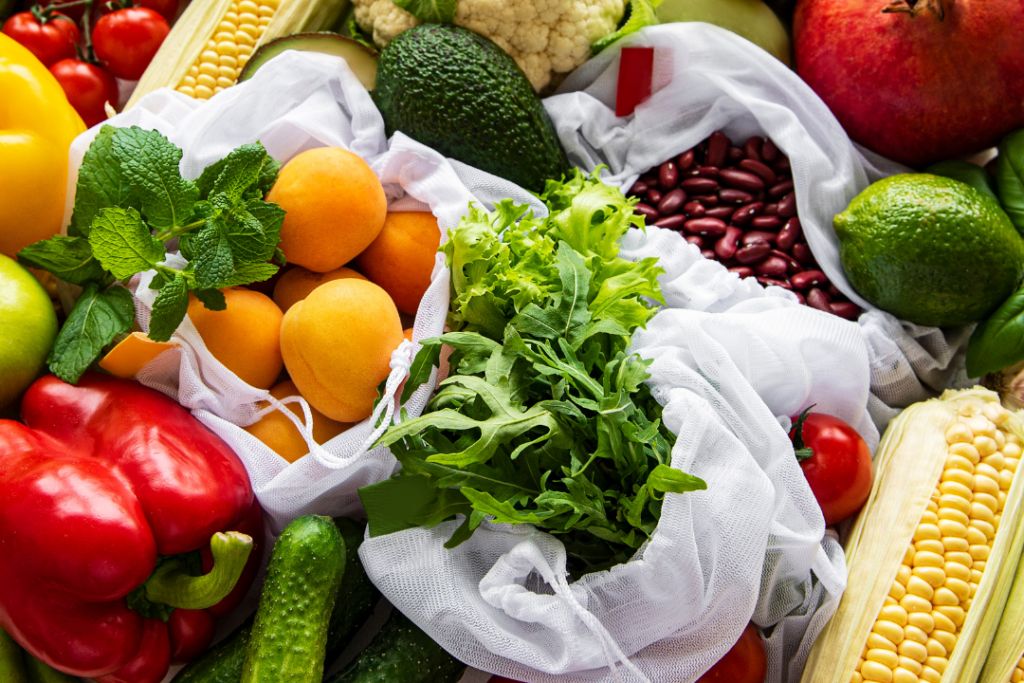
A raw vegan diet is a 100% plant-based way of eating in which most or all food is left uncooked and unprocessed, typically not heated above around 40–48°C. The idea is that heating food above this range destroys enzymes and nutrients that raw food diet proponents believe are important for health, though this claim isn’t strongly supported by research – cooking actually improves the digestibility and nutrient availability of some foods.
What raw vegans eat:
What’s excluded: all animal products (meat, dairy, eggs, honey), cooked or baked foods, refined sugar, and most processed foods.
Not all raw vegans eat 100% raw. Many follow a “high raw” approach, where roughly 70–90% of food is uncooked and the rest is lightly cooked plant food, which can make the diet easier to sustain and nutritionally balanced.
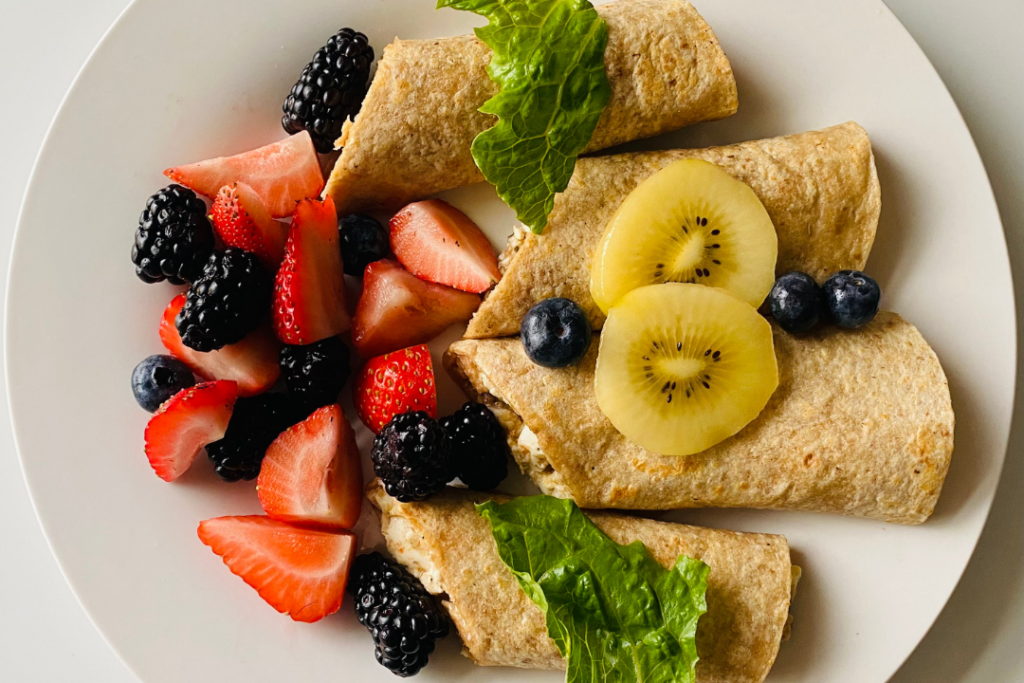
A raw vegan diet can lead to weight loss, but understanding why matters more than the number on the scale.
The main drivers are calorie density and food elimination rather than anything unique to “rawness” itself. Fruits and vegetables are naturally high in fibre and water, which makes them filling for relatively few calories, so you can eat larger volumes of food while still running a calorie deficit. The diet also automatically removes fried foods, baked goods, and processed snacks – common sources of excess calories in a typical diet.
A long-running observational study of people who had followed raw food diets for an average of nearly four years found substantial average weight loss (around 9.9 kg in men and 12 kg in women from their starting weight), but it also found that a large proportion of very strict raw food dieters ended up underweight, and that menstrual irregularities were more common among women on the strictest versions of the diet (more than 90% raw food). This points to an important distinction: the diet can produce significant weight loss, but that isn’t the same as healthy, sustainable weight loss.
More recent research comparing long-term raw food dieters with vegans and omnivores found that the raw food group had the lowest average body weight of the three – consistent with the idea that the diet is effective for reducing calorie intake, though this kind of comparison can’t rule out other lifestyle differences between the groups.
Overall, there’s limited high-quality clinical research (such as randomised controlled trials) specifically testing a raw vegan diet for weight loss. Much of the existing evidence comes from smaller or observational studies, so it’s reasonable to expect weight loss on this diet, but it shouldn’t be assumed to be a safe or evidence-backed long-term weight-management strategy without individual guidance.
Beyond weight loss, a raw vegan diet is often associated with:
It’s worth noting that many of these benefits come from eating more fruits and vegetables in general, rather than something unique to eating them raw – a well-planned vegan or vegetarian diet that includes some cooked food can offer similar advantages with fewer of the risks discussed below.
This depends heavily on how strictly it’s followed, for how long, and how well it’s planned.
In the short term, a raw vegan diet can be a way to increase fruit and vegetable intake and reduce processed food consumption. But the stricter and longer the diet is followed, the higher the risk of nutrient gaps and unintentional, excessive weight loss. Because the diet excludes entire food groups and cooking methods, it takes careful planning – and often supplementation – to meet nutritional needs long-term, and it’s generally not something health professionals recommend as a permanent way of eating without medical or dietetic supervision.
A raw vegan diet is unlikely to be appropriate for pregnant or breastfeeding women, children, older adults, people with a history of disordered eating, or anyone managing a chronic health condition, without close professional guidance.

The main risks of a raw vegan diet relate to its restrictiveness:
If you notice symptoms such as persistent fatigue, dizziness, hair thinning, or loss of your menstrual cycle while on a raw vegan diet, these are signs of a potential deficiency or excessive energy restriction – not, as some wellness sources suggest, a normal “detox” reaction – and are worth having checked.
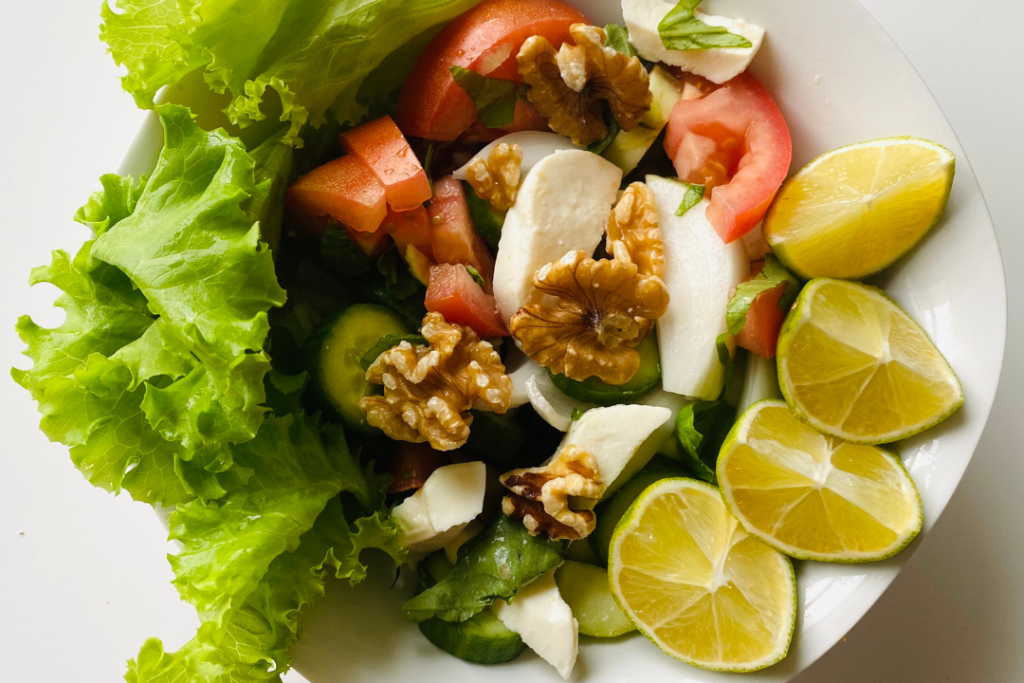
If you’re trying a raw vegan diet, planning meals carefully helps reduce (though not eliminate) some of the nutritional risks above. Here’s a sample day:
Breakfast
Snack
Lunch
Snack
Dinner
This plan is a starting point, not a complete nutritional solution. If you follow it for more than a few weeks, consider working with a registered dietitian to check whether you’re meeting your protein, B12, iron, calcium, and calorie needs – particularly if you have an active lifestyle or an existing health condition.
Consider speaking with a doctor or dietitian before starting a raw vegan diet if you:
A doctor or dietitian can help you weigh up whether a raw vegan diet – or a modified, less restrictive version of it – is appropriate for your health, and can check for nutrient deficiencies through blood tests if needed. You can consult a doctor through the MaNaDr App to discuss whether this diet is a safe fit for you before making major dietary changes.
A raw vegan diet means eating only plant-based foods – fruits, vegetables, nuts, seeds, and sprouted grains or legumes – that haven’t been heated above roughly 40–48°C, with no animal products and typically no cooked or processed foods.
You can eat fresh fruits and vegetables, raw nuts and seeds, sprouted grains and legumes, cold-pressed oils, raw nut milks, dehydrated fruits and vegetables, and some fermented foods. Cooked, baked, or heavily processed foods, along with all animal products, are excluded.
It can lead to weight loss due to its low calorie density and elimination of processed foods, but strict long-term versions carry a real risk of excessive weight loss, nutrient deficiencies, and menstrual irregularities in women. It’s best approached short-term and with professional guidance rather than as a permanent lifestyle.
The most common concerns are deficiencies in vitamin B12, iron, calcium, vitamin D, and omega-3 fatty acids, along with a risk of becoming underweight or experiencing menstrual irregularities if the diet is followed very strictly over a long period.
This varies widely by individual. Long-term observational data suggests significant average weight loss is possible, but the amount depends on how strictly the diet is followed, starting weight, and overall calorie intake. Rapid or excessive weight loss is a risk to watch for, not a goal to aim for.
It’s more challenging, since raw plant protein sources are more limited than cooked ones (such as cooked beans and legumes), and total protein and calorie intake tend to be lower on a strict raw diet. If muscle maintenance or growth is a goal, a less restrictive plant-based diet is usually easier to structure around adequate protein.
A raw vegan diet can lead to weight loss, mainly because it’s low in calories and cuts out processed food – but the stricter and longer it’s followed, the greater the risk of nutrient deficiencies, excessive weight loss, and menstrual changes. If you’re considering it, a short trial with careful meal planning is safer than committing to it long term without guidance. Consult a doctor through the MaNaDr App to get personalised advice on whether this diet – or a more balanced plant-based approach – fits your health goals.