Root Canal: What It Is, Symptoms, Treatment & How It Saves 15 Million Teeth Annually - Manadr
Root Canal: What It Is, Symptoms, Treatment & How It Saves 15 Million Teeth Annually
MaNaDr2022-06-22
Root canal treatment is one of the most common and effective dental procedures performed today, designed to save a tooth that has become infected or severely damaged. Despite its widespread success, it’s often surrounded by misconceptions about pain and complexity. This vital therapy plays a crucial role in preserving natural teeth, with the American Association of Endodontists (AAE) estimating it saves 15 million teeth annually.
1. What Exactly Is a Root Canal?
To grasp the importance of this dental procedure, it’s essential to understand its fundamental definition and the anatomy it addresses. Often, patients ask, “what is root canal?” or “root canal is for what?”.
1.1. Defining Root Canal Treatment
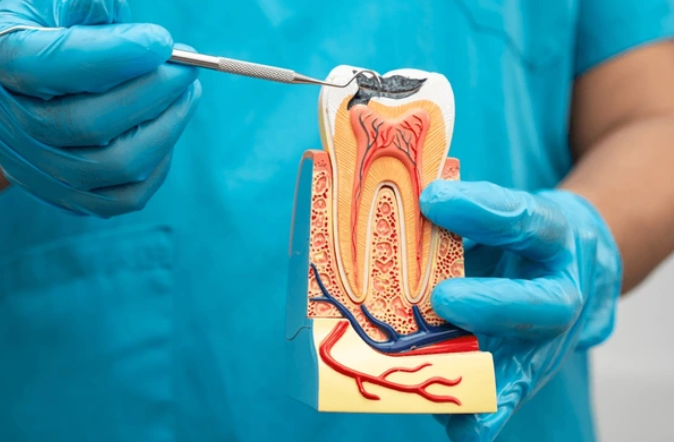
A root canal is a specialized dental procedure performed to remove infected or inflamed pulp from the inside of a tooth. The pulp is the soft tissue located within the tooth’s innermost chamber (the pulp chamber) and extends down into the root canals, which run through the roots of the tooth.
The primary purpose of a root canal treatment is to save a tooth that would otherwise need extraction. When the pulp becomes irreversibly damaged or infected, it can cause severe pain and lead to an abscess if left untreated. By performing dental root canal therapy, the dentist or endodontist can clean out the infection, disinfect the internal spaces, and then fill and seal the tooth, preserving its natural structure and function.
1.2. Anatomy of a Tooth (Where the Problem Occurs)
Understanding the basic anatomy of a tooth helps clarify why a root canal is needed:
Enamel: The hard, outer protective layer of the tooth.
Dentin: The layer beneath the enamel, less hard but still protective.
Pulp: The innermost part of the tooth, often referred to as the “nerve” of the tooth. The pulp contains nerves, blood vessels, and connective tissue. It extends from the crown (visible part) down to the tips of the roots. This vital tissue lives within the pulp chamber (in the crown) and narrow channels called root canals (within the roots). This is the area addressed by a tooth root canal process.
When the pulp becomes infected or damaged, it leads to the need for a root canal.
1.3. Why Root Canal Saves Teeth: The Annual Impact
The effectiveness of root canal therapy in preserving natural teeth is profound and widely documented. The American Association of Endodontists (AAE) estimates that over 15 million teeth are saved annually through root canal procedures in the United States alone (American Association of Endodontists – AAE).
This statistic highlights the procedure’s vital role in modern dentistry. Saving a natural tooth is almost always preferred over extraction and replacement options (like implants or bridges) because:
It maintains the natural chewing efficiency.
It preserves the natural appearance.
It prevents adjacent teeth from shifting.
It requires less ongoing maintenance than artificial replacements.
This makes a root canal a highly valuable root canal treatment option for long-term oral health.
2. How Do You Know If You Need a Root Canal?
2.1. Common Symptoms Signaling a Need
The most common root canal symptoms that indicate the need for this procedure stem from pulp inflammation or infection:
Severe Toothache Pain: This is often the primary indicator. The pain can be persistent, intense, and often worsens when chewing or applying pressure to the tooth. It can also be a throbbing pain.
Prolonged Sensitivity: The tooth may experience prolonged sensitivity to hot or cold temperatures. Unlike normal sensitivity that quickly fades, this pain lingers even after the hot or cold stimulus is removed.
Swelling or Tenderness in Gums: The gums near the affected tooth may become swollen, red, or tender to the touch.
Pimple-Like Bump on Gums: A recurring or persistent “pimple” or lesion (called a sinus tract or fistula) may appear on the gums near the infected tooth. This indicates that infection is draining from the tooth, often a sign of an abscess.
Tooth Discoloration: The affected tooth may darken or become discolored, appearing grayish or black, due to internal pulp damage or death.
Tenderness to Touch or Pressure: The tooth may be extremely sensitive or painful when touched, tapped, or when biting down.
If you are experiencing any of these symptoms of needing a root canal, particularly a severe tooth hurts after root canal (before the procedure) or a persistent root canal tooth pain, it’s vital to seek dental attention quickly.
2.2. When These Symptoms Appear and Progress
The symptoms of root canal issues can appear suddenly or gradually worsen over time. They often indicate that the pulp within the tooth has become irreversibly inflamed or infected. If left untreated, the infection can spread, leading to:
An abscess (a pocket of pus) forming at the root tip or in the jawbone.
Bone loss around the root.
Swelling that can spread to other areas of the face or neck.
Systemic infection in severe cases.
If you’re experiencing persistent tooth pain, unexplained sensitivity, or any concerning changes in your gums, it’s important to seek dental advice promptly. MaNaDr offers a discreet way to consult with online doctors 24/7 to discuss your concerns and gain initial guidance from home.
3. What Causes the Need for a Root Canal?
Understanding what causes root canal issues involves recognizing factors that can lead to damage or infection of the tooth’s pulp. When the protective outer layers of the tooth (enamel and dentin) are compromised, the vulnerable pulp becomes susceptible.
3.1. Primary Causes of Pulp Damage
The most common reasons for needing a root canal include:
Deep Tooth Decay: This is the most frequent cause. Untreated cavities (dental caries) can progress deeply through the enamel and dentin layers, eventually reaching the pulp. Once bacteria penetrate the pulp chamber, they cause infection and inflammation.
Repeated Dental Procedures on the Same Tooth: Multiple fillings, crowns, or other restorative treatments on the same tooth over time can sometimes irritate or traumatize the pulp, making it vulnerable to infection.
Cracked or Chipped Tooth: A significant crack or chip in the tooth, often caused by biting on something hard, trauma, or grinding, can create an opening for bacteria to enter the pulp, even if the crack is not immediately visible.
Trauma to the Face or Mouth: A severe blow to the tooth or face, even if the tooth doesn’t appear visibly broken, can damage the pulp by disrupting its blood supply. This internal damage might not show immediate root canal symptoms but can lead to pulp death and infection later.
These issues create pathways for bacteria to infect the delicate pulp, necessitating a dental root canal procedure.
3.2. How Pulp Damage Leads to Infection
Once the tooth’s pulp is compromised or exposed, bacteria can easily invade.
Bacterial Invasion: Bacteria from the mouth enter the compromised pulp chamber.
Inflammation: The bacteria cause inflammation within the confined space of the pulp and root canals.
Pressure and Pain: As inflammation increases, pressure builds within the tooth, leading to pain.
Pulp Death: Without intervention, the blood supply to the pulp is cut off, and the pulp tissue eventually dies.
Spread of Infection: The infection can then spread beyond the tooth’s root tip into the surrounding bone and create an abscess, which is a pocket of pus. This is the stage often associated with persistent root canal pain.
4. What Happens During a Root Canal Procedure?
The root canal procedure is a precise and common dental treatment performed to alleviate pain and save a damaged tooth. Understanding “what happens during a root canal” can help ease anxieties. The process involves several distinct steps to clean, disinfect, and seal the inside of your tooth.
4.1. The Root Canal Process: Steps Involved
A typical root canal treatment follows a well-defined sequence:
1. Diagnosis and Planning: The dentist or endodontist will perform a thorough examination, take X-rays, and test the tooth’s vitality to confirm the need for a root canal and plan the procedure.
2. Anesthesia: Local anesthesia is administered to completely numb the affected tooth and surrounding gum area. This ensures you feel no pain during the procedure itself.
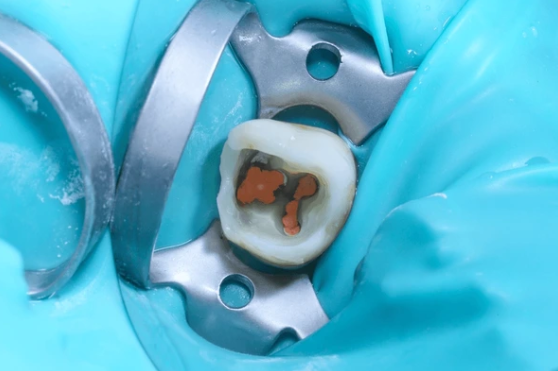
3. Access Opening: A small opening is carefully drilled through the crown of the tooth (on the chewing surface of molars or the back surface of front teeth) to gain access to the pulp chamber and root canals.
4. Pulp Removal: Infected or inflamed pulp tissue is carefully removed from the pulp chamber and the intricate root canals using specialized dental instruments. This eliminates the source of infection and pain.
5. Cleaning and Shaping: The root canals are meticulously cleaned, disinfected, and shaped using tiny, flexible instruments (files) to ensure all bacteria and debris are removed and to prepare the canals for filling. Disinfecting solutions are flushed through the canals.
6. Filling and Sealing: Once thoroughly cleaned and dried, the root canals are filled with a biocompatible, rubber-like material called gutta-percha. This material is typically heated and compacted to tightly seal the entire length of the root canal, preventing future bacterial re-entry.
7. Temporary Filling: A temporary filling is placed over the access opening in the crown to protect the tooth until a permanent restoration can be placed.
4.2. After the Procedure: Restoration
Following the successful completion of the root canal process, the tooth requires a final, permanent restoration to protect it and restore its full function.
Permanent Filling or Crown: This is a crucial step. A root canal tooth often becomes more brittle over time because it no longer has its internal blood supply. To prevent fracture, especially for back teeth (molars and premolars) that endure heavy biting forces, a dental crown is typically recommended. Front teeth may only require a permanent filling.
Molar Root Canal: Specifically for a molar root canal, a crown is almost always essential due to the significant biting pressure these teeth withstand.
4.3. How Long Does a Root Canal Take?
The duration of a root canal procedure can vary based on the tooth’s location, complexity, and the extent of infection:
Front Teeth: Generally have 1-2 roots and are quicker, often taking 30-60 minutes in a single appointment.
Premolars: May have 1-2 roots, usually taking 60-90 minutes.
Molars: Typically have 3-4 roots, making them more complex. A molar root canal can take 90 minutes or more, and sometimes requires two appointments to ensure thorough cleaning and sealing.
5. Does a Root Canal Hurt, and What’s the Recovery Like?
One of the most common anxieties surrounding this procedure is the question, “does a root canal hurt?” Thanks to modern dental techniques, the experience is often far more comfortable than expected, and root canal recovery is generally straightforward.
5.1. Does a Root Canal Hurt?
The perception that root canals are painful is largely a misconception from outdated practices.
During the Procedure: No, a root canal should not hurt during the procedure. Local anesthesia is highly effective at completely numbing the affected tooth and surrounding gum area. In fact, the procedure itself typically provides relief from the severe pain caused by the underlying infection or inflammation.
After the Procedure: You may experience mild discomfort or soreness for a few days after the root canal procedure, especially when chewing on the treated tooth. This is normal and results from inflammation of the surrounding tissues as they heal.
5.2. Root Canal Recovery
Recovery after root canal is generally quick and manageable.
Initial Discomfort: Mild pain or sensitivity to biting pressure is common for a few days following the procedure. This is usually managed effectively with over-the-counter pain relievers (like ibuprofen or acetaminophen).
Activity: Most individuals can resume normal daily activities, including work or school, soon after the procedure.
Protecting the Tooth: It’s crucial to avoid chewing on the treated tooth until the permanent restoration (e.g., a dental crown) is placed. This prevents fracture of the vulnerable tooth before it’s fully protected.
How long does a root canal take to heal? While initial discomfort subsides quickly (days), the full healing of the bone and surrounding tissues around the root tip can take several weeks to months.
5.3. When to Expect Pain After Root Canal and What to Do
Normal Post-Procedure Pain: Mild soreness or sensitivity that lasts a few days is expected and usually responds well to OTC pain medication. This is simply the body’s healing response.
When to Contact Your Dentist: You should contact your dentist or endodontist if you experience:
Severe pain or throbbing pain that doesn’t improve with medication or worsens significantly after a few days.
Noticeable swelling inside or outside your mouth.
Signs of an allergic reaction to medication.
The temporary filling comes out completely.
Persistent or severe root filling pain or pain after root filling could indicate a complication or persistent infection that needs further evaluation.
Here are answers to common questions about root canal treatment, provided from an expert perspective:
Q: Does a root canal hurt?
Expert Answer: During the procedure, a root canal should not hurt during the procedure due to effective local anesthesia. In fact, most patients experience relief from their toothache. After the procedure, some mild soreness or sensitivity is normal for a few days, which can usually be managed with over-the-counter pain relievers. The common perception of intense pain is often outdated. (American Association of Endodontists).
Q: How long does a root canal take to heal?
Expert Answer: The initial root canal recovery time from discomfort is typically a few days. However, the full healing of the bone and surrounding tissues around the root tip can take several weeks to months. It’s crucial to have the tooth permanently restored (often with a crown) immediately after the root canal to protect it from fracture and re-infection, allowing it to fully heal and remain functional for years. (National Institute of Dental and Craniofacial Research).
Q: Can a tooth that has had a root canal get another infection?
Expert Answer: While highly successful, a tooth that has undergone a root canal can rarely get another infection or disease. This might happen if new decay develops, the crown or filling breaks, a root canal was not fully cleaned (e.g., due to complex anatomy), or a new crack develops in the tooth. Such cases may require re-treatment or minor root canal surgery. (American Association of Endodontists).
Conclusion
By saving a natural tooth, a root canal helps maintain proper chewing function, natural appearance, and prevents further oral health issues. If you’re experiencing persistent tooth pain, sensitivity, or any signs of dental infection, don’t delay seeking professional help.
MaNaDr is here to empower you with immediate access to qualified doctors through our AI-powered teleconsultation platform, ensuring you can connect with a dental professional or general practitioner 24/7 for initial guidance. Take control of your oral health and explore how a root canal can save your smile.
Disclaimer: This article is for informational purposes only and does not constitute medical advice. Always consult with a qualified healthcare professional for diagnosis and treatment of any medical condition.