


A woman’s menstrual cycle is a delicate and intricate dance of hormones, signaling a complex interplay between various systems within the body. While regular menstrual cycles are often considered a sign of reproductive health, many women experience irregular periods at some point in their lives. Irregular periods can be perplexing and concerning, but understanding the underlying causes can help demystify this common phenomenon.

Before looking at the causes, it helps to understand the basics of how the cycle works. The menstrual cycle is controlled by a balance of hormones, primarily estrogen and progesterone, coordinated by the pituitary gland and the ovaries. This process prepares the body for a possible pregnancy each month, involving the development and release of an egg, the thickening of the uterine lining, and the shedding of that lining if pregnancy doesn’t occur.
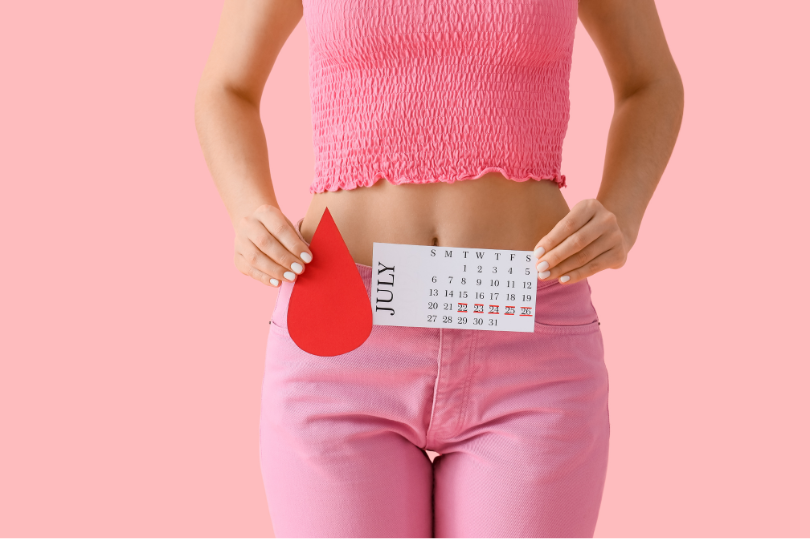
A menstrual cycle is generally considered regular if it falls somewhere between 21 and 35 days, with an average around 28 days, and periods lasting about four to seven days. According to the American College of Obstetricians and Gynecologists and Cleveland Clinic, a period is considered irregular if any of the following apply:
If one or two of your cycles run a little long or short, that’s usually not something to worry about on its own. It’s the pattern over several cycles that tends to matter more than any single month.
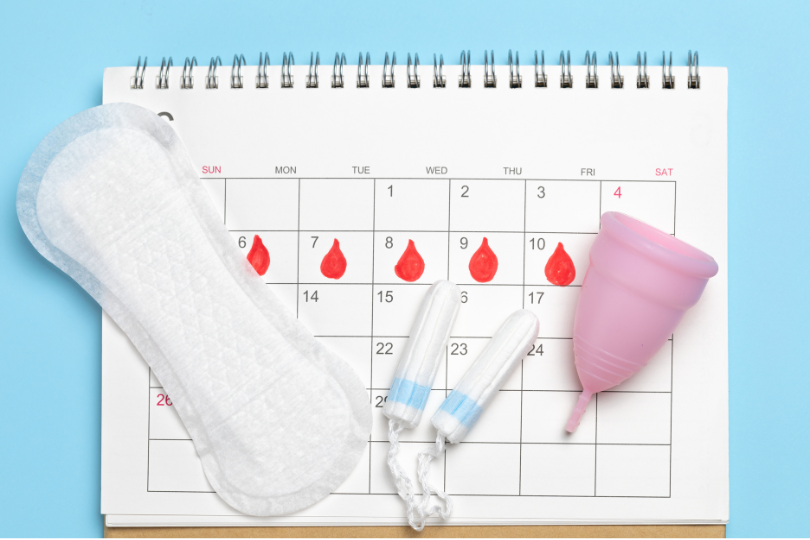
A primary culprit behind irregular periods is hormonal imbalances. Fluctuations in estrogen and progesterone levels can disrupt the normal menstrual cycle. This imbalance may be due to factors such as stress, excessive exercise, rapid weight loss or gain, and certain medical conditions.
Stress: The body’s response to stress involves the release of cortisol, a hormone that can impact reproductive hormones. Chronic stress may lead to irregular periods or even amenorrhea (the absence of menstruation).
Polycystic Ovary Syndrome (PCOS): PCOS is a common endocrine disorder affecting women of reproductive age. It is characterized by an excess of androgens (male hormones) and the development of small cysts on the ovaries. These hormonal disruptions can result in irregular periods and fertility issues.
Thyroid Disorders: The thyroid plays a crucial role in regulating metabolism and hormone production. Both hyperthyroidism and hypothyroidism can disrupt menstrual cycles, causing irregular periods.
Lifestyle choices can significantly impact the menstrual cycle. Excessive exercise, sudden changes in activity levels, and poor nutrition can contribute to irregular periods.
Intense Exercise: While regular exercise is beneficial for overall health, excessive and intense workouts can lead to irregular periods. This is often seen in athletes or individuals with rigorous training routines.
Dietary Habits: Inadequate nutrition, extreme diets, or rapid weight loss/gain can disrupt the delicate hormonal balance, affecting the menstrual cycle. A balanced and nutrient-rich diet is crucial for maintaining reproductive health.
Certain medical conditions can contribute to irregular periods. Besides PCOS and thyroid disorders, conditions such as endometriosis and uterine fibroids can disrupt the normal menstrual cycle.
Endometriosis: This condition involves the growth of tissue similar to the uterine lining outside the uterus. It can cause pain, inflammation, and irregular bleeding.
Uterine Fibroids: Non-cancerous growths in the uterus, known as fibroids, can lead to heavy or prolonged menstrual bleeding, resulting in irregular periods.

The use of certain contraceptive methods can influence menstrual regularity. Hormonal contraceptives, such as birth control pills, patches, or intrauterine devices (IUDs), can cause changes in menstrual patterns.
Birth Control Pills: Some women may experience irregular bleeding or missed periods while using birth control pills, especially during the initial months of use or when switching to a different formulation.
IUDs: Intrauterine devices, particularly those containing hormones, can also lead to changes in menstrual flow. While some women may experience lighter periods, others may notice irregular bleeding.
As women approach menopause, typically in their late 40s to early 50s, hormonal fluctuations become more pronounced. This transitional phase, known as perimenopause, can cause irregular periods before menstruation eventually ceases.
Perimenopause: Hormonal fluctuations during perimenopause can lead to irregular cycles, with periods becoming more sporadic, heavier, or lighter.
Menopause: The cessation of menstrual cycles marks the onset of menopause. While irregular periods are expected during perimenopause, any unusual bleeding should be discussed with a healthcare provider to rule out other potential causes.
Occasional variation in your cycle usually isn’t a concern, but it’s worth getting checked if you notice periods coming more often than every 21 days or less often than every 35 days, missing three or more periods in a row without being pregnant, bleeding that lasts longer than seven days, soaking through protection every hour or two, severe pain alongside your period, or any bleeding after menopause. A doctor can take a proper history, examine you, and run any diagnostic tests needed to identify the specific cause behind your symptoms.
A cycle shorter than 21 days or longer than 35 days, cycle length that varies by more than about 7 to 9 days month to month, missing three or more periods in a row, or bleeding that’s unusually heavy, light, or prolonged.
Common causes include hormonal imbalances such as PCOS or thyroid disorders, lifestyle factors like intense exercise or poor nutrition, medical conditions such as endometriosis or fibroids, hormonal contraceptives, and the natural transition through perimenopause.
Yes. Minor variation from cycle to cycle is completely normal. It’s a pattern of significant variation, or periods that stop altogether, that’s more worth paying attention to.
If your cycles are consistently shorter than 21 or longer than 35 days, you miss several periods in a row, your bleeding is unusually heavy or prolonged, or you experience bleeding after menopause.
Yes. Chronic stress raises cortisol, which can interfere with the reproductive hormones that regulate your cycle, sometimes leading to irregular periods or a missed period altogether.
Irregular periods are common and usually explained by a fairly well understood set of causes, from hormonal shifts and lifestyle factors to underlying medical conditions and the natural approach of menopause. Understanding what actually counts as irregular, rather than assuming any small variation is a problem, makes it easier to know when it’s worth paying closer attention. If your cycle has been persistently irregular, you can consult a doctor online through MaNaDr to get a proper assessment and find out what’s behind it.