

Pilates is taking the fitness world by storm, and for good reason. As of 2023, over 12 million people worldwide practice Pilates, with approximately 9 million practitioners in the United States alone, and numbers continuing to grow each year. (Pilates Foundation)
Once a niche exercise mostly known among dancers and athletes, Pilates has now become a go-to workout for people of all ages, fitness levels, and lifestyles. Why the surge in popularity? Because the benefits of Pilates are real and measurable. From improved posture and core strength to reduced stress and enhanced flexibility, millions have experienced the powerful transformation Pilates offers.
In this article, we’ll explore the top advantages of Pilates, the rise of power Pilates workouts, how to get started with Pilates and how consistent practice can help you achieve remarkable results – both physically and mentally.
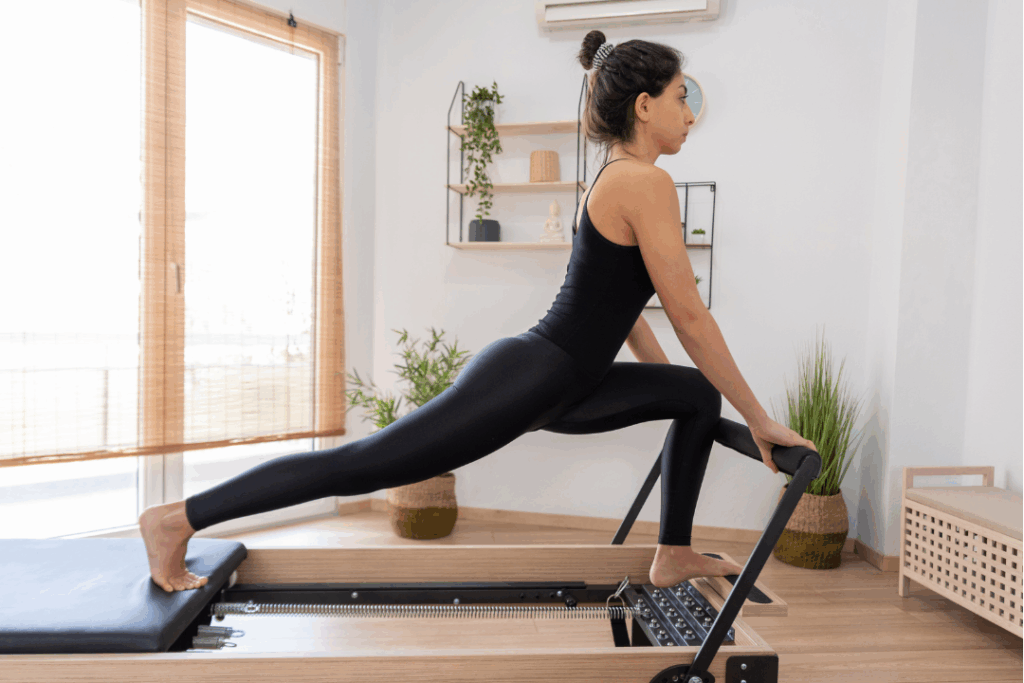
Pilates is a low-impact, full-body exercise method that focuses on strengthening muscles while improving postural alignment and flexibility. Developed by Joseph Pilates in the early 20th century, the practice was originally designed to help injured dancers and athletes recover while building core strength.
At its core, Pilates emphasizes controlled movements, intentional breathing, and core engagement, what practitioners often refer to as the “powerhouse” of the body. Unlike high-impact workouts, Pilates encourages quality of movement over quantity, helping to build balanced strength and mobility.
There are several types of Pilates:
Additionally, Power Pilates is a more intense version of the traditional method. It incorporates a faster pace, higher energy, and cardiovascular elements, making it an excellent choice for those looking to boost endurance and calorie burn while still enjoying Pilates’ core-strengthening focus.
Whether you’re a beginner looking to ease into fitness or someone seeking a powerful, low-impact workout, Pilates offers an inclusive path to better health. It’s commonly used in physical therapy settings, sports training, and wellness routines, showing how versatile and effective it truly is.
Before we dive into the top 8 benefits, it’s worth highlighting why Pilates has become a global favorite in fitness and wellness circles. More than just a core workout, Pilates is celebrated for its ability to enhance overall well-being, from improving posture and flexibility to reducing stress and supporting joint health. Whether you’re doing it daily or a few times a week, the health benefits of Pilates add up fast and are felt both physically and mentally. Let’s explore how this powerful practice can transform your everyday life.
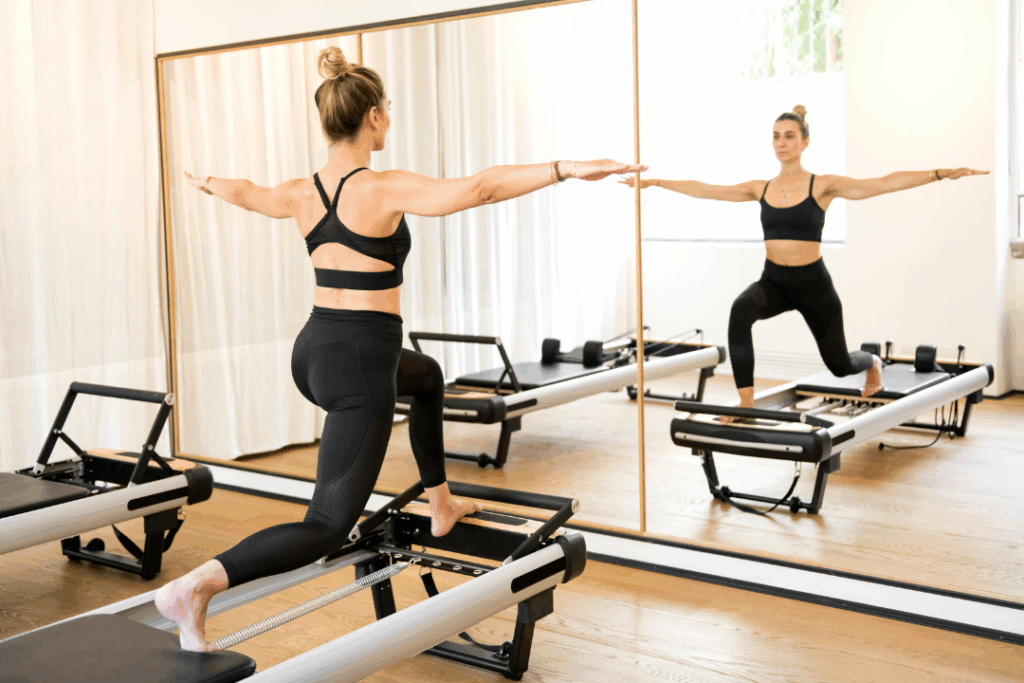
One of the key advantages of Pilates is its powerful effect on your core strength. The core, often referred to as the “powerhouse” in Pilates, includes your abdominal muscles, lower back, hips, and pelvic floor. Every Pilates movement is rooted in activating this central area, leading to improved balance, coordination, and posture. The emphasis on deep, controlled movements rather than superficial motions helps develop a strong, stable core that supports your spine and enhances your overall strength.
Practicing Pilates regularly leads to long-term health benefits, especially in terms of injury prevention and spinal alignment. A stronger core can help alleviate lower back pain, correct postural imbalances, and improve functional fitness for daily tasks. Unlike traditional ab workouts, Pilates engages the entire torso, helping you build endurance and resilience without placing unnecessary stress on the joints.
Unlike many high-impact workouts that focus on speed or power, Pilates emphasizes lengthening and elongating the muscles. Over time, this method helps increase joint range of motion and relieve tightness, making everyday activities more comfortable and reducing the risk of injury. From the hamstrings and hip flexors to the shoulders and spine, every Pilates session targets areas that often become stiff due to sedentary lifestyles.
Flexibility is not just about touching your toes, it’s about moving your body more efficiently. With regular practice, you’ll find it easier to bend, twist, and stretch with grace and control. Improved flexibility from Pilates also enhances posture, reduces muscle tension, and supports better alignment throughout the body.
In today’s world of desk jobs, screen time, and sedentary routines, poor posture has become a common issue that leads to chronic back and neck pain, spinal misalignment, and even reduced lung capacity. Pilates directly addresses these issues by focusing on spinal alignment, core engagement, and balanced muscle development. Each Pilates workout involves mindful movement and breathing techniques that activate the muscles responsible for supporting your spine and shoulders.
Through regular practice, you become more aware of how you carry your body, both during workouts and in everyday life. Over time, Pilates trains your muscles to hold your body in better alignment, helping you stand taller, walk with confidence, and reduce strain on your joints.
Pilates promotes long, lean muscles rather than bulky mass, giving your body a more toned and sculpted appearance. Through controlled resistance exercises, Pilates targets multiple muscle groups simultaneously, encouraging even muscle development throughout the entire body. Unlike traditional weight training that may isolate specific areas, Pilates workouts often incorporate compound movements that activate your core, arms, legs, and back at once. This results in a streamlined and balanced physique.
Furthermore, because Pilates emphasizes precision and control, muscles are not only toned but also functionally stronger, enhancing everyday performance and reducing the risk of injury. Whether you’re aiming for subtle definition or full-body conditioning, the muscle-toning effects of Pilates are both effective and sustainable.
One of the standout advantages of Pilates is that it’s a low-impact workout that is kind on the joints, making it ideal for people of all ages and fitness levels. Unlike high-impact exercises that can strain the knees, hips, or back, Pilates emphasizes controlled, smooth movements that strengthen the muscles without adding unnecessary pressure. This makes it a safe and sustainable option for individuals looking to stay active without risking further injury or wear and tear.
Despite its gentle nature, Pilates is remarkably effective for building strength, stability, and endurance. You’ll engage deep muscles, improve flexibility, and challenge your balance, all while minimizing the chance of overuse injuries. For seniors, postpartum mothers, or those dealing with chronic pain, Pilates serves as a restorative path to fitness. It’s also a favorite among athletes during recovery periods, as it helps maintain muscle tone and mobility without compromising healing.
The practice emphasizes mindful movement and deep, controlled breathing, which helps calm the nervous system and reduce stress. As a result, Pilates acts like a moving meditation, bringing your focus into the present moment, clearing mental fog, and helping you feel more centered after each session.
Regular Pilates practice is linked to improved mood, better sleep, and reduced anxiety. It’s not just about physical gains, the power of Pilates also lies in its ability to bring mental clarity and balance into your daily life.
Another powerful advantage of Pilates is its ability to enhance balance and coordination. Pilates exercises target the deep stabilizing muscles in the core, hips, and spine, helping you stay grounded and steady, whether you’re walking, climbing stairs, or playing sports. By improving body awareness and posture, Pilates trains your body to move with control and precision.
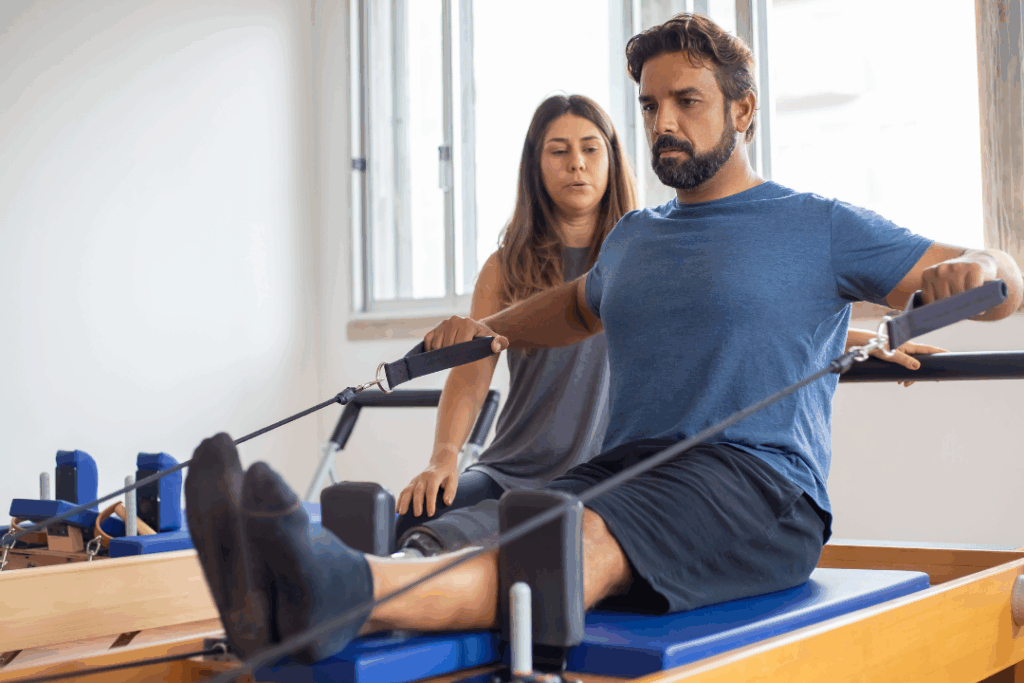
While Pilates might not burn calories at the same rate as high-intensity cardio workouts, it plays a valuable role in weight management by building lean muscle mass and boosting your metabolism. Stronger muscles burn more energy, even at rest, helping your body become more efficient over time. Plus, Pilates encourages mindful eating and healthier lifestyle habits, which are key to sustainable weight loss.
For those who find traditional workouts intimidating, Pilates offers a low-impact yet effective way to stay active and support fat loss. More dynamic variations, such as power Pilates workouts, elevate the heart rate and offer even greater calorie-burning potential. When paired with a balanced diet and consistent practice, Pilates can be a powerful part of your weight management journey.
Starting your Pilates journey can feel exciting, and maybe a little overwhelming, but the good news is that Pilates is incredibly beginner-friendly. You don’t need fancy equipment or a background in fitness to begin; just a mat, some space, and a willingness to move with intention. The key is to start slow and focus on the foundational principles of breath, control, and alignment.
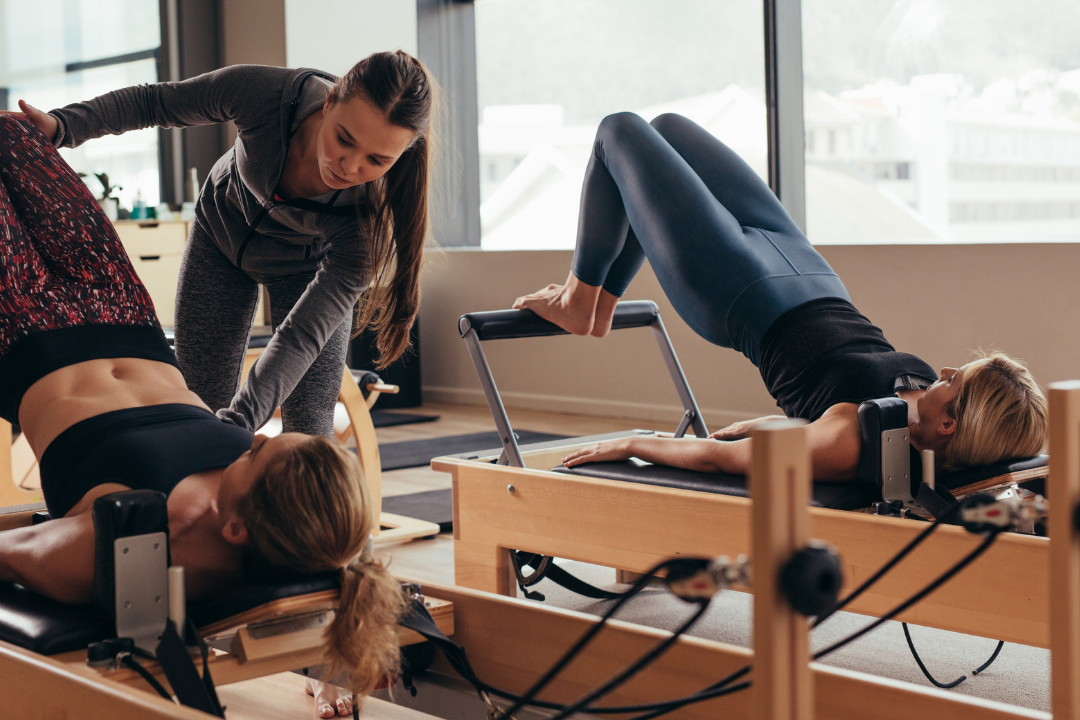
Begin with mat Pilates, which uses your body weight and minimal props like resistance bands or small balls. These sessions help you build a solid understanding of core engagement, posture, and flexibility without the need for machines. Many beginner programs are available online or at local studios, and some even offer gentle or therapeutic classes tailored to newcomers or those with injuries.
Consistency is more important than intensity. Aim for 2–3 sessions a week, and don’t worry about perfecting every move right away. As your strength and awareness grow, you can gradually try more dynamic classes like Power Pilates or Reformer sessions for added variety and challenge. Be patient with your body and celebrate small wins, every stretch and breath counts.
Finally, wear comfortable, stretchy clothing that allows for full range of motion, and consider working with a certified Pilates instructor if you prefer hands-on guidance. Whether you’re trying Pilates to support your health, improve posture, or reduce stress, starting with the basics sets the stage for long-term success and transformation.
Pilates is more than just a trending workout, it’s a powerful and sustainable approach to improving both your physical and mental well-being. From strengthening your core and improving posture to enhancing flexibility, balance, and coordination, the benefits of Pilates are well-rounded and science-backed. It’s also gentle on the joints, effective for muscle toning, and offers valuable relief from stress and mental fatigue.
Whether you’re just getting started or exploring more advanced practices like Power Pilates, remember this: consistency is the key. You don’t need to do intense sessions daily to see results. Practicing Pilates regularly, just a few times a week, can unlock lasting transformation for your body and mind. Over time, those small steps add up to stronger muscles, better posture, increased confidence, and improved overall health.
Disclaimer: Individuals with spinal injuries, severe musculoskeletal conditions, or unmanaged cardiovascular disease are advised to consult with a healthcare professional before beginning any Pilates program. Always prioritize safety and seek guidance tailored to your personal health needs.