


Asthma is one of the most common chronic diseases in the world, affecting people of every age, though it’s often diagnosed in childhood. It can range from a mild inconvenience to a genuinely life-threatening condition during a severe attack, so understanding what it actually is, how to recognise it, and when it becomes dangerous matters for anyone living with it or caring for someone who does.
According to the Global Initiative for Asthma (GINA), asthma is a chronic condition affecting the airways in the lungs. It’s usually characterised by ongoing inflammation of the airways, which makes them prone to narrowing and becoming overly sensitive to triggers. This isn’t just a lung inconvenience.
Asthma is a genuine, medically recognised disease, and it’s estimated to affect anywhere from 1 to 29% of the population depending on the country, making it one of the most common chronic respiratory conditions worldwide.
The core problem in asthma happens inside the lungs themselves. The muscles surrounding the airways tighten, the airway lining becomes inflamed and swollen, and extra mucus can build up, all of which narrows the space air needs to move through. This is why asthma symptoms tend to come and go rather than staying constant, since the airways can be relatively open one day and significantly narrowed the next, depending on triggers and how well the underlying inflammation is controlled.
Asthma isn’t a single, uniform condition. It’s considered a heterogeneous disease, meaning it can look quite different from person to person. Common patterns include:

The core symptoms of asthma, as defined by GINA, are wheeze, shortness of breath, chest tightness, and cough. These symptoms characteristically vary over time and in intensity, which is actually one of the more distinctive features of asthma compared to other respiratory conditions. A few patterns are worth knowing:
If you’re an adult noticing a persistent cough, breathlessness with exertion that feels disproportionate, or a tight feeling in your chest that comes and goes, particularly at night, it’s worth having it properly assessed rather than assuming it’s simply being unfit or getting older. Adult-onset asthma is genuinely common and easy to miss, since people don’t always expect a new diagnosis later in life.

Asthma that develops or shows up in adulthood doesn’t always look the same as the classic childhood picture most people expect. Adult asthma tends to be less predictable, with fewer clear periods of remission and a higher chance of persisting long-term rather than easing off, and it’s often driven by a different underlying pattern of airway inflammation than the allergy-driven type more common in children.
A few things make adult symptoms easy to miss or dismiss. Because life gets busy, a chronic dry cough is easy to write off as a lingering cold, and breathlessness during everyday activities is easy to blame on simply being out of shape or getting older, rather than recognising it as a respiratory symptom worth investigating. Adults are also more likely to have other health conditions layered on top of asthma, including obesity, acid reflux, and cardiovascular issues, all of which can make symptoms feel less like textbook asthma and more like a mix of vague, overlapping complaints.
Research has also found that when asthma does develop in adulthood, it’s more often associated with reduced lung function markers, a higher likelihood of ongoing symptoms despite treatment, and, in general, a more severe course than childhood-onset asthma. This is part of why persistent respiratory symptoms in adulthood are worth a proper medical evaluation rather than being managed with over-the-counter cough remedies alone.
An asthma attack, sometimes called an exacerbation, is an episode where asthma symptoms suddenly worsen beyond someone’s usual baseline. It happens when the airways narrow further than usual, due to tightened muscles, increased inflammation, and excess mucus all combining at once, making it genuinely harder to breathe.
Common signs of an asthma attack include:
People often describe an asthma attack as feeling like breathing through a narrow straw, or like there’s a tight band squeezing around the chest. Coughing during an attack can feel uncontrollable, and there’s often a genuine sense of panic that comes with not being able to get a full breath in. Attacks can range from mild, where symptoms are noticeable but manageable with rescue medication, to severe, where someone struggles to speak, their lips or fingertips may take on a bluish tinge, and emergency care is needed immediately.
According to the CDC, asthma attacks can be mild, moderate, or severe enough to become life-threatening, which is exactly why recognising the early signs and having a clear action plan matters so much for anyone living with asthma.

Honestly, in most individual cases, the exact underlying cause of someone’s asthma isn’t fully known. What’s better understood is that asthma tends to develop from a mix of genetic and environmental factors working together, rather than any single cause. Common triggers that bring on symptoms or attacks in someone who already has asthma include:
A number of factors increase someone’s likelihood of developing asthma or experiencing more frequent, more severe attacks. These include a family history of asthma or allergic conditions, a personal history of allergies such as eczema or hay fever, childhood respiratory infections, exposure to tobacco smoke, obesity, and occupational exposure to dust, fumes, or chemicals over time. Poor asthma control itself is also a major risk factor for future exacerbations, which is why sticking with prescribed treatment, even when feeling well, matters more than it might seem.
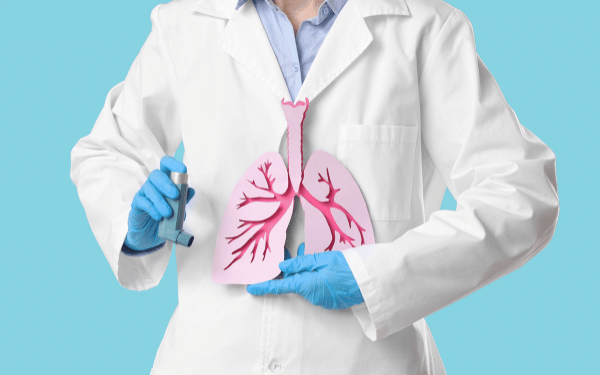
Adult-onset asthma, meaning asthma that first appears after childhood, has its own distinct set of contributing factors, separate from the general triggers already covered above.
Hormonal changes in women. Adult-onset asthma is notably more common in women than men, and hormonal shifts appear to play a real role. Some women first develop asthma symptoms during or after pregnancy, and others develop it for the first time around menopause, including in connection with hormone therapy containing estrogen.
Obesity. Higher body weight is one of the most consistently identified risk factors for developing asthma as an adult. Large population studies have found that both overweight and obesity meaningfully raise the risk, with the effect seen in both men and women, likely through a combination of mechanical effects on the airways and increased systemic inflammation.
Gastroesophageal reflux disease (GERD). Chronic acid reflux is a recognised trigger and aggravating factor for adult-onset asthma, and the two conditions frequently occur together.
Occupational exposure. Adults, unlike children, can develop asthma from prolonged exposure to specific substances at work, including chemicals, dust, and fumes encountered on the job over months or years.
Respiratory infections. A significant cold or flu is often identified as the apparent trigger for a first episode of adult-onset asthma, even though the underlying susceptibility was likely already present.
A different underlying pattern. Unlike much of childhood asthma, which is often allergy-driven, adult-onset asthma is frequently non-allergic in nature. This distinction matters clinically, since non-allergic asthma doesn’t always respond to treatment in quite the same way, which is part of why an accurate diagnosis matters as much as recognising the symptoms themselves.
This is a genuinely important question, and the honest answer is yes, though for most people with well-controlled asthma, this risk is low. Asthma can be a life-threatening condition, particularly during a severe, poorly managed attack. According to the American Asthma and Allergy Foundation, without appropriate treatment, asthma can cause permanent lung damage, reduced lung function, and death, which is exactly why ongoing management, not just treating attacks as they happen, is so important.
Yes, a severe asthma attack can be fatal if it isn’t treated promptly. Signs of an asthma emergency include extreme difficulty breathing, an inability to speak more than a few words at a time, bluish lips or fingertips, and a feeling of suffocation. If you or someone else is experiencing these signs, this is a medical emergency and requires immediate care, not a wait-and-see approach. Research has found that certain factors increase the risk of a life-threatening attack, including a history of previous hospitalisation for asthma, heavy use of rescue inhalers, poorly controlled symptoms, and certain other health conditions occurring alongside asthma.
It’s possible, though rare, and it’s closely tied to how well-controlled someone’s asthma is overall. Nighttime symptoms are actually recognised as a marker of poorly controlled asthma and a genuine risk factor for a serious attack, since airway inflammation often peaks in the early hours of the morning. This is part of why doctors specifically ask about nighttime symptoms when assessing asthma control, and why frequent nighttime wheezing, coughing, or breathlessness shouldn’t be brushed off as just an annoying pattern. If you’re regularly waking up with asthma symptoms, it’s a sign your current treatment plan may need adjusting, and it’s worth raising with your doctor rather than just pushing through it.
There’s no cure for asthma, but it’s highly treatable, and modern treatment has shifted significantly over the past few years. According to the Global Initiative for Asthma’s 2025 guidelines, the old approach of relying on a short-acting reliever inhaler alone, often called a “rescue inhaler,” is no longer recommended for most adults and adolescents. Using a reliever without any inhaled corticosteroid is now understood to actually increase the risk of severe attacks and asthma-related death over time, since it treats the symptom without addressing the underlying airway inflammation.
The current standard approach, for most adults, uses a combination inhaler containing an inhaled corticosteroid (ICS) together with a fast-acting bronchodilator called formoterol. This single inhaler can be used both as an as-needed reliever when symptoms strike, and as regular daily treatment for those who need more consistent control, an approach often called maintenance and reliever therapy, or MART.
Treatment is generally stepped up or down based on how well-controlled someone’s symptoms are, reviewed regularly with a doctor, rather than following a fixed, one-size-fits-all plan. For people whose asthma remains poorly controlled despite standard treatment, options can include additional add-on medications or, for more severe cases, referral to a specialist for further evaluation, including newer biologic therapies targeting specific underlying causes of inflammation.
Two things matter just as much as the medication itself. Good inhaler technique makes a real difference to how much of the dose actually reaches the lungs, so it’s worth having this checked periodically rather than assuming it’s correct. And consistency matters even when feeling well, since asthma control can look fine on the surface while inflammation is still building underneath, only to flare up later if treatment is stopped too early.
Asthma itself, as an underlying condition, generally can’t be prevented once the genetic and environmental factors that lead to it are in place. What can genuinely be prevented, to a large extent, is the frequency and severity of asthma attacks, and that’s really what most people mean when they ask how to prevent asthma.
Stick with your prescribed treatment, even when you feel fine. This is the single most effective thing most people can do, since consistent use of inhaled corticosteroid-containing treatment substantially reduces the risk of exacerbations, more so than only treating symptoms as they appear.
Identify and manage your personal triggers. Common ones include airborne allergens like pollen, dust mites, and pet dander, viral respiratory infections, tobacco smoke and air pollution, cold air, and strong emotional stress. Not everyone reacts to the same triggers, so it’s worth paying attention to your own pattern rather than assuming a generic list applies fully to you.
Get a written asthma action plan from your doctor. This sets out what to do at different symptom levels, including when to increase treatment yourself and when to seek urgent care, and having it in writing makes it much easier to act quickly rather than hesitating during a flare-up.
Avoid smoking and secondhand smoke exposure. Tobacco smoke is one of the most significant, modifiable triggers for both asthma symptoms and long-term lung damage.
Keep up with vaccinations. Since viral respiratory infections are a common trigger for attacks, staying current with flu and other recommended vaccinations can reduce how often you’re exposed to this particular trigger.
Have your inhaler technique checked regularly. Even well-chosen medication doesn’t help much if it isn’t reaching the lungs properly, so it’s worth having a doctor or pharmacist watch you use your inhaler periodically, not just at diagnosis.
Together, good trigger management and consistent treatment are what turn asthma from a condition prone to sudden, frightening attacks into one that, for most people, stays quiet and well controlled most of the time.
A chronic condition affecting the airways in the lungs, usually involving ongoing inflammation that makes the airways prone to narrowing and becoming overly sensitive to triggers.
Wheeze, shortness of breath, chest tightness, and cough, which tend to vary over time and are often worse at night or triggered by specific factors like exercise or allergens.
Often described as breathing through a narrow straw or having a tight band around the chest, with coughing, wheezing, and a real sense of struggling to get a full breath in.
The exact cause in an individual case is often unclear, but it’s generally thought to develop from a mix of genetic and environmental factors, with common triggers including allergens, infections, exercise, and irritants like smoke.
Yes, particularly during a severe, poorly managed attack, though the risk is low for people whose asthma is well controlled with appropriate treatment.
Asthma is a common, genuinely medical condition, not just an inconvenience, and while it can occasionally become life-threatening during a severe attack, it’s also highly manageable for the vast majority of people who stay on top of their treatment. Recognising the early signs of an attack, understanding your own triggers, and taking nighttime symptoms seriously as a signal your control may need adjusting are all practical steps that genuinely reduce risk. If you’re experiencing symptoms that sound like asthma, or your current treatment doesn’t seem to be keeping things under control, you can consult a doctor online through MaNaDr to get a proper assessment.