Bipolar Disorder - Causes, Symptoms & Treatment: Manic Depression Isn’t Just a Mood Swing - Manadr
Bipolar Disorder – Causes, Symptoms & Treatment: Manic Depression Isn’t Just a Mood Swing
MaNaDr2022-06-24
Bipolar disorder is a complex and often misunderstood mental health condition that causes unusual, and sometimes dramatic, shifts in mood, energy, activity levels, and concentration. It is more than just typical mood swings; it involves distinct “mood episodes” that can range from periods of extreme elation or irritability (mania or hypomania) to profound sadness and hopelessness (depression). Historically known as manic depression, this condition affects millions globally, profoundly impacting their daily lives.
Understanding what is bipolar disorder, its diverse symptoms of bipolar disorder, the nuances of manic depression, available bipolar disorder treatments, and the different types of bipolar disorder is crucial for accurate diagnosis and effective management. This comprehensive guide aims to shed light on this challenging illness, emphasizing that it is a treatable medical condition, not a personal failing.
1. What Is Bipolar Disorder?
For many, the term “bipolar” might simply suggest someone with fluctuating moods. However, bipolar disorder is a complex, lifelong brain disorder that disrupts an individual’s emotional regulation, energy, and functioning. Understanding “what bipolar is” goes beyond common misconceptions of simple moodiness.
1.1. Bipolar Disorder Definition and Meaning
Bipolar disorder, often referred to as manic depressive disorder in older terminology, is a mental health condition characterized by significant shifts in mood, energy, activity levels, and concentration. These shifts are known as mood episodes: periods of elevated or irritable mood (mania or hypomania) and periods of depression. The bipolar definition centers on these extreme shifts, which are distinct from normal emotional fluctuations.
Essentially, what does bipolar mean is that an individual experiences extreme emotional states. These episodes can last for days, weeks, or even months, significantly impacting an individual’s ability to carry out daily tasks, maintain relationships, or perform at work or school. It’s important to recognize that bipolar disorder is a disease, a genuine medical condition affecting brain chemistry and function.
1.2. How Common is Bipolar Disorder? (Statistics & Impact)
Bipolar disorder affects a significant portion of the global population, underscoring its profound relevance as a major public health concern worldwide. It is a condition with widespread impact that goes far beyond individual experience.
Globally, an estimated 40 million people were living with bipolar disorder in 2019 (World Health Organization – WHO). This translates to approximately 0.53% of the global population, making it a considerable public health challenge. Other research suggests lifetime prevalence rates ranging from 1% to 2.4% across different populations (National Center for Biotechnology Information – NCBI).
The typical age of onset for bipolar disorder is often in the late teens or early 20s. However, it can begin earlier in childhood or manifest later in adulthood, with more than 70% of individuals manifesting clinical characteristics of the condition before 25 years of age (NCBI). This early onset often disrupts critical developmental periods for young people.
Once bipolar disorder (bi polar disorder) develops, it is generally a chronic and recurrent condition, meaning it requires ongoing management throughout life. Its impact can be profound and far-reaching. The WHO identifies bipolar disorder as one of the leading causes of disability globally, particularly among working-age individuals (WHO). It is recognized as the sixth leading cause of disability-adjusted life years (DALYs) worldwide for people aged 15 to 44 years (Psychiatric Services).
1.3. Causes of Bipolar Disorder
The exact causes of bipolar disorder are not fully understood, but current research strongly suggests it arises from a complex interplay of genetic, biological, and environmental factors. It’s generally accepted that there isn’t a single cause for what causes bipolar depression or the disorder as a whole; rather, it’s a convergence of vulnerabilities and triggers.
Family Links:Bipolar disorder often runs in families, indicating a strong genetic component. If a first-degree relative (parent or sibling) has bipolar disorder, an individual’s risk is significantly increased. Studies of identical twins show a remarkable 40% to 70% likelihood that if one twin has bipolar disorder, the other will also develop it, far higher than in fraternal twins or the general population (Verywell Mind, SciELO).
Polygenic Inheritance: While the disorder is highly heritable, researchers emphasize that there isn’t one “bipolar gene.” Instead, it’s believed that multiple genes, each contributing a small amount of risk, interact with each other and with environmental factors to increase susceptibility. This complex genetic blueprint makes individuals more vulnerable but doesn’t guarantee the development of the condition.
1.3.2. Biological and Brain Factors
Brain Structure and Function: Studies using neuroimaging show differences in the brain structure and activity of individuals with bipolar disorder, particularly in areas involved in mood regulation, executive function, and memory (e.g., the prefrontal cortex, hippocampus, and gray matter volume). These structural and functional changes are often more evident with chronicity and recurring episodes, suggesting a “neuroprogression” where repeated episodes may lead to further brain alterations (Medical News Today, SciELO).
Neurotransmitter Imbalances: Imbalances in key brain chemicals called neurotransmitters—such as norepinephrine, serotonin, and dopamine—are also thought to play a crucial role. These chemicals are responsible for transmitting signals between brain cells and are directly involved in regulating mood, energy, and reward pathways. Medications that alter these neurotransmitters often help manage bipolar symptoms, supporting this link (Verywell Mind, Medical News Today).
Other Biological Mechanisms: Emerging research points to other biological factors, including chronic neuroinflammation, mitochondrial dysfunction (problems with cellular energy production), oxidative stress, and abnormalities in circadian rhythms (the body’s natural sleep-wake cycle). These interconnected biological pathways likely contribute to the onset and progression of bipolar disorder (SciELO).
1.3.3. Environmental and Life Event Triggers
While a genetic or biological predisposition may exist, environmental factors and life events often act as triggers, particularly for individuals who are vulnerable.
Stressful Life Events: Significant life stressors, such as the death of a loved one, a relationship breakdown, job loss, financial difficulties, or other traumatic events, can precipitate the first episode of bipolar disorder or trigger a relapse in those already diagnosed (Mind, Verywell Mind). Chronic stress can elevate cortisol levels, impacting brain function and communication.
Childhood Adversity and Trauma: Experiences of childhood adversity, including neglect, physical, emotional, or sexual abuse, or other traumatic events during formative years, have been consistently associated with an increased risk of developing bipolar disorder. These early life traumas can profoundly affect an individual’s ability to manage emotions and stress later in life (Mind, NeuRA Library, ResearchGate).
Substance Use: The misuse of alcohol and recreational drugs (especially stimulants like cocaine and amphetamines, and cannabis) can trigger manic or hypomanic episodes, worsen bipolar symptoms, and complicate treatment. Some studies even suggest that substance use during adolescence or early adulthood may increase the risk of developing bipolar disorder in predisposed individuals (Mind, ResearchGate).
Other Environmental Influences:
Maternal Factors: Maternal infections (e.g., influenza during pregnancy) or advanced paternal age at birth have been explored as potential perinatal risk factors (ResearchGate).
Sleep Disruption: Irregular sleep patterns or severe sleep deprivation are well-known triggers for manic or hypomanic episodes in individuals with bipolar disorder (Verywell Mind).
Certain Medications: Some prescription medications, including certain antidepressants (especially when taken without a mood stabilizer), can induce manic or hypomanic episodes in susceptible individuals (Mind).
Understanding these contributing factors is essential, as they highlight the complex interplay of biological and environmental underpinnings of this bipolar medical condition.
1.4. Expert Insight: Beyond a “Mood Swing”
Expert Insight: A common myth is that “bipolar disorder is just extreme moodiness or a personality flaw, something people can ‘snap out of’ or control with willpower.” However, leading mental health professionals and organizations universally emphasize the crucial fact that bipolar disorder is a complex brain disorder with strong biological underpinnings, similar to diabetes or heart disease. It involves genuine neurobiological changes and requires medical diagnosis and treatment, distinguishing it fundamentally from everyday mood swings or personality traits. Dismissing it as a character defect perpetuates stigma and prevents individuals from seeking necessary care.
2. What Are the Symptoms and Signs of Bipolar Disorder?
The defining characteristic of bipolar disorder is the experience of distinct mood episodes: periods of elevated mood (mania or hypomania) and periods of depressed mood. Understanding these bipolar symptoms is key to recognizing the condition. The overall bipolar disorder signs and symptoms can vary greatly between individuals and over time, often depending on the specific type of bipolar disorder they experience.
2.1. Overview of Bipolar Mood Episodes
Symptoms of bipolar disorder are typically grouped into two primary categories that represent extreme shifts from a stable mood: manic/hypomanic episodes and depressive episodes. Recognizing what are signs of bipolar disease involves observing patterns in these shifts, rather than just isolated moods. These bipolar clinical manifestations are central to diagnosis.
2.2. Symptoms of Manic Episodes (Characteristic of Bipolar I Disorder)
A manic episode is a period of abnormally and persistently elevated, expansive, or irritable mood and abnormally and persistently increased activity or energy. These are the hallmark bipolar mania symptoms that define Bipolar I Disorder (bipolar i disorder). To be diagnosed with Bipolar I, an individual must have experienced at least one full manic episode.
Common bipolar manic episode symptoms, often intensely disruptive, can include:
Elevated Mood: Feeling unusually euphoric, “high,” overly happy, or experiencing extreme irritability and agitation. This intense emotional state can feel overwhelming.
Increased Energy & Activity: Feeling wired, restless, or having an abnormal and persistent increase in goal-directed activity (e.g., starting many projects at once, engaging in multiple tasks simultaneously). This often goes beyond typical productivity.
Decreased Need for Sleep: Feeling rested after only a few hours of sleep, or not needing to sleep at all for days. Despite lack of sleep, the individual feels highly energized.
Racing Thoughts & Rapid Speech: Thoughts may jump quickly from one idea to another (flight of ideas), and speech may be rapid, pressured, loud, and difficult to interrupt. This can make communication challenging.
Impulsivity & Risky Behavior: Engaging in reckless activities without considering consequences (e.g., excessive spending, risky sexual behavior, impulsive investments, substance abuse, gambling). This can lead to severe personal and financial repercussions.
Inflated Self-Esteem & Grandiosity: Holding unrealistic, exaggerated beliefs about one’s abilities, talents, or importance. This can sometimes reach delusional proportions.
Distractibility: Easily diverted by irrelevant stimuli, struggling to focus on one task or conversation.
These bipolar mania symptoms can be exhilarating at first but rapidly escalate to become debilitating and often lead to severe problems and require hospitalization. These are crucial bipolar 1 symptoms to recognize.
2.3. Symptoms of Hypomanic Episodes (Key in Bipolar II Disorder)
A hypomanic episode is a period of abnormally and persistently elevated, expansive, or irritable mood and abnormally and persistently increased activity or energy that is less severe than a full manic episode. Hypomania is a defining feature of Bipolar II Disorder . While the symptoms are similar to mania, they are typically shorter in duration and generally do not cause significant impairment in daily functioning, require hospitalization, or involve psychotic features.
Symptoms of hypomania can include:
Elevated or irritable mood, but often less intense than full mania.
Increased energy and activity, feeling more productive or social than usual.
Decreased need for sleep, feeling rested on less sleep.
Racing thoughts or pressured speech, but perhaps less chaotic than mania.
Increased impulsivity, though often less severe or destructive than in mania.
Despite being less severe, hypomanic episodes can still be problematic due to impaired judgment and can often be followed by a significant depressive episode, which is a key focus of bipolar 2 treatment.
2.4. Symptoms of Depressive Episodes (Common Across Bipolar Types)
A depressive episode in bipolar disorder is similar to major depression and involves a period of intense sadness, loss of interest, or other debilitating depressive symptoms. Signs of bipolar depression can be profoundly debilitating and are a part of both Bipolar I and Bipolar II.
Common bipolar depression symptoms include:
Persistent Sadness or Hopelessness: Feeling down, empty, or tearful most of the day, nearly every day. This often feels like a heavy cloud.
Loss of Interest or Pleasure: No longer finding joy or motivation in activities once enjoyed (anhedonia), including hobbies, social interactions, or sex.
Fatigue & Low Energy: Feeling drained, sluggish, physically and mentally exhausted, or lacking motivation for basic tasks.
Changes in Sleep & Appetite: Significant changes, such as sleeping too much (hypersomnia) or too little (insomnia); significant weight loss or gain unrelated to diet.
Difficulty Concentrating: Trouble focusing, remembering things, making decisions, or thinking clearly.
Feelings of Worthlessness or Guilt: Excessive self-blame, feelings of being a burden, or irrational guilt.
Thoughts of Death or Suicide: Recurrent thoughts about dying, suicidal ideation, planning, or suicide attempts. These thoughts are serious and require immediate attention.
These symptoms of bipolar 1 disorder (when part of Bipolar I) and symptoms of bipolar depression (when part of Bipolar II) can profoundly impact daily functioning.
2.5. Mixed Features: When Highs and Lows Collide
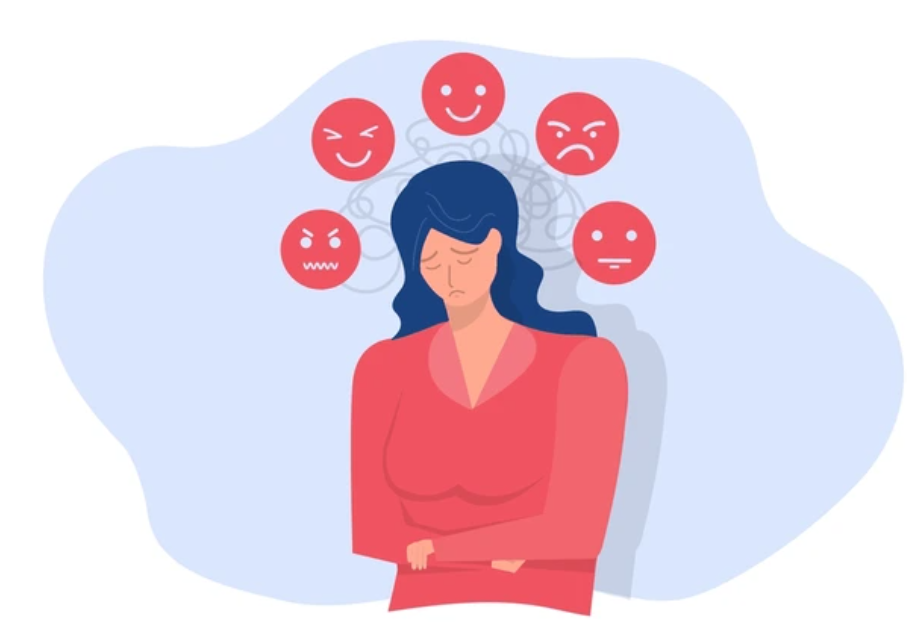
Sometimes, individuals with bipolar disorder experience a mixed episode or “mixed features,” where symptoms of both mania/hypomania and depression occur simultaneously. For example, a person might feel extremely sad and hopeless while also experiencing racing thoughts, increased energy, and agitation. This simultaneous experience of mania and depression can be a particularly distressing and volatile state, characterized by extreme irritability, anxiety, and unpredictable behavior.
2.6. Cyclothymic Disorder Symptoms (A Milder, Chronic Form)
Cyclothymic Disorder (Cyclothymia) is a milder but chronic form of bipolar mood disorder. It involves numerous periods of hypomanic symptoms and numerous periods of depressive symptoms that are not severe enough to meet the full criteria for a major depressive or hypomanic episode. These fluctuating mood states persist for at least two years (one year in children/adolescents), creating a pattern of ups and downs that can still impact daily life.
2.7. Expert Insight: The Nuance of Bipolar Symptoms
Expert Insight: A common myth is that “someone with bipolar disorder is always swinging wildly and rapidly between extreme highs (mania) and extreme lows (depression) like a pendulum.” While dramatic shifts can certainly occur, leading mental health organizations clarify the crucial fact that bipolar disorder’s presentation is far more nuanced. Many individuals experience long periods of stable mood between episodes, or their elevated moods might be less intense (hypomania, as in Bipolar II). Furthermore, depressive episodes are often more frequent and can last longer than manic episodes, meaning the illness isn’t always about rapid, symmetrical “swings.” The patterns and severity of bipolar symptoms vary widely, making accurate diagnosis a challenge that requires careful professional assessment over time.
If you or a loved one are experiencing persistent mood changes, significant shifts in energy, or other concerning bipolar symptoms, seeking an initial assessment is vital. MaNaDr offers a discreet way to consult with online doctors 24/7 to discuss your concerns and get guidance.
3. What Is Manic Depression: Understanding This Aspect of Bipolar Disorder?
The term manic depression holds significant historical weight in understanding bipolar disorder. While “bipolar disorder” is the current clinical term, “manic depressive disorder” was widely used for decades and still resonates with many.
3.1. Manic Depression: The Historical Term
“Manic depression” is the older, traditional term for bipolar disorder. The phrase “what is manic depression” directly refers to the same condition that clinicians now call bipolar disorder, reflecting the two primary mood states involved: mania (or hypomania) and depression. The shift in terminology was partly to reduce stigma associated with “mania” and to better encompass the spectrum of the disorder, moving beyond just the most extreme “manic depressive” presentations to include milder forms like Bipolar II.
3.2. Connecting Manic Depression to Bipolar Types
The concept of manic depression most closely aligns with Bipolar I Disorder . Individuals with Bipolar I experience at least one full-blown manic episode, often accompanied by major depressive episodes. When people speak of “manic depression bipolar 1,” they are referring to this classic presentation where the “manic” and “depressive” poles are clearly defined and severe.
3.3. Symptoms of Manic Depression
The symptoms of manic depression are precisely the symptoms of the manic and depressive episodes detailed previously. These include:
Mania: Characterized by elevated or irritable mood, increased energy, decreased need for sleep, racing thoughts, rapid speech, impulsivity, and sometimes psychosis.
Depression: Marked by profound sadness, loss of interest, fatigue, changes in sleep/appetite, feelings of worthlessness, and suicidal thoughts.
The essence of manic depressive illness is the cyclical nature of these extremes. While an individual might experience periods of relative stability, the defining feature is the occurrence of both mania and depression over time.
3.4. Distinguishing Manic Episodes from Normal Moods or Other Conditions
It is crucial to understand that the “highs” of bipolar disorder are fundamentally different from typical happiness, excitement, or high energy. The mania (or hypomania) experienced in bipolar disorder is a distinct clinical state, not just an extreme version of a normal mood swing.
Intensity and Duration: Unlike everyday excitement, a manic episode is significantly more intense, lasts for at least one week (or any duration if hospitalization is needed), and represents a clear change from typical behavior.
Impairment: Mania causes significant functional impairment, leading to problems at work, school, social activities, or relationships. Normal excitement typically enhances function.
Negative Consequences: Manic episodes often involve reckless or irresponsible behaviors (e.g., impulsive spending, risky sexual encounters, grandiosity leading to poor decisions) that can have severe, lasting negative consequences.
Loss of Control: Individuals in a manic state often feel out of control, with racing thoughts and pressured speech that are difficult to manage, unlike someone who is simply very enthusiastic.
Distinction from Other Conditions: While other conditions might involve hyperactivity or impulsivity (e.g., ADHD), these do not typically include the expansive, elevated mood or grandiosity characteristic of bipolar mania, nor do they cycle with depressive episodes in the same way. The emotional dysregulation in bipolar disorder is part of an episodic brain disorder, not a personality trait.
3.5. Manic Depression vs. Other Conditions
It’s crucial to differentiate manic depression (bipolar disorder) from other mental health conditions, as misdiagnosis can lead to ineffective treatment for bipolar disorder.
Manic depression vs BPD (Borderline Personality Disorder): While both involve mood instability, BPD primarily involves rapid, intense shifts in emotional regulation, identity, and relationships, often in response to external triggers. Bipolar disorder, conversely, involves distinct, longer-lasting mood episodes that are more internally driven and less reactive to immediate environmental stressors.
Bipolar vs Depression (Major Depressive Disorder): This is a common misdiagnosis. Individuals with depression and bipolar disorder both experience depressive episodes. However, a diagnosis of bipolar disorder requires at least one manic or hypomanic episode at some point. Treating bipolar depression as MDD (with antidepressants alone, without a mood stabilizer) can sometimes trigger a manic or hypomanic episode, highlighting the importance of accurate diagnosis.
3.6. Expert Insight: The “High” of Mania
Expert Insight: A crucial myth associated with manic depression is that “the ‘high’ of mania is always enjoyable, empowering, and productive.” However, mental health professionals emphasize the critical fact that while initial hypomania might feel pleasant and boost productivity, full-blown mania quickly escalates into a dangerous state characterized by impaired judgment, reckless behavior, financial ruin, damaged relationships, and sometimes psychosis. This apparent “high” rapidly becomes chaotic and destructive, demonstrating that it is a severe symptom of illness, not a desirable or sustainable state of well-being.
4. What Treatments and Therapies Are Available for Bipolar Disorder?
Effectively managing bipolar disorder requires a comprehensive and individualized approach, as it is a chronic condition that benefits most from long-term management rather than a short-term fix. The goal of bipolar disorder treatments is to stabilize mood, reduce episode frequency and severity, and improve overall functioning and quality of life.
For individuals seeking treatment for bipolar disorder or “how to treat bipolar disorder,” it’s vital to understand that a multi-faceted strategy is usually most effective. This typically includes a combination of medication, psychotherapy, and consistent lifestyle management. There is no single “bipolar treatment” that works for everyone; care plans are tailored to individual needs and symptoms.
4.2. Medication for Bipolar Disorder
Medication is the cornerstone of bipolar disorder treatment, essential for stabilizing mood and preventing future episodes.
Mood Stabilizers: These are the primary class of bipolar depression medications and are crucial for preventing both manic and depressive episodes.
Lithium: Often considered the gold standard, effective for both mania and depression.
Anticonvulsants: Medications like valproic acid (Depakote), lamotrigine (Lamictal), and carbamazepine (Tegretol) are also used as mood stabilizers.
Antipsychotics: Atypical antipsychotics (e.g., olanzapine, quetiapine, risperidone, aripiprazole) may be used to treat acute manic or mixed episodes, especially if psychosis is present. Some are also approved for bipolar depression or as long-term mood stabilizers.
Antidepressants: These are used cautiously in bipolar disorder and typically only in combination with a mood stabilizer to avoid triggering a manic or hypomanic episode. Bipolar depression medications often involve this careful balance.
Anti-anxiety Medications: (e.g., benzodiazepines) may be prescribed for short-term use to help with anxiety or insomnia during acute episodes.
Psychotherapy is a crucial component of bipolar disorder treatment, providing individuals with coping skills, strategies for managing symptoms, and support for improving relationships and daily life.
Cognitive Behavioral Therapy (CBT): Helps individuals identify and change negative thought patterns and behaviors that contribute to mood episodes.
Interpersonal and Social Rhythm Therapy (IPSRT): Focuses on regulating daily routines, especially sleep-wake cycles, to stabilize mood and reduce episode recurrence.
Family-Focused Therapy (FFT): Involves family members in the treatment process, educating them about bipolar disorder, improving communication, and reducing stress within the family environment.
Psychoeducation: Learning about bipolar disorder, its symptoms, triggers, and treatment options.
These bipolar disorder therapies empower individuals to actively participate in their own long-term management.
4.4. Lifestyle Management
Consistent lifestyle practices significantly contribute to managing bipolar disorder and preventing episodes.
Regular Sleep Schedule: Maintaining a consistent sleep-wake cycle is critical, as sleep disruption can be a major trigger for mood episodes.
Healthy Diet & Exercise: Balanced nutrition and regular physical activity support overall brain health and mood stability.
Stress Reduction: Developing healthy coping mechanisms for stress (e.g., mindfulness, yoga) can help prevent episode triggers.
Avoiding Substances: Illicit drugs and excessive alcohol can significantly worsen bipolar symptoms and interfere with medication effectiveness.
5. What Are the Types of Bipolar Disorder and Related Conditions?
Bipolar disorder is not a single condition but rather a spectrum of mood disorders. Understanding the different types of bipolar disorder and related conditions is essential for accurate diagnosis and tailored bipolar disorder therapies.
5.1. Major Types of Bipolar Disorder
The American Psychiatric Association (APA) outlines several main types of bipolar disorder:
Bipolar I Disorder: This is the most severe form, defined by at least one manic episode. The manic episode may be preceded or followed by hypomanic or major depressive episodes. Individuals with bipolar I disorder experience significant shifts in mood and energy. This is what is typically referred to as “manic depressive disorder type 1” or “bipolar manic depressive.”
Bipolar 1 symptoms often include significant impairment in social or occupational functioning, and sometimes require hospitalization.
Bipolar II Disorder: Characterized by at least one major depressive episode and at least one hypomanic episode, but never a full manic episode. The hypomanic episodes are less severe than full mania and may not cause significant functional impairment, though the depressive episodes can be debilitating.
Bipolar 2 treatment focuses on managing depressive episodes and preventing hypomania from escalating.
Cyclothymic Disorder (Cyclothymia): A milder but more chronic form of bipolar disorder. It involves numerous periods of hypomanic symptoms and numerous periods of depressive symptoms (though not severe enough to meet criteria for full mood episodes) lasting for at least two years (one year in children/adolescents).
Other Specified and Unspecified Bipolar and Related Disorders: These categories are used when bipolar symptoms cause significant distress or impairment but do not precisely fit the criteria for Bipolar I, Bipolar II, or Cyclothymic Disorder.
5.2. Related Conditions and Distinctions
Accurate diagnosis is crucial because bipolar disorder can often be mistaken for other conditions, leading to inappropriate treatment for bipolar disorder.
Major Depressive Disorder (MDD): A common misdiagnosis. Individuals with MDD only experience depressive episodes. The absence of any manic or hypomanic episodes distinguishes MDD from bipolar depression. Treating bipolar depression as MDD (with antidepressants alone) can sometimes trigger mania or rapid cycling.
Borderline Personality Disorder (BPD): Sometimes confused with bipolar disorder due to emotional instability. However, manic depression vs BPD highlights a key difference: BPD involves rapid, intense shifts in emotional regulation, identity, and relationships, often triggered by external stressors, whereas bipolar disorder involves distinct mood episodes that are more internally driven and last for days or weeks.
ADHD (Attention-Deficit/Hyperactivity Disorder): Some symptoms, like distractibility and increased activity, can overlap with mania, especially in younger individuals.
5.3. Importance of Accurate Diagnosis
A correct bipolar disorder diagnosis is paramount because it dictates the appropriate bipolar disorder therapies and medication regimens. Misdiagnosis can lead to ineffective or even harmful treatments, prolonging suffering. If you are experiencing symptoms of bipolar 1 disorder or other mood fluctuations, a thorough psychiatric evaluation is essential.
If you are trying to understand what are the types of bipolar disorder or seeking psychiatric consultation, MaNaDr can provide valuable support. Our platform connects you with qualified mental health professionals who can guide you through the diagnostic process and help you understand your specific condition.
Conclusion
Bipolar disorder is a complex, chronic, but treatable mental health condition that profoundly impacts an individual’s mood, energy, and daily life. It is far more nuanced than simple “mood swings” and, historically known as manic depression, involves distinct episodes of mania/hypomania and depression. Understanding what is bipolar disorder and what are the symptoms is the crucial first step towards gaining control over the illness.
While the exact causes of bipolar disorder are not fully known, a combination of genetic, biological, and environmental factors contribute. The good news is that with early diagnosis, a comprehensive bipolar disorder treatment plan involving medication, psychotherapy, and lifestyle management, individuals can effectively manage their bipolar symptoms, stabilize their mood, and lead fulfilling lives.
Don’t let the complexities of bipolar disorder or the stigma surrounding mental health prevent you from seeking help. MaNaDr is here to empower you with immediate access to qualified mental health professionals through our AI-powered teleconsultation platform, ensuring you can connect with the right specialist 24/7. Take control of your mental well-being today.
Disclaimer: This article is for informational purposes only and does not constitute medical advice. Always consult with a qualified healthcare professional for diagnosis and treatment of any medical condition.