


A ruptured brain aneurysm is a medical emergency. If you or someone with you suddenly develops the worst headache of their life, especially alongside vomiting, a stiff neck, vision changes, or loss of consciousness, call 995 (in Singapore) or go to the nearest emergency department immediately. The rest of this guide covers what brain aneurysms are, what causes them, and how they’re diagnosed and treated, but this warning sign is worth knowing before anything else.
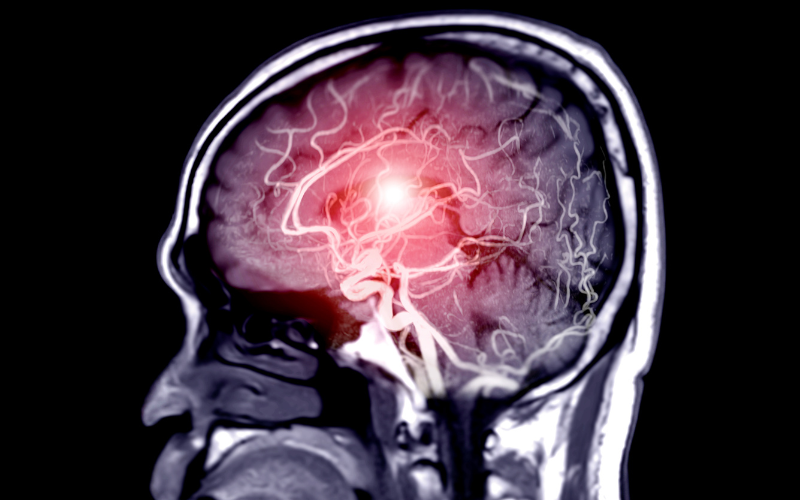
A brain aneurysm, also called a cerebral aneurysm, is a weak spot in the wall of a blood vessel in the brain that bulges outward, similar to a thin bubble or blister. It happens when part of an artery wall becomes weakened and balloons under the pressure of blood flow.
Most brain aneurysms are small and never cause any problems; many people live their entire lives without knowing they have one. The danger comes if an aneurysm grows large enough to press on nearby brain tissue, or if it leaks or ruptures, which allows blood to spill into or around the brain.
What Does “Aneurysm” Mean?
More broadly, an aneurysm is simply an abnormal bulge or ballooning in the wall of a blood vessel, caused by a weakened area of the vessel wall. Aneurysms can develop in blood vessels throughout the body, including the aorta (the body’s largest artery), but this guide focuses specifically on aneurysms that occur in the brain.
Brain aneurysms are generally classified by their shape:

The exact cause of any individual brain aneurysm isn’t always clear, but they’re generally thought to develop from a combination of factors that weaken artery walls over time. Common risk factors include:
Some of these factors, like family history and genetics, aren’t within your control, but several, including blood pressure, smoking, and alcohol use, are modifiable.
Symptoms depend heavily on whether the aneurysm is unruptured or has ruptured.
Most unruptured brain aneurysms cause no symptoms at all and are often discovered incidentally during brain imaging done for an unrelated reason. If a larger unruptured aneurysm does cause symptoms, usually because it’s pressing on nearby nerves or tissue, these can include:
A ruptured brain aneurysm causes bleeding around the brain and is life-threatening. The hallmark symptom is a sudden, extremely severe headache, often described as “the worst headache of my life,” sometimes called a thunderclap headache because of how abruptly it strikes. Other symptoms of a ruptured aneurysm can include:
If you or someone else experiences these symptoms, this is a medical emergency. Call 995 or go to the nearest emergency department immediately; the sooner treatment begins, the better the outcome tends to be.
Because most unruptured brain aneurysms don’t cause symptoms, they’re frequently found by chance during brain imaging performed for another reason. When a brain aneurysm is suspected, whether incidentally or due to symptoms, doctors typically use imaging tests such as:
In a suspected rupture, doctors will also assess neurological symptoms and may perform additional tests, such as a lumbar puncture, if imaging doesn’t clearly confirm bleeding.
Not every brain aneurysm needs treatment. Doctors generally weigh the aneurysm’s size, location, and risk of rupture against the risks of treatment itself, and small, low-risk, unruptured aneurysms are often simply monitored over time rather than treated immediately.
This involves open surgery to place a small metal clip across the base of the aneurysm, stopping blood flow into it while preserving flow through the healthy part of the artery.
These are less invasive, catheter-based procedures performed through a blood vessel rather than open surgery. Endovascular coiling involves packing the aneurysm with tiny coils to block blood flow into it, while flow-diverting devices redirect blood flow away from the aneurysm to encourage it to close off over time. These approaches are often preferred where suitable, due to a shorter recovery compared with open surgery.
For small, unruptured aneurysms considered low-risk, doctors may recommend regular monitoring with periodic imaging instead of immediate treatment, alongside managing risk factors like blood pressure and smoking to help reduce the chance of growth or rupture.
There’s no guaranteed way to prevent a brain aneurysm from forming, particularly where genetics or family history play a role, but managing the modifiable risk factors can help reduce the risk of one forming or rupturing:
If you have a family history of brain aneurysms or a known genetic condition associated with them, it’s worth discussing with a doctor whether screening might be appropriate for you.
Seek emergency care immediately if you or someone with you experiences:
These can be signs of a ruptured brain aneurysm, and prompt treatment significantly affects outcomes. If you’re experiencing new but less severe symptoms, such as a persistent headache behind one eye or a drooping eyelid, it’s still worth being assessed by a doctor promptly rather than waiting to see if it resolves on its own.
A brain aneurysm, or cerebral aneurysm, is a weakened, bulging area in the wall of a blood vessel in the brain. Most are small and don’t cause symptoms, but larger or ruptured aneurysms can be dangerous.
Most unruptured brain aneurysms cause no symptoms. Larger ones may cause a persistent headache, eye pain, a drooping eyelid, or vision changes. A ruptured aneurysm typically causes a sudden, severe “thunderclap” headache along with symptoms like vomiting, a stiff neck, and confusion, and is a medical emergency.
Brain aneurysms are generally linked to a combination of factors, including high blood pressure, smoking, family history, certain genetic conditions, and age, that weaken the artery wall over time.
Treatment options include surgical clipping and less invasive endovascular procedures like coiling or flow diversion. Small, low-risk, unruptured aneurysms are often monitored rather than treated immediately.
There’s no guaranteed way to prevent one from forming, but managing risk factors such as blood pressure, smoking, and alcohol use can help reduce the risk of an aneurysm developing or rupturing.
Most brain aneurysms are small, unruptured, and never cause a problem, but a ruptured aneurysm is a medical emergency that needs immediate treatment. Knowing the warning signs, particularly a sudden, severe headache, and managing modifiable risk factors like blood pressure and smoking, are the most practical steps most people can take.
If you have concerns about your risk factors or persistent symptoms like recurring headaches, you can consult a doctor online through MaNaDr to discuss next steps. For any symptoms of a suspected ruptured aneurysm, call 995 or go to the nearest emergency department right away.