


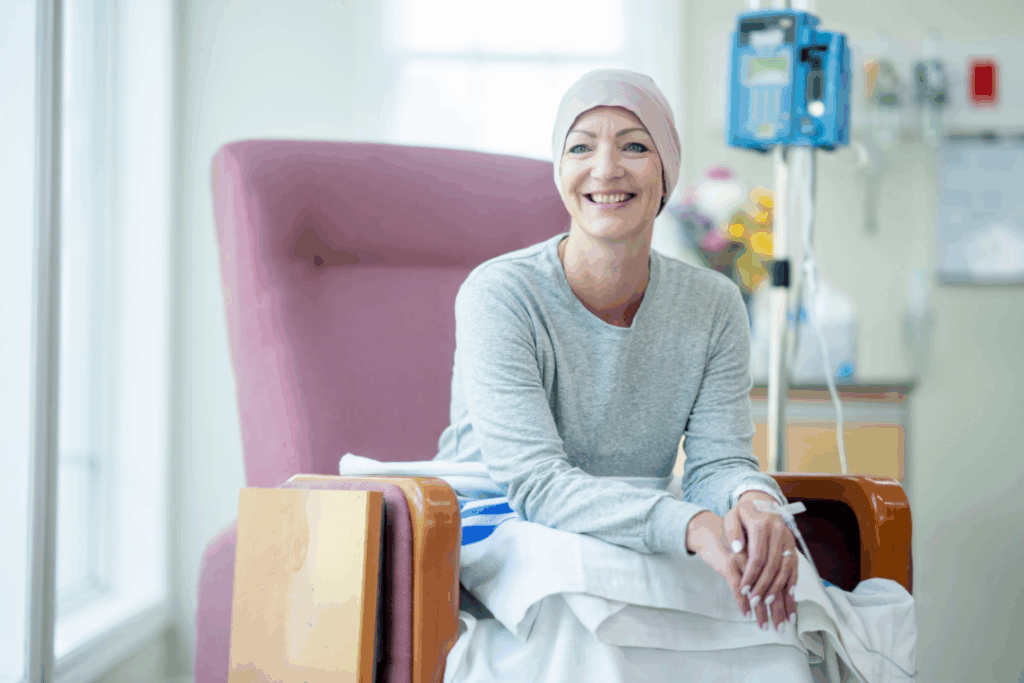
Cancer is one of the leading causes of death worldwide, affecting people of all ages, genders, and backgrounds. Despite advancements in medicine, the word “cancer” still brings fear and uncertainty to many.
According to the World Health Organization (WHO), cancer was responsible for approximately 10 million deaths in 2020, making it the second leading cause of death globally. The most common types are lung, breast, colon, rectum, and prostate cancers. In Singapore, cancer accounts for 1 in 3 deaths, and the Ministry of Health (MOH) has identified it as a top national health priority.
But what exactly is cancer? Is it a single disease, or many? Can anyone get it? And what signs should you look out for?
Cancer is a complex group of diseases that occurs when abnormal cells in the body grow uncontrollably and have the potential to spread to other parts. Unlike normal cells that follow a regulated life cycle (grow, divide, and die), cancerous cells avoid programmed cell death and continue to divide, often forming tumors or interfering with normal body functions.
In biological terms, cancer is the result of genetic mutations in the DNA of cells. These mutations can disrupt the normal cell cycle, leading to uncontrolled cell division. As these abnormal cells multiply, they can form a mass of tissue known as a tumor (except in blood cancers like leukemia).
The key characteristics of cancer cells, known in biology as the “hallmarks of cancer,” include:
These biological changes are what allow cancer cells to grow, invade nearby tissues, and spread to distant organs, a process called metastasis.
In medical terms, cancer is defined as a disease in which some of the body’s cells grow uncontrollably and spread to other parts of the body. This definition is used by trusted health organizations such as the Centers for Disease Control and Prevention (CDC) and World Health Organization (WHO).
Cancer is classified based on:
Cancer affects the body in many ways, and the effects can vary depending on the type, stage, and location of the disease. Here’s how cancer disrupts normal body functions:
Destroys healthy tissues: Tumors can invade nearby organs, bones, or tissues, causing pain and loss of function.
Weakens the immune system: Some cancers and cancer treatments (like chemotherapy) suppress the immune response, making patients more vulnerable to infections.
Disrupts normal body processes: For example, a tumor in the brain may affect speech or movement, while lung cancer can interfere with breathing.
Causes fatigue and weight loss: Cancer cells consume a lot of the body’s energy, and the immune system’s response to cancer can produce chronic inflammation.
Metastasis (spread): Once cancer spreads to distant organs (like bones, liver, or brain), it becomes much harder to treat and often leads to severe complications or death.
Yes, cancer is considered a disease, and more accurately, it refers to more than 100 different diseases that can occur almost anywhere in the body. According to the World Health Organization (WHO) and Centers for Disease Control and Prevention (CDC), cancer refers to a broad category of diseases that involve abnormal and uncontrolled cell growth with the potential to invade or spread to other parts of the body.
Unlike infections that are caused by bacteria or viruses, cancer is non-communicable, meaning it cannot be spread from person to person. It often develops over time due to a combination of genetic, lifestyle, and environmental factors.
Cancer does not have a single cause. Instead, it usually develops due to a combination of genetic, environmental, and lifestyle factors that damage the DNA in our cells over time. These mutations disrupt normal cell regulation, allowing abnormal cells to grow and divide uncontrollably.
There are several scientifically proven causes and risk factors associated with cancer. These can be categorized into external (environmental and lifestyle-related) and internal (genetic and biological) causes:
Lifestyle and Environmental Factors (External Causes)
Biological and Genetic Factors (Internal Causes)
While having one or more risk factors increases your chances, it does not guarantee you will develop cancer. Similarly, some people with no known risk factors still develop cancer.
Yes, anyone can get cancer, regardless of age, gender, lifestyle, or background. However, some people are at higher risk due to specific factors.
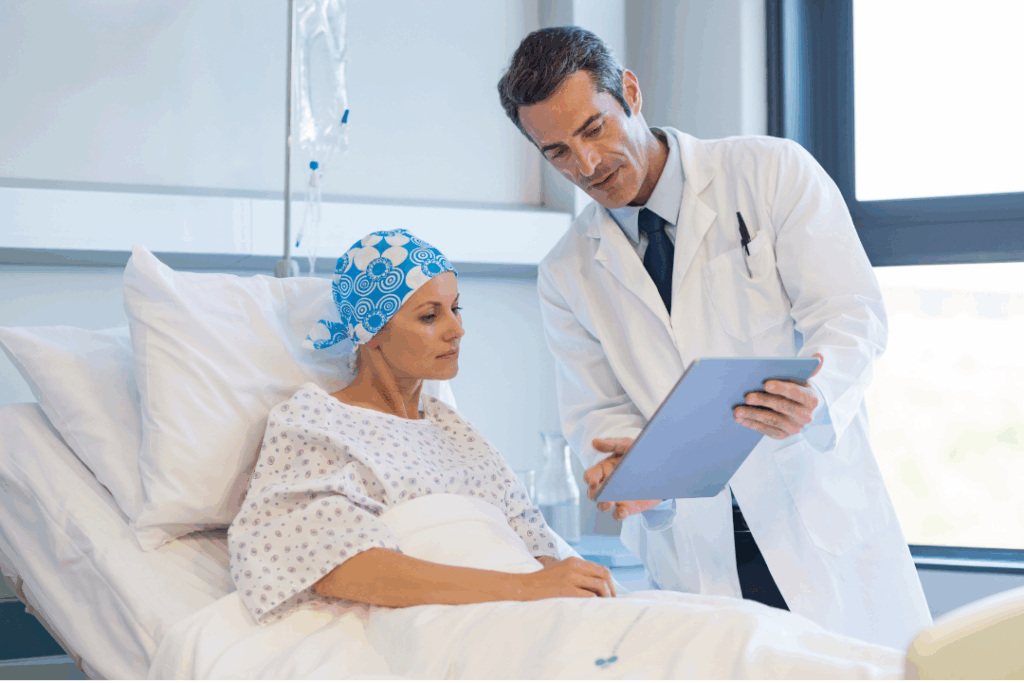
High-Risk Groups Include:
In Singapore, 1 in 4 people may develop cancer in their lifetime, according to the Singapore Cancer Registry. This highlights that while no one is immune, being informed and proactive about regular screenings and healthy habits can make a significant difference.
Cancer comes in many forms, with over 100 known types affecting various organs and tissues in the body. These types are generally grouped based on where the cancer starts and what kind of cells are involved. The major categories include carcinomas (affecting organs and skin), sarcomas (in bones or muscles), leukemias (in the blood), lymphomas (in the lymphatic system), and brain or spinal cord tumors.
Among the most common cancers worldwide are breast, lung, colorectal, prostate, and stomach cancers. In Singapore, colorectal and breast cancer are among the top diagnoses. Each type of cancer can behave very differently — some grow slowly and are easier to treat, while others spread aggressively and require intensive care.
Understanding the different types of cancer is key to choosing the right treatment. Doctors often look at both the organ of origin and the cell type to guide therapy. With the rise of personalized medicine, cancer care is increasingly tailored to the individual, offering better outcomes and more precise management.
Cancer symptoms can vary widely depending on the type of cancer and how advanced it is. In the early stages, some cancers may cause no noticeable symptoms, which is why regular screenings are important. As the disease progresses, symptoms often become more apparent and can affect general health and organ function.
Cancer is typically classified into four main stages (Stage 1 to Stage 4) based on how far the cancer has spread:
Some cancers also have a Stage 0, referring to carcinoma in situ, where abnormal cells are present but haven’t invaded deeper tissues.
Early Stages (1-2): Symptoms may be mild or absent. Possible signs include lumps, unusual bleeding, persistent cough, or changes in bowel habits depending on the cancer type.
Intermediate Stages (2-3): Symptoms become more noticeable such as pain, weight loss, fatigue, or swelling. Localized symptoms like difficulty swallowing (esophageal cancer) or skin changes (melanoma) may appear.
Advanced Stage (4): Symptoms are more severe and widespread, including severe pain, organ dysfunction, fatigue, and systemic effects like anemia or infections.
According to the American Cancer Society, recognizing symptoms early and seeking medical advice can greatly improve treatment success and survival rates.
If you’re concerned about any persistent symptoms, you can easily book a teleconsultation with a licensed doctor through the MaNaDr App — from the comfort of your home. It’s a safe and convenient first step to get professional medical advice, understand your risks, and decide if further tests are needed.
Receiving a cancer diagnosis can be overwhelming, emotionally, mentally, and physically. It’s natural to feel fear, confusion, or even denial. But the most important thing to remember is: you’re not alone, and support is available.
Understand Your Diagnosis
Ask your doctor detailed questions about the type, stage, and treatment options for your cancer. Understanding the condition helps you make informed decisions and prepares you for what to expect.
Explore Treatment Options
Cancer treatment often involves one or a combination of the following: surgery, chemotherapy, radiation therapy, targeted therapy, immunotherapy, or hormonal therapy. The best treatment plan depends on the type, stage, and your overall health. Always seek a second opinion if needed.
Take Care of Your Mental and Emotional Health
It’s common to feel anxious or depressed after a cancer diagnosis. Don’t hesitate to reach out to a therapist, counselor, or cancer support group. Emotional support plays a huge role in recovery and quality of life.
Focus on Lifestyle and Nutrition
Good nutrition, adequate sleep, regular physical activity, and stress management all help your body cope better with treatment and promote recovery.
Cancer is a serious disease, but early action can make a significant difference. If you have symptoms or have been recently diagnosed, reach out for help early. You can start by booking a trusted teleconsultation via the MaNaDr App, where licensed doctors are available to guide you every step of the way.