


Chlamydia is a common sexually transmitted infection (STI) that often presents with no symptoms, making it a silent threat to reproductive health. Understanding what is chlamydia, how it’s transmitted, and its potential impact is crucial for prevention and timely chlamydia treatment. This comprehensive guide will explore the nuances of chlamydia symptoms in both men and women, explain how to get tested, discuss effective chlamydia medication options, and offer practical advice on protecting yourself.
Chlamydia is an infection caused by the bacterium Chlamydia trachomatis. It’s one of the most widespread bacterial STIs globally. Often referred to as “the silent epidemic,” a significant percentage of individuals with a chlamydia infection are asymptomatic, meaning they experience no obvious chlamydia symptoms. This lack of clear signs of chlamydia makes it particularly insidious, as untreated infections can lead to serious long-term health complications, especially concerning fertility.

Understanding how chlamydia is spread is fundamental to prevention. The primary mode of chlamydia transmission is through sexual contact involving the exchange of bodily fluids. This includes:
It’s important to clarify what does not transmit chlamydia. You cannot get chlamydia without having sex through casual contact such as hugging, kissing, sharing food or drinks, using public restrooms, or sitting on toilet seats. The bacteria cannot survive for long outside the human body. This addresses the common question of how can you get chlamydia in non-sexual ways – the answer is overwhelmingly that you cannot.
Chlamydia can affect anyone who is sexually active, regardless of gender or sexual orientation. However, certain demographics and behaviors put individuals at higher risk.
Understanding how do people get chlamydia involves recognizing these risk factors, which empower individuals to make informed decisions about their sexual health.
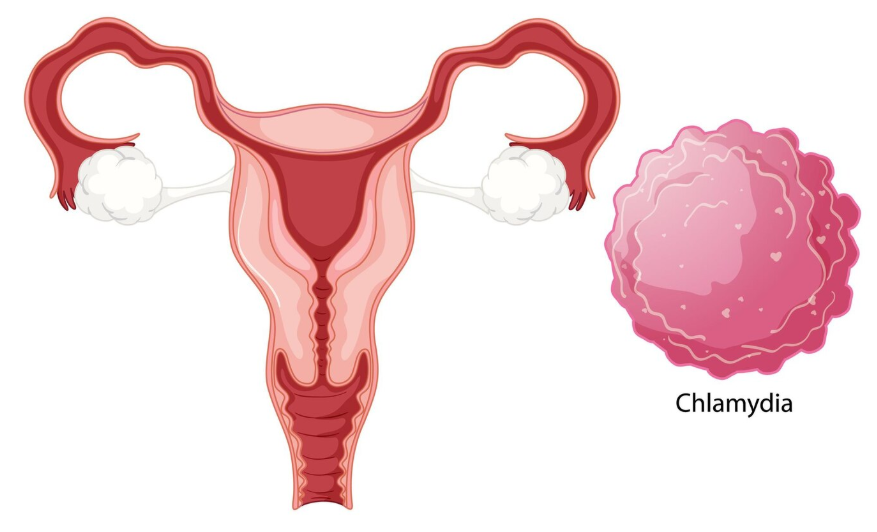
Chlamydia is remarkably common, earning its reputation as “the silent epidemic” due to its high prevalence and often asymptomatic nature.
Chlamydia symptoms can vary significantly between men and women, and as mentioned, many people experience no chlamydia symptoms at all. When symptoms do appear, they typically emerge 1 to 3 weeks after exposure, but they can sometimes take longer.
Chlamydia is caused by the bacterium Chlamydia trachomatis. The primary mode of chlamydia transmission is through sexual contact involving the exchange of bodily fluids. This includes vaginal, anal, and oral sex. An infected pregnant person can also transmit chlamydia to their baby during vaginal delivery.
While chlamydia can often be silent, if chlamydia symptoms do appear, they are the body’s initial signs that something is amiss. These early signs often indicate inflammation or irritation at the site of infection (e.g., urethra, cervix, rectum). Understanding these general and initial signs is key to prompting further investigation.
The clinical signs of chlamydia are distinct between genders when they manifest.
For women, chlamydia symptoms women can be subtle or entirely absent, which is why it often goes undetected. When symptoms are present, they may include:
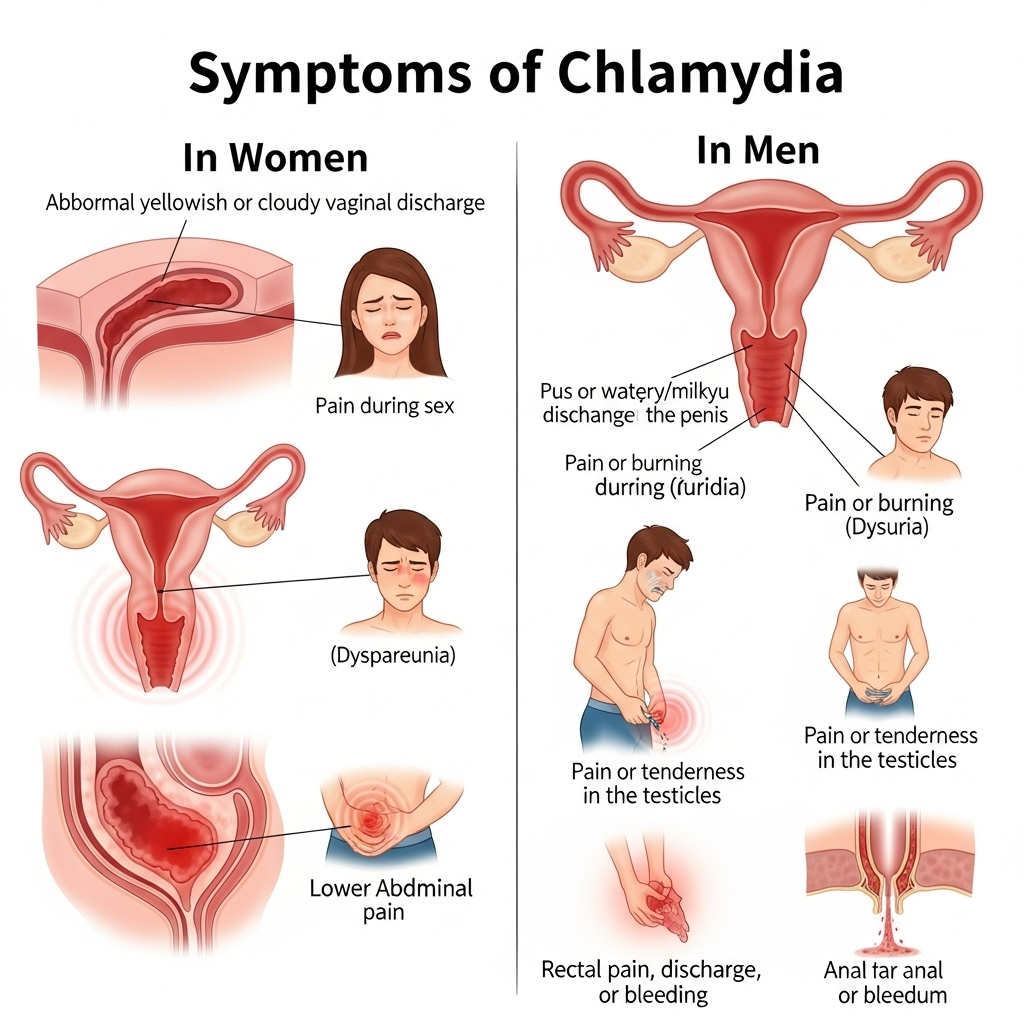
Similar to women, chlamydia symptoms male are often mild or nonexistent. When chlamydia in men does cause symptoms, they may include:
It’s important to clarify what does not transmit chlamydia. You cannot get chlamydia without having sex through casual contact such as hugging, kissing, sharing food or drinks, using public restrooms, or sitting on toilet seats. The bacteria cannot survive for long outside the human body, so everyday contact does not transmit the infection.
A critical aspect of chlamydia is its often asymptomatic nature. Many people can have chlamydia for months or even years without experiencing any symptoms of chlamydia. This silent presence means the infection can cause significant internal damage to the reproductive system before it’s ever detected. This long asymptomatic period contributes to its widespread prevalence and the potential for severe long-term complications, such as Pelvic Inflammatory Disease (PID) in women and, rarely, infertility in both genders.
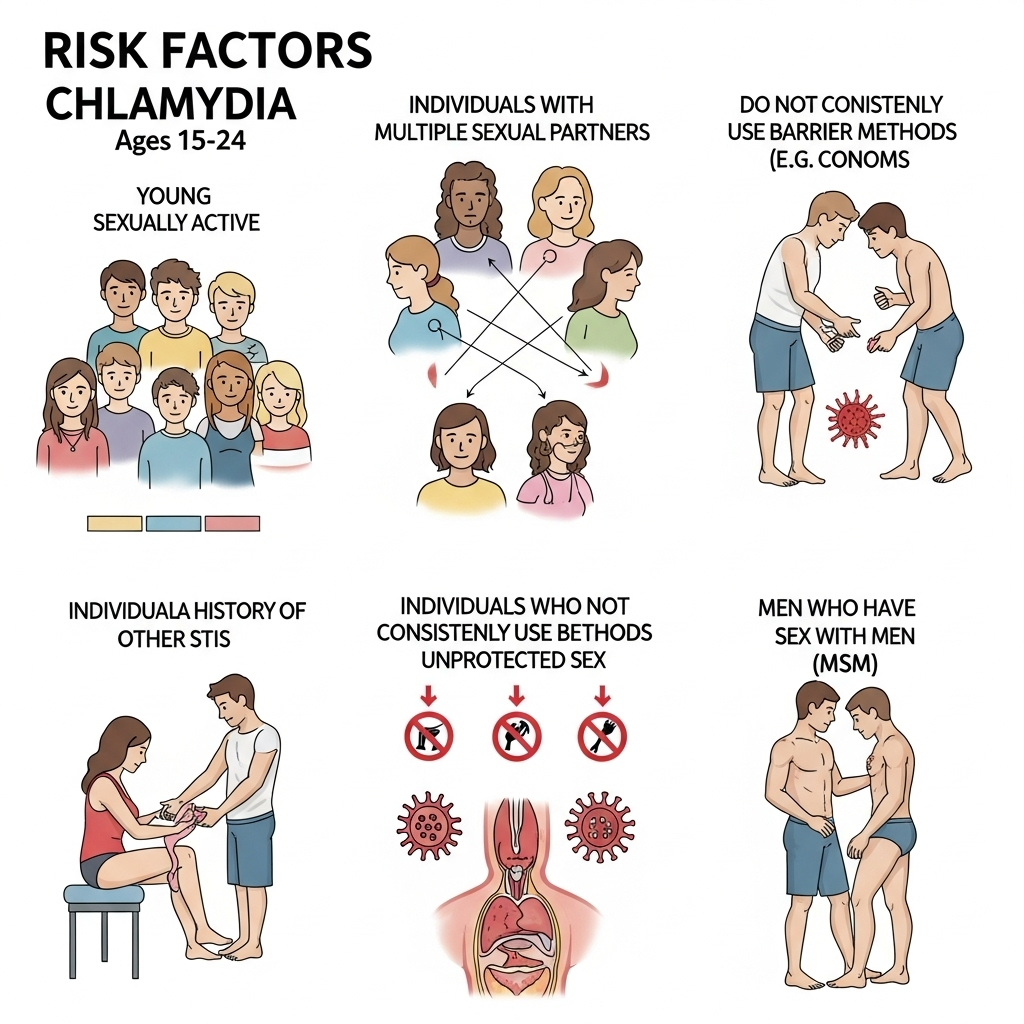
Certain demographics and behaviors put individuals at higher risk for chlamydia. Understanding these risk factors is crucial for knowing who should prioritize regular screening.
Expert Insight: A common myth persists that “if you don’t have any noticeable symptoms, you can’t have an STI like chlamydia.” However, public health experts emphasize the crucial fact that chlamydia is often asymptomatic. This means many infected individuals experience no obvious signs, which is precisely why universal screening guidelines for at-risk populations are paramount, not just symptom-based testing. The silent nature of chlamydia makes it uniquely dangerous for long-term reproductive health, as damage can occur without any alarm bells (Centers for Disease Control and Prevention, n.d)
Given that signs of chlamydia are frequently absent, testing is the only definitive way to know if you have the infection. How do you know if you have chlamydia? If you are sexually active, especially with multiple partners, or if your partner has tested positive for an STI, you should get tested.
The CDC recommends annual chlamydia screening for:
How long can you have chlamydia before it causes damage? Without treatment, chlamydia can persist for months or even years, silently causing damage to the reproductive system. The longer it goes untreated, the higher the risk of complications like PID, chronic pain, and infertility.
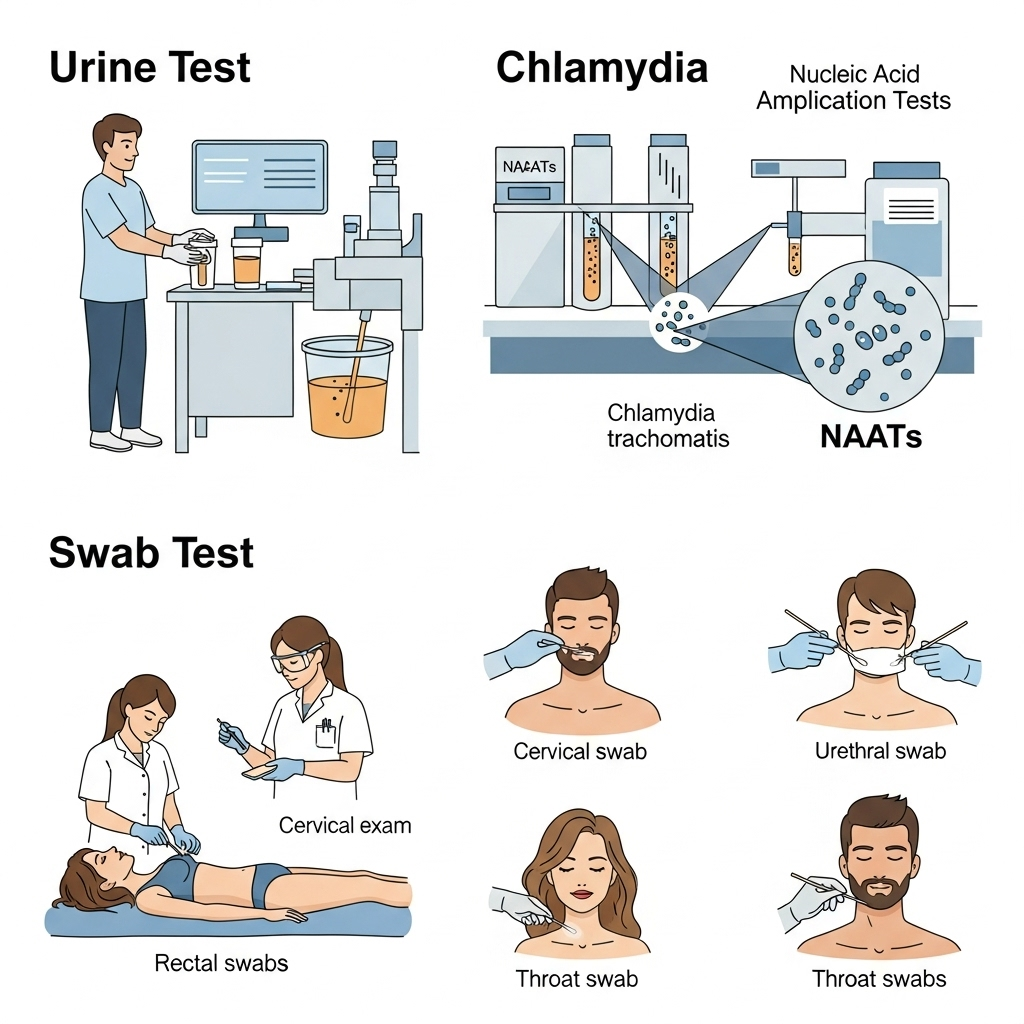
Testing for chlamydia is quick and straightforward, usually involving a urine sample or a swab.
How long does it take for chlamydia to show up on a test? It typically takes about 5 to 10 days after exposure for the infection to be detectable by current testing methods. It’s advisable to wait at least a week after potential exposure before getting tested to ensure accurate results.
Expert Insight: A prevalent myth suggests that individuals only need to get tested for chlamydia if they have multiple sexual partners or engage in “risky” behaviors. The fact is, experts universally agree that if you are sexually active with even one new partner whose STI status is unknown, you are at risk. It takes just one encounter to contract chlamydia, and since it’s so often asymptomatic, routine screening for sexually active individuals is a crucial part of responsible sexual health, regardless of the number of partners. (See: Centers for Disease Control and Prevention, Chlamydia – CDC Fact Sheet).
Feeling unsure if you need to be tested for chlamydia or want to discuss your sexual health privately? MaNaDr offers AI-Powered Teleconsultations connecting you with qualified doctors instantly for confidential discussions about your concerns.
The good news is that chlamydia is curable with antibiotics. Is chlamydia treatable? Absolutely! Chlamydia medication is highly effective, and treatment for chlamydia is typically a single dose or a short course of oral antibiotics.
The most common and effective chlamydia treatments include:
Can chlamydia be cured? Yes, with proper antibiotic treatment, chlamydia can be completely cured. It’s essential to follow your doctor’s instructions precisely and finish all prescribed medication.
Can you get rid of chlamydia? Yes, with the right antibiotics. How long does chlamydia last without treatment? It can persist for months or years, leading to the complications mentioned earlier. Will chlamydia go away on its own or can chlamydia go away on its own? No, chlamydia will not go away without medical treatment. It requires antibiotics to be cured. How to cure chlamydia without going to the doctor? You cannot. Self-treating or ignoring symptoms is dangerous and can lead to severe complications. Always seek professional medical advice.
Need to discuss your chlamydia treatment options or have questions about next steps? MaNaDr allows you to chat in real time and send photos or videos with our trusted doctors, receiving online doctor consultation immediately about any medical issues without ever leaving your home.
Prevention is key when it comes to STIs like chlamydia. Taking proactive steps can significantly reduce your risk of contracting or transmitting the infection.

As discussed, many individuals with chlamydia are asymptomatic. Regular STI screening, especially for sexually active individuals, is vital for early detection and treatment. Don’t wait for signs of chlamydia infection to appear; proactive testing is crucial. This is particularly important for those in high-risk groups, such as sexually active women under 25, who should be screened annually. Early detection helps prevent long-term complications and stops further spread.
Having honest and open conversations with your sexual partners about sexual health and STI testing is essential. This helps build trust and ensures that both partners are taking responsibility for their sexual health. Discussing previous sexual history, recent STI test results, and expectations for safe practices can help both individuals make informed decisions about protecting themselves.
How do people get chlamydia? Anyone who is sexually active can get chlamydia. However, certain factors increase your risk:
The global burden of chlamydia remains substantial. Recent data from the World Health Organization (WHO) highlights that while access to diagnosis and treatment has improved in some areas, significant disparities remain, particularly in low-income countries where resources for screening and chlamydia medication may be limited. This contributes to the silent spread and long-term health consequences. The CDC continues to monitor rising STI rates, including chlamydia, emphasizing the ongoing need for public health campaigns, accessible testing services, and expedited partner therapy (where allowed) to break cycles of reinfection. These ongoing challenges underscore the importance of individual vigilance and public health initiatives.
Chlamydia, though often silent, is a serious STI that can have significant consequences if left untreated, particularly concerning fertility. Understanding what is chlamydia, recognizing potential chlamydia symptoms men and chlamydia symptoms female, and knowing how do you get chlamydia are the first steps toward prevention. Regular testing, especially if you are sexually active, and prompt chlamydia treatment with antibiotics are essential for protecting your health and preventing further transmission.
Remember, is chlamydia curable? Yes, it is! Don’t delay seeking medical attention if you suspect you might have been exposed or if you have any concerns about your sexual health. Early detection and treatment can prevent severe complications and help you maintain your reproductive health.
Need a discreet and convenient way to address your health concerns?
With MaNaDr – AI-Powered Teleconsultations, you can connect with qualified doctors instantly through our AI-powered platform that matches you with the right specialist. Connect with our online doctors 24/7 with MaNaDr. Our app allows you to chat in real time and send photos or videos with our trusted doctors. Receive online doctor consultation immediately about any medical issues without ever leaving your home. Take control of your sexual health today.
Disclaimer: This article is for informational purposes only and does not constitute medical advice. Always consult with a qualified healthcare professional for diagnosis and treatment of any medical condition.