Diverticulitis: Causes, Symptoms & Treatment- Everything You Need to Know - Manadr
Diverticulitis: Causes, Symptoms & Treatment- Everything You Need to Know
MaNaDr2022-05-25
Diverticulitis, a common digestive condition, is the inflammation or infection of small pouches (diverticula) that can form in the lining of the large intestine. Often confused with its precursor, diverticulosis, diverticulitis can cause significant pain and, if left untreated, lead to serious complications. Understanding the signs of a flare-up is crucial for timely intervention.
1. What Exactly Is Diverticulitis?
To understand this prevalent digestive condition, it’s essential to grasp its fundamental definition and the anatomical context in which it occurs. Many people are familiar with the term “diverticulitis” but may not know its precise meaning.
1.1. Defining Diverticulitis
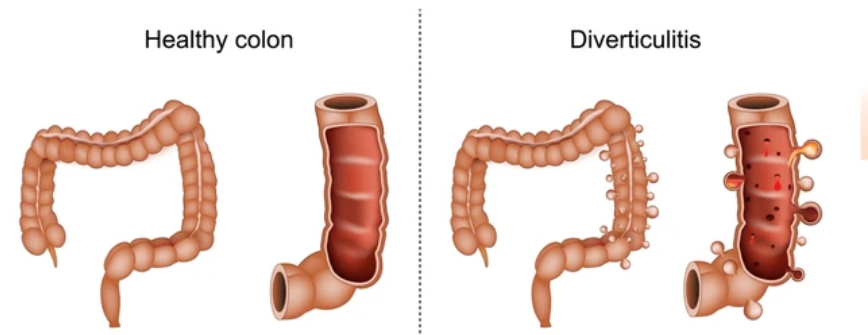
Diverticulitis is a condition in which small, bulging pouches, called diverticula, that form in the lining of the digestive tract—most commonly the colon—become inflamed or infected. The presence of these pouches is a separate condition called diverticulosis. When one or more of these pouches become inflamed, it leads to diverticulitis.
1.2. Diverticulosis vs. Diverticulitis
It’s a crucial distinction to make, as these two conditions are often confused:
Diverticulosis: This describes the presence of diverticula (the small pouches) in the lining of the colon. It is a very common condition, especially with age, and often causes no symptoms. It is generally not considered dangerous on its own, but it is the prerequisite for diverticulitis.
Diverticulitis: This is when the diverticula become infected or inflamed. This is the condition that causes painful symptoms and requires medical attention.
Therefore, you can have diverticulosis without ever developing diverticulitis.
1.3. Where Does Diverticulitis Occur?
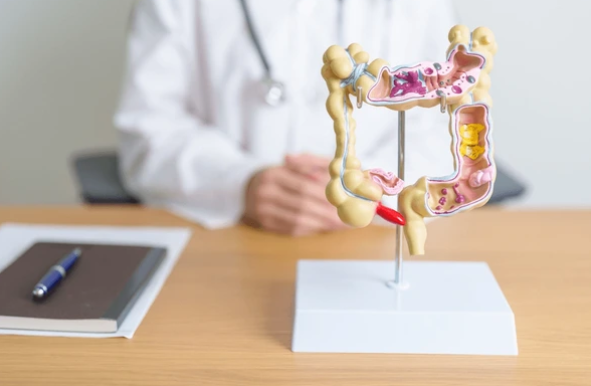
While diverticula can form anywhere in the colon, they are most common in the lower part of the large intestine, particularly the sigmoid colon. This is why the main symptom of diverticulitis—abdominal pain—is most often felt in the lower left side of the abdomen. The term “colonic diverticulitis” specifies the location of the disease.
1.4. How Common is Diverticulitis? (Prevalence & Impact)
Diverticulitis and diverticulosis are incredibly common conditions, with prevalence increasing significantly with age.
Prevalence: Diverticulosis affects more than 50% of individuals over the age of 60 in Western countries (National Institute of Diabetes and Digestive and Kidney Diseases – NIDDK/NIH). Of those with diverticulosis, about 10% to 25% will eventually develop diverticulitis during their lifetime.
Impact:Diverticulitis can be a debilitating condition that causes significant pain, discomfort, and can lead to hospitalization. According to the American Gastroenterological Association (AGA), it results in millions of outpatient visits and hundreds of thousands of hospitalizations annually in the United States alone.
2. What Are the Symptoms and Signs of Diverticulitis?
Recognizing the diverticulitis symptoms is crucial for early treatment and preventing serious complications. A diverticulitis flare up is a period of active inflammation that presents with distinct signs. For many, the question is, “what does diverticulitis feel like?”
2.1. The Main Symptom: Abdominal Pain
The primary and most common symptom of diverticulitis is abdominal pain.
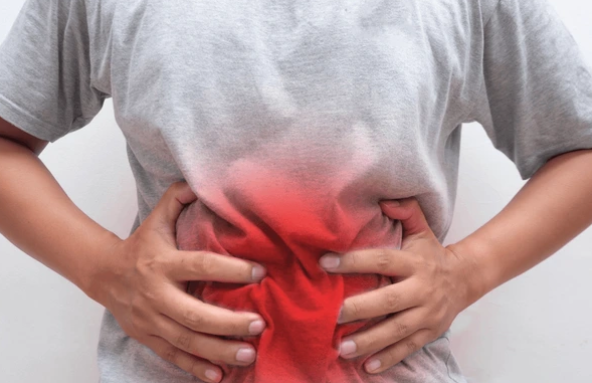
Pain Location: The diverticulitis pain location is most often in the lower left side of the abdomen, as the majority of diverticula are in the sigmoid colon. This pain can also be felt in the lower right abdomen, but that is less common.
Pain Characteristics: The pain can be constant and often worsens with movement or pressure. It can be a dull ache or a sharp, severe pain. This is typically “what does a diverticulitis attack feel like.”
Pain Relief: The pain typically does not improve with bowel movements or passing gas. It often requires medication and rest to subside.
2.2. Other Common Signs
A diverticulitis flare up rarely involves just pain. Other accompanying signs often indicate an ongoing infection or inflammation:
Fever and Chills: A low-grade fever and chills are common signs of infection.
Nausea and Vomiting: Gastrointestinal distress including nausea and, in some cases, vomiting.
Changes in Bowel Habits: This can include constipation (the most common change) or, less frequently, diarrhea.
Bloating: A feeling of fullness or bloating in the abdomen.
Tenderness to Touch: The abdomen may feel tender and painful to the touch.
2.3. Pain and Symptoms of a Flare-up
A diverticulitis flare up can come on suddenly and with great intensity.
Onset: A flare-up often begins with a sudden onset of abdominal pain that may be accompanied by a fever.
Pain Relief: The goal of immediate treatment is to reduce this pain and clear the infection, thereby stopping the flare-up.
Back Pain: The pain from diverticulitis can sometimes radiate to the back, as the inflamed colon can press on nerves or other structures in the area. While “diverticulitis symptoms back pain” can occur, it’s a less common presentation.
2.4. When to Seek Medical Attention
While many cases of diverticulitis are mild and can be managed at home, it’s crucial to know when to seek medical attention immediately:
Severe or Worsening Abdominal Pain: If the pain is severe and comes on suddenly, or if it progressively worsens.
Persistent Fever: A fever that is high or does not subside with treatment.
Inability to Keep Fluids Down: Persistent nausea or vomiting that puts you at risk of dehydration.
Signs of Complications: Blood in your stool, rigid or tender abdomen, or symptoms of a complication like a blockage or perforation (see section on complications).
Expert Answer:Diverticulitis often feels like a sudden onset of persistent abdominal pain, most commonly in the lower left side of the abdomen. This pain can be a dull ache or a sharp cramping sensation and is often accompanied by fever, chills, and a change in bowel habits like constipation or diarrhea. The pain usually doesn’t subside with passing gas or having a bowel movement. (American Gastroenterological Association – AGA).
Q: Can diverticulitis pain cause back pain?
Expert Answer: Yes, diverticulitis pain can sometimes cause referred pain or diverticulitis symptoms back pain. The sigmoid colon, where most diverticula are located, is in the lower left side of the abdomen. Inflammation in this area can irritate nerves or other structures that radiate pain to the lower back, particularly on the left side. While this is possible, any new back pain should be evaluated by a doctor to rule out other causes. (World Gastroenterology Organisation – WGO).
If you are experiencing any of these persistent or severe diverticulitis symptoms, particularly pain, MaNaDr offers a discreet and convenient way to consult with online doctors 24/7 to discuss your concerns and get guidance.
3. What Causes Diverticulitis?
Understanding what causes diverticulitis is complex, as it is a result of multiple interacting factors. The condition itself, diverticulosis, is often seen as the precursor to diverticulitis, but not all who have diverticulosis will get the inflamed version. This helps address “what causes diverticulitis flare up” and “what are the main causes of diverticulitis.”
3.1. Underlying Causes: Diverticulosis
The primary prerequisite for diverticulitis is the presence of diverticula (diverticulosis).
Diverticula Formation: These small pouches form when weak spots in the muscular wall of the colon give way under pressure, causing the inner lining to bulge out.
Inflammation:Diverticulitis is caused when one or more of these pouches become inflamed or infected. This can happen when bacteria or fecal matter get trapped in the pouch, creating an environment for infection to thrive.
3.2. Risk Factors
Certain factors are believed to increase the risk of developing diverticula (diverticulosis) and, subsequently, diverticulitis:
Age: The risk of developing diverticula increases significantly with age. The vast majority of people with diverticulosis are over 60 years old.
Low-Fiber Diet: A diet low in fiber (which is found in fruits, vegetables, and whole grains) is a major risk factor. A low-fiber diet can lead to hard stools and constipation, increasing pressure on the colon walls during bowel movements and promoting diverticula formation.
Obesity: Being overweight or obese, especially with a higher BMI, is strongly associated with an increased risk of developing diverticulitis.
Physical Inactivity: A sedentary lifestyle can contribute to constipation and increase the risk. Regular exercise is linked to a lower risk.
Smoking: Smoking is associated with an increased risk of complications from diverticulitis.
Genetics: There is evidence of a genetic predisposition, with the condition sometimes running in families, addressing “is diverticulitis hereditary” to a degree.
Expert Answer: No, the pouches of diverticulosis are permanent once they form. However, a high-fiber diet, hydration, and regular exercise can help prevent these pouches from becoming inflamed and infected, thus preventing diverticulitis. So, while the underlying condition doesn’t disappear, its symptoms and severity can be effectively managed. (National Institute of Diabetes and Digestive and Kidney Diseases – NIDDK/NIH).
4. How Is Diverticulitis Treated?
The goal of diverticulitis treatment is to reduce inflammation, clear any infection, and relieve symptoms. The approach depends on the severity of the condition, whether it is a mild diverticulitis episode or a more complicated case.
4.1. Goals of Treatment
The primary goals when treating diverticulitis are to:
Rest the Colon: To reduce strain and allow the inflamed bowel to heal.
Clear Infection: To eliminate any bacterial infection with medication.
Prevent Complications: To avoid more serious issues like abscesses, perforations, or fistulas.
Manage Pain: To provide effective relief from diverticulitis pain.
4.2. Treatment for Uncomplicated Diverticulitis
Most cases of diverticulitis are uncomplicated and can be managed at home under a doctor’s care.
Dietary Management: A period of a clear liquid diet (e.g., water, broth, juice) to rest the colon is often the first step. As symptoms improve, a low-fiber diet is introduced, followed by a gradual reintroduction of a high-fiber diet once the inflammation has subsided.
Antibiotics: If a bacterial infection is suspected, your doctor will prescribe diverticulitis medication to clear it.
Pain Relief: Your doctor will likely recommend over-the-counter pain relievers like acetaminophen to manage diverticulitis pain. NSAIDs (e.g., ibuprofen) are generally avoided as they can increase the risk of complications.
4.3. Treatment for Complicated Diverticulitis
Complicated cases of diverticulitis (e.g., with an abscess, perforation, or significant bleeding) often require hospitalization.
IV Antibiotics: Antibiotics are administered intravenously in the hospital.
Drainage: An abscess may need to be drained with a needle under imaging guidance.
Surgery: In cases of perforated diverticulitis, a complete bowel obstruction, or severe bleeding, surgery to remove the affected part of the colon may be necessary. This procedure is called a bowel resection or colectomy.
Expert Answer: An acute diverticulitis flare up typically lasts for a few days to a week with appropriate diverticulitis medication and dietary changes. The time needed for full recovery, including the return to a normal diet, can take several weeks. Without treatment, the condition will not likely resolve on its own and may worsen significantly. (American Gastroenterological Association – AGA).
Q: What is the best diet for diverticulitis?
Expert Answer: During an acute flare-up, the best diet is a clear liquid diet to rest the colon. As symptoms improve, a low-fiber diet is recommended for a few weeks. For long-term prevention, a high-fiber diet rich in fruits, vegetables, and whole grains is considered the most effective way to prevent future episodes of diverticulitis by promoting healthy bowel movements and reducing pressure on the colon. (National Institute of Diabetes and Digestive and Kidney Diseases – NIDDK/NIH).
If you are concerned about diverticulitis pain, are experiencing a flare-up, or need to discuss management options, MaNaDr offers a discreet and convenient platform to connect with online doctors 24/7 for expert consultations and personalized guidance.
5. Can Diverticulitis Be Cured?
For many individuals living with this condition, the question “is diverticulitis curable?” is a source of hope. The answer is nuanced and depends on the distinction between the underlying disease (diverticulosis) and the inflammation (diverticulitis).
5.1. Is Diverticulitis Curable?
The underlying condition of diverticulosis (the presence of pouches) is generally considered permanent. However, an acute episode of diverticulitis (the inflammation) can be effectively “cured” with medication and rest. The goal is to manage the underlying diverticulosis to prevent future episodes of inflammation.
Can diverticulitis be cured? Yes, an acute flare-up of diverticulitis can be cured with treatment.
Can diverticulosis go away? No, the pouches of diverticulosis are permanent.
5.2. Preventing Future Flares (The Key to Management)
While you cannot make the diverticula disappear, you can effectively manage the condition to prevent future episodes of inflammation. This is the key to long-term well-being and is often what individuals mean when they ask “how to cure diverticulosis.”
High-Fiber Diet: A high-fiber diet is the most important long-term management strategy for individuals with diverticulosis. It helps keep stools soft and regular, reducing pressure on the colon walls.
Exercise and Hydration: Regular physical activity and drinking plenty of water also promote healthy bowel function and reduce the risk of flares.
5.3. Surgical Options for Recurrent Diverticulitis
In cases of recurrent, severe, or complicated diverticulitis, surgery may be recommended to provide a more permanent solution.
Bowel Resection: A surgeon removes the affected part of the colon (e.g., the sigmoid colon) where the diverticula are located and reconnects the healthy sections. This procedure aims to prevent future episodes in that specific section of the bowel.
Expert Answer: While most cases are not life-threatening, diverticulitis can kill you if complications like a colon perforation (a hole in the colon wall) or a large abscess are left untreated. These complications can lead to a severe infection of the abdomen (peritonitis) or widespread blood poisoning (sepsis), which can be fatal. Prompt medical attention is crucial, especially for severe diverticulitis symptoms. (World Gastroenterology Organisation – WGO).
6. What Are Diverticulitis Complications?
Diverticulitis is a serious condition because of its potential for complications if the infection and inflammation are not controlled. Understanding these risks highlights why prompt treatment of diverticulitis is so critical.
6.1. The Danger of Untreated Diverticulitis
If left untreated, a small infection in a diverticulum can spread, leading to a variety of complications. The risk of these complications is what makes diverticulitis a serious medical condition.
6.2. Common Complications
Abscess: A pocket of pus that forms outside the colon wall, often near the infected diverticulum.
Phlegmon: A mass of inflamed tissue and pus that can form in the colon wall.
Fistula: An abnormal tunnel or connection that forms between the colon and another organ, such as the bladder, vagina, or a nearby loop of intestine.
Bowel Obstruction: Inflammation and scarring can cause a narrowing of the colon, leading to a blockage that prevents the passage of stool.
Perforation: The inflamed diverticulum can rupture, causing a hole in the colon wall. This is a life-threatening complication, as it allows bowel contents to leak into the abdominal cavity, causing a severe infection (perforated diverticulitis).
Bleeding: A blood vessel in an inflamed diverticulum can rupture, leading to severe rectal bleeding.
Q: What is the average hospital stay for diverticulitis?
Expert Answer: The average hospital stay for diverticulitis varies based on the severity of the case. For uncomplicated diverticulitis, patients are often treated as outpatients. For complicated cases (e.g., with abscesses, perforations, or severe symptoms), hospitalization is required, and the average stay can be anywhere from 2 to 7 days, depending on the complications and the patient’s response to treatment. (General Medical Consensus).
Conclusion
Diverticulitis is a common but manageable condition that arises from the inflammation of small pouches in the colon. Understanding what is diverticulitis, recognizing its primary diverticulitis symptoms (like lower abdominal pain), and knowing its causes are crucial for early diagnosis and effective management. While a flare-up can be painful and potentially lead to serious diverticulitis complications if ignored, the good news is that with prompt diverticulitis treatment, it is highly treatable, and future flares can often be prevented with consistent lifestyle and dietary changes.
Don’t let uncertainty or a painful flare-up go unaddressed. If you are experiencing any concerning digestive symptoms or suspect you may have diverticulitis, seeking timely medical advice is the most important step you can take.
Disclaimer: This article is for informational purposes only and does not constitute medical advice. Always consult with a qualified healthcare professional for diagnosis and treatment of any medical condition.