


Sunlight feels good, and a little of it is genuinely good for you – but ultraviolet (UV) radiation is also responsible for some of the most preventable health damage people experience, from sunburn and premature skin ageing to skin cancer. Understanding what UV radiation actually does to your body, and which types matter most, makes it much easier to protect yourself without avoiding the outdoors altogether.

According to the Centers for Disease Control and Prevention, Ultraviolet (UV) radiation is a form of non-ionizing radiation that is emitted by the sun and artificial sources, including tanning beds; mercury vapor lighting (often found in stadiums and school gyms); some halogen, fluorescent, and incandescent lights; some types of lasers.
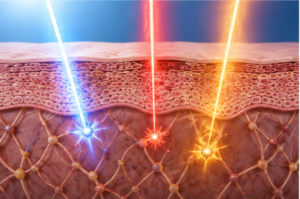
UVA rays (wavelengths of 315-399nm): are the lowest energy among UV rays. These rays can cause skin cells to age and cause some indirect damage to DNA cells. UVA rays mainly damage long-term skin such as wrinkles and can also cause some skin cancers.
UVB rays (wavelengths 280-314nm): have higher energies than UVA rays. They can directly damage the DNA in skin cells and are a major cause of sunburn. They are also thought to be a factor in most skin cancers.
UVC rays (wavelength 100-279nm): react to the ozone layer in the atmosphere and cannot reach the ground, so they are usually not a risk factor for skin cancer. They can come from a number of artificial sources such as arc welding lamps, mercury lamps, UV disinfection bulbs (used to kill bacteria, other germs in water, air, food).
Both UVA and UVB contribute to skin cancer risk, though in different ways. UVB directly damages DNA in skin cells and is considered the primary driver of the mutations that lead to most skin cancers. UVA penetrates more deeply and contributes indirectly, generating oxidative stress that adds to DNA damage over time – this is part of why tanning beds, which emit UVA, are also linked to a higher risk of melanoma, particularly when use starts before age 30. UVC from natural sunlight isn’t a meaningful factor, since it’s blocked by the ozone layer before reaching the ground.
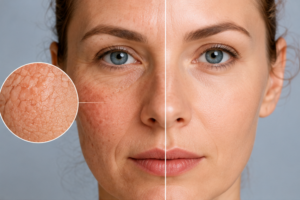
Skin cancer is the most common cancer type overall, according to the U.S. National Cancer Institute. The main types are basal cell carcinoma, squamous cell carcinoma, and melanoma, and UV radiation – whether from sunlight or tanning beds – is the primary driver of the DNA damage behind most cases. Warning signs to watch for include a new or changing mole, a sore that doesn’t heal, a firm lump, or an unusual red or scaly patch of skin – often summarised by dermatologists as the “ABCDE” rule for moles: Asymmetry, Border irregularity, Colour variation, Diameter over 6mm, and Evolving size or shape.
If you notice any of these changes, it’s worth getting it checked rather than waiting, consult a doctor through the MaNaDr app to discuss a new or changing skin spot and get guidance on next steps, including a referral to a dermatologist if needed.
Premature aging is caused by long-term sunlight exposure, which can cause the skin to become thick, wrinkled, and leathery. Ultraviolet rays have the ability to destroy collagen and connective tissue beneath the top layer of the skin, causing wrinkles, brown spots, and loss of skin elasticity. The difference between skin tone, wrinkles, or pigmentation on the underside and the top on the same arm indicates the effect of the sun on the skin. Sunburned skin may look fine in the present, but later the skin will wrinkle, or even cause skin cancer.
Long-term or high-intensity UV exposure can damage the eyes as well as the skin:
Wearing UV-blocking sunglasses is worth treating as seriously as sunscreen, particularly if you spend a lot of time outdoors. If you’re noticing changes in your vision or persistent eye discomfort, it’s worth getting your eyes checked with doctors.
Overexposure to UV radiation has an inhibitory effect on the immune system. Scientists believe that sunburn can alter the distribution and function of white blood cells in humans within 24 hours of sun exposure. This condition is repeated too much with UV radiation that can cause more serious damage to the body’s immune system.

Yes – it isn’t entirely one-sided. UVB exposure triggers vitamin D synthesis in the skin, and sunlight is the primary source of vitamin D for most people, which matters for bone health and several other bodily functions. This doesn’t mean more sun exposure is better, though: most people get sufficient UVB exposure through ordinary daily activities without needing to sunbathe or use a tanning bed, both of which carry the skin and eye risks described above. If you’re concerned about a vitamin D deficiency, dietary sources and supplements are a safer way to address it than deliberately increasing UV exposure – worth discussing with a doctor if you think this applies to you.
Singapore’s National Environment Agency (NEA) publishes a real-time UV Index through its website and the myENV app, updated hourly. The UV Index runs from 0 upward, with higher numbers meaning greater potential for skin and eye damage in less time – UV levels in Singapore are typically highest between 11am and 3pm, and checking the current index can help you decide when extra precautions (or avoiding peak-hour outdoor time) are worthwhile.

The habit of using sunscreen can help you fight UVA and UVB rays from skin damage. The SPF in sunscreen is the level of protection from damage caused by UVB rays, choose a sunscreen with an SPF of 15 or higher.
An SPF of 15 can be understood that your skin if not protected in the sun will take 20 minutes to start redness. When you use SPF 15 sunscreen, the time of redness is 15 times longer than when you do not use the cream which means about 5 hours.
Sunscreens come in a variety of forms, including lotions, creams, ointments, gels, sprays, wipes, and lip balms.
Wear clothing that covers your skin when you’re out in the sun. UV protection is provided in various levels by clothing. The skin is covered and protected most by long-sleeved shirts, long pants, or long skirts. Darker colors offer greater protection than lighter colors. Tightly knit clothing is more protective than loosely woven garments. A dry cloth is often more protective than fabric.
UV-blocking sunglasses are essential for both the sensitive skin around the eyes and the eyes themselves. According to studies, spending long periods of time in the sun without wearing sunglasses increases your risk of developing certain eye illnesses.
The use of tanning beds has been related to an increased risk of melanoma, particularly if it begins before the age of 30. The majority of doctors and health organizations advise against using tanning beds and sun lamps.
Sunburns and suntans cause skin damage and increase your risk of developing skin cancer. UV rays have the strongest intensity between 10 a.m. and 4 p.m, which means you should limit your exposure to this time. Avoiding the sun at its strongest helps you avoid sunburns and suntans that cause skin damage and increase your risk of developing skin cancer.
You should avoid eating a lot of sour, sweet, greasy foods. At the same time, you should add potassium-rich vegetables such as vegetables, jute vegetables. You should also eat vitamin-rich fruits such as strawberries, oranges, apples, and bananas. It is both good for health and protects the skin.
UV radiation can cause sunburn, premature skin ageing, skin cancer, eye damage (including cataracts and photokeratitis), and temporary suppression of immune function.
Both UVA and UVB contribute – UVB directly damages skin cell DNA and is the primary driver, while UVA contributes indirectly through oxidative stress and deeper skin penetration. UVC from sunlight doesn’t reach the ground.
Yes – UVB exposure triggers vitamin D synthesis in the skin, which supports bone health. Most people get enough through everyday activities without needing extra sun exposure or tanning.
Use SPF 30+ sunscreen, wear protective clothing and UV-blocking sunglasses, avoid tanning beds, and limit outdoor exposure during peak UV hours (roughly 11am–3pm in Singapore).
UV radiation is a genuine, well-documented health risk – contributing to skin cancer, premature ageing, eye damage, and immune suppression – but it isn’t purely harmful, given its role in vitamin D production. The most practical approach is sensible protection rather than total avoidance: SPF 30+ sunscreen, protective clothing, checking the UV Index, and limiting exposure during peak hours all meaningfully reduce your risk while still letting you enjoy time outdoors. If you notice any changes to your skin or eyes that concern you, consult a doctor through the MaNaDr app to get it properly assessed.