


Fasting to reduce weight has gained substantial popularity over the past decade, thanks to widespread media coverage, celebrity endorsements, and growing scientific interest in metabolic health. From intermittent fasting trends like the 16:8 method to more intense regimes like alternate-day fasting, people are turning to fasting as a structured way to control their calorie intake and boost weight loss results. But while some swear by the benefits of fasting, others question its safety and sustainability in the long run.
In this article, we will explore what fasting really means, the most popular types of fasting for weight loss, and dive deep into the fasting health benefits. By the end, you will be equipped with the knowledge to decide whether this method is healthy and effective for you.

Fasting refers to voluntary abstinence from food and sometimes beverages for a specific period of time. While fasting has been practiced for centuries for religious and spiritual reasons, modern forms of fasting for health and weight management have become increasingly mainstream.
The rising popularity of fasting for weight loss is driven by several factors:
Unlike traditional diets that focus on what you eat, fasting focuses on when you eat, making it appealing to those who find calorie counting or strict food rules challenging. Many people are drawn to fasting for its simplicity, flexibility, and potential benefits beyond weight loss.
So, can fasting help you lose weight? Many believe so. Fasting naturally limits your eating window, which often leads to reduced calorie intake without the need for strict dieting. Beyond shedding pounds, people also report benefits like improved energy, reduced bloating, and better mental clarity. Scientific studies support that fasting may also enhance insulin sensitivity, trigger fat burning, and reduce inflammation, all of which contribute to effective and sustainable weight loss.
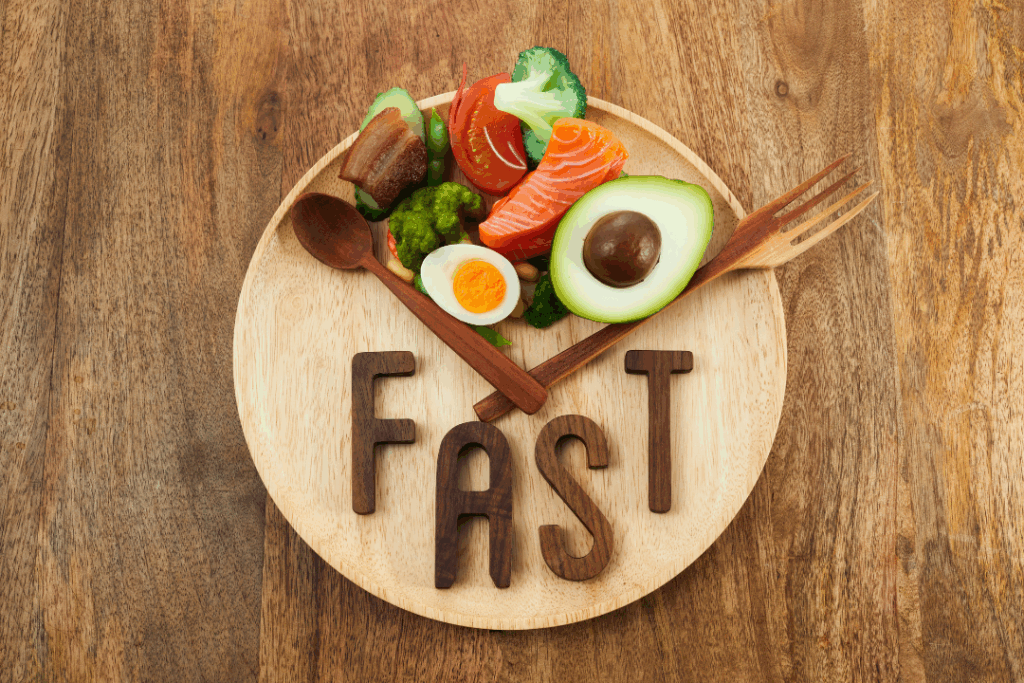
Fasting helps you lose weight primarily by reducing the window of time you eat, which often leads to a natural decrease in calorie intake. When you fast, your body doesn’t receive a constant supply of energy from food. As a result, it starts to use stored energy – mainly in the form of body fat – to keep functioning. This shift is known as fat burning fasting or metabolic switching.
One of the key mechanisms behind fasting-related weight loss is the drop in insulin levels. Insulin is a hormone that helps store excess glucose as fat. When you fast, insulin levels fall, allowing the body to access and burn stored fat more efficiently. This process promotes fat loss, rather than just water weight or muscle loss.
In addition, fasting can help regulate hunger hormones like ghrelin, making it easier to manage cravings over time. Many people find that fasting reduces mindless snacking, emotional eating, and late-night cravings, behaviors that often contribute to weight gain.
Over time, with consistent practice, fasting supports sustainable weight loss by improving insulin sensitivity, boosting metabolism during fasting windows, and encouraging healthier eating habits during non-fasting periods.
Intermittent fasting (IF) is a popular eating pattern that cycles between periods of eating and fasting. Instead of focusing on what you eat, it emphasizes when you eat, making it a flexible approach for many people trying to lose weight. Common methods include the 16:8 method (fasting for 16 hours, eating during an 8-hour window), the 5:2 diet (eating normally for 5 days, restricting calories for 2 non-consecutive days), and OMAD (one meal a day).
During fasting periods, insulin levels drop, allowing the body to burn stored fat more efficiently. This eating pattern also promotes cellular repair through a process called autophagy, where the body clears out damaged cells and regenerates new ones. Research suggests intermittent fasting may improve heart health, enhance brain function, and reduce the risk of chronic diseases like type 2 diabetes. Additionally, it helps regulate appetite hormones and may support better eating habits, making it a sustainable lifestyle change for many.
That said, the truth about intermittent fasting is that it’s not a one-size-fits-all solution. While it works well for many, it may not be suitable for everyone, especially those with certain medical conditions, eating disorders, or specific nutritional needs. It’s always best to consult a healthcare provider before starting.
In summary, intermittent fasting can be a healthy and effective way to lose weight if practiced mindfully. When combined with balanced nutrition and adequate hydration during eating periods, it becomes a powerful tool for long-term weight management.

One of the most common questions beginners ask is, “how long should I fast for weight loss?” The answer depends on your lifestyle, goals, and how your body responds to fasting. There’s no fixed answer, but several popular fasting diets offer structured timeframes that can help kickstart your weight loss journey.
The most commonly used fasting method is intermittent fasting, especially the 16:8 method, where you fast for 16 hours and eat within an 8-hour window. This approach is beginner-friendly and sustainable for most people. Other options include:
So, how long should you fast to lose weight effectively? Start with shorter fasts like 14 or 16 hours and increase gradually as your body adjusts. Consistency is key, fasting regularly helps your body enter fat-burning mode more efficiently, which is essential for sustainable weight loss.
However, it’s important to listen to your body. Overly extended fasting periods may not always be better and could lead to fatigue or overeating during eating windows. For best results, pair fasting with nutritious meals, proper hydration, and regular physical activity.
With so many types of fasting diets available, it can be overwhelming to decide which one works best for your lifestyle and weight loss goals. Each approach to dieting for fasting has its own structure, benefits, and level of intensity. So it’s important to choose one that feels sustainable and suits your daily routine.
Here are the most popular fasting diets to consider:
When choosing a fasting method, consider your schedule, energy levels, and how well you handle hunger. Some people thrive with daily fasts like 16:8, while others prefer the flexibility of weekly plans like the 5:2 diet.
Remember, the best fasting diet is the one you can stick with consistently. For lasting results, pair your chosen method with whole foods, mindful eating, and physical activity.

The most straightforward reason fasting works for weight loss is that it often reduces overall calorie intake. By shortening the eating window or skipping meals, people tend to eat less.
According to a review published in Obesity Reviews (2020), intermittent fasting led to weight loss of 3–8% over 3–24 weeks, which is comparable to traditional calorie-restricted diets.
Fasting may improve how the body handles blood sugar by lowering insulin levels, which helps in fat burning. A study published in Cell Metabolism (2018) found that time-restricted eating improved insulin sensitivity and blood pressure in prediabetic men.
Fasting has become a popular strategy for achieving fat loss because it helps shift the body’s energy source from glucose to stored fat. During fasting periods, insulin levels drop, which signals the body to begin burning fat for fuel, a process known as fat-burning fasting. This metabolic switch not only helps reduce body fat but also supports better blood sugar control and improved insulin sensitivity, which are key for sustainable weight loss.
Whether you’re following intermittent fasting, alternate-day fasting, or OMAD, the goal is the same: reduce the frequency of insulin spikes and give your body time to tap into fat stores. Combined with healthy eating habits during your eating windows, fasting to fat loss can be an effective and natural approach to shedding excess weight.
Fasting triggers hormonal changes that support weight loss and muscle maintenance. It increases norepinephrine, which boosts metabolism, and human growth hormone (HGH), which helps preserve lean muscle mass. These hormonal shifts make the body more efficient at burning fat and maintaining energy levels during periods of reduced calorie intake.
Emerging evidence suggests that fasting may reduce inflammation and support cellular repair, including autophagy (the body’s way of cleaning out damaged cells). Animal studies show potential links to increased lifespan, though more human research is needed.
Unlike many diets that require strict meal plans, calorie counting, or specialty foods, fasting focuses mainly on timing – making it simple and cost-effective. It’s easy to follow, can be adapted to different lifestyles or schedules, and allows people to eat their preferred foods during eating windows without major restrictions.
The success of fasting depends largely on the individual’s health status, lifestyle, and personal preference. Like any dietary strategy, sustainable results come from combining fasting with nutritious food choices, regular physical activity, and long-term behavior change.
Before starting any fasting regimen, especially extended or alternate-day fasting, it’s advisable to consult a healthcare provider or registered dietitian, particularly if you have underlying health conditions.