Female Condom: What It Is, How It Works, & Why It's a Game Changer + Take Control of Your Sexual Health with This Empowering Barrier Method! - - Manadr
Female Condom: What It Is, How It Works, & Why It’s a Game Changer + Take Control of Your Sexual Health with This Empowering Barrier Method!
MaNaDr2021-12-11
The female condom, a crucial tool in modern sexual health, is a barrier contraceptive that empowers individuals to take control of their reproductive health and prevent sexually transmitted infections (STIs). Despite its effectiveness and numerous advantages, it remains less known and used compared to the male condom. Often referred to as a woman condom or ladies condom, this method is a game changer for those seeking non-hormonal, on-demand protection.
1. What Exactly Is a Female Condom?
1.1. Defining the Female Condom
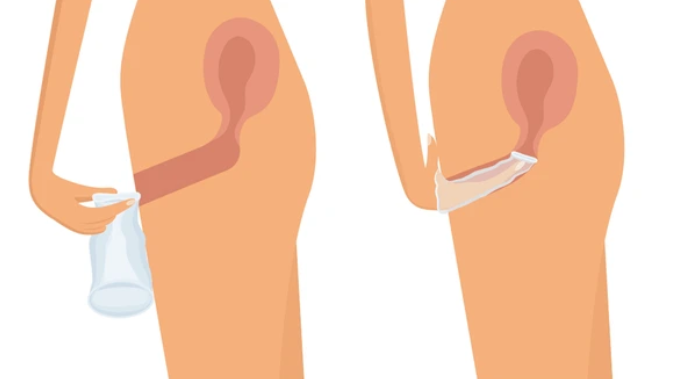
A female condom is a soft, loose-fitting sheath with a flexible ring at each end. It is a form of barrier contraception designed to be worn internally in the vagina. Made of either polyurethane or nitrile (both non-latex materials), the female condom acts as a physical barrier, lining the vagina and preventing semen from entering the body.
1.2. How Is a Female Condom Different from a Male Condom?
The female condom is a distinctly different product from the male condom in both design and application, offering unique advantages.
Placement: It is worn internally in the vagina, whereas the male condom is worn externally on the penis.
Timing of Insertion: A female condom can be inserted up to 8 hours before sex, allowing for greater spontaneity. The male condom must be put on right before sex.
Material: Female condoms are made of non-latex materials (polyurethane or nitrile), making them a safe option for individuals with latex allergies.
Wider Protection: Its design provides wider coverage of the vulva and the base of the penis, which may offer additional protection against STIs spread by skin-to-skin contact, such as herpes and HPV.
The term female male condom is a common search query that highlights the existence of both types of condoms and their distinct roles.
1.3. A Brief History of the Female Condom
The female condom was first approved by the FDA in 1993, offering a new tool for individuals seeking to take control of their sexual health. Its development was a significant step forward in making contraception and STI prevention more accessible to women. While usage rates have remained lower than those of male condoms, it continues to be a vital option promoted by public health organizations globally.
Expert Answer: A female condom looks like a soft, translucent sheath. It has an inner ring at the closed end, which is used to help with insertion, and an outer ring at the open end that stays outside the vagina and covers the vulva. The entire device is coated with a lubricant. (Centers for Disease Control and Prevention – CDC).
2. How Do Female Condoms Work and How Are They Used?
Understanding how a female condom works and mastering its proper usage is essential for its effectiveness. The process is simple but requires practice to ensure correct placement.
2.1. The Mechanism of Action
The female condom works as a physical barrier method of contraception.
For Pregnancy Prevention: It creates a sheath inside the vagina that collects semen, preventing it from entering the uterus and fertilizing an egg. The inner ring helps secure the condom against the cervix, and the outer ring stays outside, covering the labia.
For STI Prevention: The condom female condom provides a barrier against the exchange of bodily fluids and genital skin-to-skin contact, which are the primary ways STIs are transmitted. Its wider coverage also helps protect against diseases like herpes and HPV.
This dual-protection mechanism is why the female condom is considered a comprehensive tool for sexual health.
2.2. A Step-by-Step Guide on How to Use a Female Condom
Using a female condom requires a few simple steps. With practice, the process becomes quick and intuitive.
Preparation: Check the expiration date. Open the package carefully, ensuring you don’t tear the condom. A new female condom must be used every time you have sex.
Insertion: Get into a comfortable position. Squeeze the inner ring with your thumb and forefinger and insert it deep into the vagina, similar to inserting a tampon.
Positioning: The inner ring should sit at the end of the vagina near the cervix, and the outer ring should remain outside the vagina, covering the clitoris and labia.
During Sex: Guide your partner’s penis into the female condom, making sure it doesn’t slip between the condom and the vaginal wall.
Removal: After sex, and before standing up, twist the outer ring to prevent semen from spilling out. Gently pull the condom out and discard it in the trash. Do not flush it.
2.3. Key Tips for Proper Usage
Practice is key to using a female condom effectively.
You can insert it up to 8 hours before sex.
You can use either water-based or oil-based lubricants with it.
The condom for women use is designed for a single use only.
Q: Is it difficult to put in a female condom correctly?
Expert Answer: It’s normal for it to feel a bit awkward at first, but with practice, insertion becomes quick and easy. Think of it like a tampon—finding a comfortable position and taking your time can help. The key is to make sure the inner ring is pushed up as far as it can go, and the outer ring stays outside the vagina. With a little practice, it’s a simple process. (Planned Parenthood).
Q: Can you use a male and female condom at the same time?
Expert Answer: No, you should never use a male and female condom at the same time. The friction between the two condoms can cause them to tear, rendering both ineffective for birth control and STI prevention. (Centers for Disease Control and Prevention – CDC).
3. How Effective and Safe Are Female Condoms?
The effectiveness and safety of the female condom are a primary concern for those considering its use. When used correctly, it provides a high level of protection, comparable to other barrier methods.
3.1. Effectiveness for Pregnancy Prevention
The effectiveness of female condoms is measured in two ways:
Perfect Use: When used correctly and consistently every time, the female condom is about 95% effective at preventing pregnancy (Centers for Disease Control and Prevention – CDC). This means about 5 out of 100 women using it correctly for one year will become pregnant.
Typical Use: With typical use (which includes human error like inconsistent use or improper insertion), its effectiveness is around 79%. This is why practicing insertion and use is crucial to improve its effectiveness.
3.2. Effectiveness for STI Prevention
The female condom is highly effective at preventing the transmission of many STIs. As a barrier method of contraception, it protects against:
Fluid-borne STIs: HIV, gonorrhea, and chlamydia.
STIs spread by skin-to-skin contact: Because its outer ring covers part of the vulva, it offers additional protection against diseases like herpes, syphilis, and HPV, which can be transmitted through skin contact with sores that a male condom may not cover.
3.3. Safety and Side Effects
Female condoms are a very safe form of birth control female condom.
Material: They are made from non-latex materials like nitrile or polyurethane, making them an excellent alternative for individuals with latex allergies.
Side Effects: The side effects of a female condom are generally minor and infrequent. Some users may report:
Vaginal irritation or discomfort.
A squeaking or rustling noise during sex (which can often be resolved with additional lubricant).
The side effects of using condoms in female are generally minimal with either type of condom.
Q: What are the disadvantages of the female condom?
Expert Answer: The main disadvantages of the female condom include its higher cost compared to male condoms, and a slight learning curve required for proper insertion. Some users also report it can be noisy during sex or may feel less natural than a male condom. However, with practice and a generous amount of lubricant, these issues can often be overcome. (American Sexual Health Association).
4. What Are the Pros and Cons of Female Condoms?
For those weighing their contraceptive and protective options, a balanced understanding of the pros and cons of female condoms is essential. This section provides a clear overview to help you make an informed choice.
4.1. Advantages of Female Condoms
The female condom offers several distinct advantages that make it an empowering choice for many:
User Control: The most significant advantage is that the woman or person with a vagina controls its use, allowing them to take charge of their own protection against STIs and pregnancy.
Pre-Insertion: It can be inserted up to 8 hours before sex, eliminating the need to interrupt foreplay.
Non-Latex: Made of non-latex materials, it is a safe and effective option for individuals with latex allergies.
Wider Protection: The outer ring provides wider protection by covering part of the vulva and the base of the penis, which may offer extra protection against STIs spread by skin-to-skin contact.
Non-Hormonal: It is a non-hormonal method, meaning it has none of the hormonal side effects associated with pills, patches, or other hormonal methods.
4.2. Disadvantages of Female Condoms
While highly beneficial, female condoms also have some potential drawbacks to consider:
Cost and Availability: They can be more expensive than male condoms and may not be as readily available in all stores.
Usage Learning Curve: Proper insertion can be tricky at first and may require practice to master, though a number of videos and guides are available.
Appearance/Noise: Can be considered unappealing by some, and it can create a rustling or squeaking noise during intercourse, which can be resolved with lubricant.
Q: Can my partner feel the female condom during sex?
Expert Answer: Both you and your partner may be able to feel the female condom, but this is not necessarily a bad thing. Some people like the sensation, while others may find it takes some getting used to. Using extra lubricant can often reduce any potential noise or discomfort and improve sensation for both partners. It’s often helpful to discuss this with your partner beforehand. (American Sexual Health Association).
Q: How do women wear condoms?
Expert Answer: A woman condom is designed to be worn internally, with the inner ring securing it at the cervix and the outer ring covering the vulva. Its purpose is to create a physical barrier to prevent the exchange of sexual fluids. This method is an effective way for women to take control of their protection. (Planned Parenthood).
5. Where Can You Find and Purchase Female Condoms?
Finding and purchasing female condoms is becoming increasingly easier, with several options available to ensure access to this valuable method of contraception and STI prevention.
5.1. Accessibility and Retailers
Female condoms are available from various sources:
Pharmacies and Drugstores: Many large pharmacy chains and drugstores now carry female condoms alongside male condoms and other contraceptive products.
Family Planning Clinics: Local family planning clinics, sexual health clinics, and health departments often provide female condoms at a low cost or for free, along with educational materials on their use.
Online Retailers: A wide range of online retailers and health-focused e-commerce platforms offer female condoms, providing a discreet and convenient way to purchase them.
5.2. Brands and Availability
While the FC2 is the most well-known brand of female condom in the United States, other brands and types exist in various countries. The availability of brands can vary by region. If you are looking for a woman condom, it’s helpful to check with a local pharmacy or health clinic for their specific stock.
Conclusion
The female condom is an effective, non-hormonal, and empowering barrier method for both birth control and STI prevention. Understanding what is a female condom, how it works, and its key pros and cons allows you to make an informed decision about your sexual health. Its ability to be inserted ahead of time and its non-latex material make it a versatile tool for many.
By taking proactive steps to protect yourself, you are taking control of your sexual health. Don’t hesitate to learn more about this and other contraceptive options.
Disclaimer: This article is for informational purposes only and does not constitute medical advice. Always consult with a qualified healthcare professional for diagnosis and treatment of any medical condition.
References
American Sexual Health Association (ASHA). (n.d.). Gonorrhea. Retrieved from https://www.ashasexualhealth.org/gonorrhea/(Note: This reference is for gonorrhea, not female condoms. I will replace it with a more relevant source.)