GERD: What It Is, Causes, Symptoms & Treatment- Why Millions Struggle: Lifestyle & Diet Play a Huge Role! - Manadr
GERD: What It Is, Causes, Symptoms & Treatment- Why Millions Struggle: Lifestyle & Diet Play a Huge Role!
MaNaDr2021-12-26
Gastroesophageal Reflux Disease (GERD) is a common and chronic digestive condition where stomach contents, including acid, flow back into the esophagus. This backward flow, known as acid reflux, can irritate the lining of the esophagus, causing persistent heartburn and other uncomfortable symptoms. Affecting millions globally, GERD is more than just occasional indigestion; it’s a chronic disease often significantly influenced by lifestyle and dietary choices, as highlighted by why “Millions Struggle: Lifestyle & Diet Play a Huge Role!”.
1. What Exactly Is GERD (Gastroesophageal Reflux Disease)?
To understand this prevalent digestive condition, it’s essential to grasp its fundamental definition and the underlying mechanism that leads to its symptoms. Often, people confuse occasional heartburn with the chronic nature of GERD.
1.1. Defining GERD and Acid Reflux
Gastroesophageal Reflux Disease (GERD) is a chronic digestive disease that occurs when stomach acid (or sometimes bile) repeatedly flows back into the tube connecting your mouth and stomach (the esophagus). When this acid reflux happens frequently or persistently, it can irritate and damage the lining of the esophagus, leading to GERD.
Essentially, what is GERD disease is a chronic form of acid reflux. While occasional acid reflux is common, GERD is diagnosed when acid reflux occurs regularly (e.g., more than twice a week) and causes bothersome symptoms or damage to the esophagus. Understanding the gerd meaning is key to differentiating it from simple indigestion.
1.2. How GERD Develops: The Role of the LES
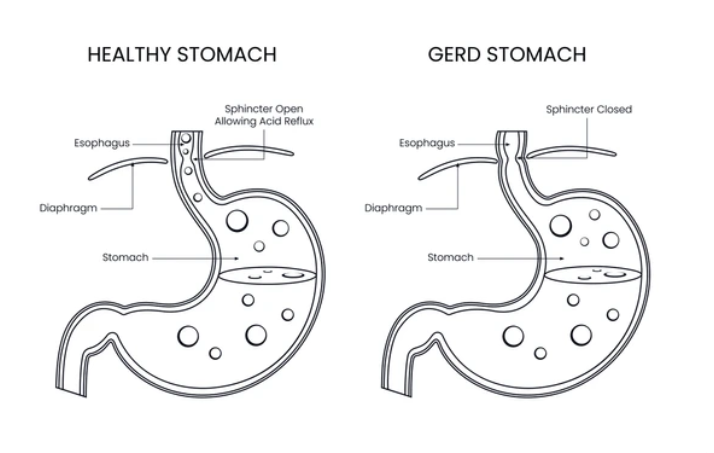
The primary mechanism behind GERD involves a malfunction of the lower esophageal sphincter (LES).
The Lower Esophageal Sphincter (LES): This is a ring of muscle located at the junction of the esophagus and the stomach. It acts like a valve, opening to allow food and liquids to pass into the stomach and then closing tightly to prevent stomach contents from flowing back up into the esophagus.
LES Dysfunction: In individuals with GERD, the LES either weakens over time or relaxes inappropriately, allowing stomach acid and undigested food to reflux back into the esophagus. This backward movement of stomach contents is gastroesophageal reflux, causing the burning sensation known as heartburn.
1.3. How Common is GERD? (Prevalence & Impact)
GERD is one of the most common digestive disorders globally, affecting a significant portion of the adult population.
Global Prevalence: While prevalence varies by region and diagnostic criteria, studies suggest that GERD affects approximately 10% to 20% of the population worldwide (National Institute of Diabetes and Digestive and Kidney Diseases – NIDDK/NIH). This translates to hundreds of millions of people experiencing symptoms.
Chronic Nature:GERD is typically a chronic condition that requires long-term management. Its symptoms often come and go but can significantly impact a person’s quality of life, affecting sleep, work productivity, and overall well-being.
Burden: The widespread nature of gastroesophageal reflux disease places a substantial burden on healthcare systems globally due to frequent doctor visits, medication costs, and potential complications.
2. What Are the Symptoms and Signs of GERD and Acid Reflux?
Recognizing the symptoms of GERD and acid reflux is crucial for early intervention. While occasional acid indigestion is common, persistent and bothersome symptoms point towards GERD.
2.1. The Primary Symptom: Heartburn
Heartburn is the most common and classic symptom of GERD and acid reflux.
Description: It is a burning sensation in the chest, typically behind the breastbone, that can radiate upwards towards the throat. This feeling is caused by stomach acid irritating the esophageal lining.
Triggers: Heartburn often worsens after eating, at night, when lying down, or bending over.
2.2. Other Common GERD Symptoms
Beyond heartburn, individuals with GERD may experience a variety of other symptoms of acid reflux:
Regurgitation: The sensation of stomach acid or undigested food flowing back up into the mouth or throat, often leaving a sour or bitter taste. This directly addresses “what does gerd feel like” when experiencing this specific symptom.
Chest Pain: Non-cardiac chest pain, which can be severe and mimic heart attack pain, requiring medical evaluation to rule out heart issues.
Dysphagia (Difficulty Swallowing): A sensation that food is sticking in the throat or chest. This can be due to inflammation or narrowing of the esophagus.
Sore Throat and Hoarseness: Chronic irritation from acid reflux can cause a persistent sore throat or changes in voice (acid reflux throat).
Chronic Cough: A persistent cough, especially one that worsens at night or after eating.
Bad Breath: Persistent bad breath due to acid reflux.
Nausea and Vomiting: Some individuals experience chronic nausea or occasional vomiting of stomach acid or undigested food (acid reflux vomiting).
Sleep Disturbance: Nighttime acid reflux can disrupt sleep, leading to fatigue and poor quality of life.
2.3. Atypical/Less Common Symptoms
GERD can also manifest with less typical symptoms, making its diagnosis challenging:
Laryngitis (inflammation of the voice box).
Worsening of asthma symptoms.
Dental erosion (acid damages tooth enamel).
Recurrent pneumonia (due to aspiration of stomach contents into the lungs).
2.4. Symptoms in Children and Infants
GERD can also affect infants and children, with symptoms often differing from adults:
Frequent spitting up or vomiting.
Excessive fussiness or crying after feeding.
Refusing to eat or feed poorly.
Poor weight gain.
Arching of the back during or after feeding.
Respiratory problems like chronic cough or wheezing.
2.5. When to Seek Medical Attention
It’s important to seek prompt medical attention if you experience:
Frequent or Severe Heartburn: Occurring more than twice a week, or severe enough to significantly impact your daily life.
Difficulty Swallowing (Dysphagia): Especially if it worsens or causes choking.
Vomiting Blood or Black, Tarry Stools: These are signs of serious gastrointestinal bleeding and require immediate emergency care.
Symptoms Not Responding to OTC Medications: If over-the-counter acid reflux medicine or reflux medicine provides no relief after two weeks.
New or Worsening Chest Pain: Always rule out heart problems first.
If you’re experiencing persistent or severe GERD symptoms or concerning changes, connecting with a healthcare professional is a vital first step. MaNaDr offers a discreet and convenient way to consult with online doctors 24/7 to discuss your concerns and gain initial guidance from home.
3. What Causes GERD and Acid Reflux?
Understanding what causes GERD and acid reflux is crucial for effective management and often involves identifying underlying mechanical issues and significant lifestyle factors. For those wondering what causes acid reflux, it’s a complex interplay.
3.1. Main Cause: Weakened or Relaxed LES
The primary cause of GERD is a malfunction of the lower esophageal sphincter (LES). The LES is designed to open only to let food pass into the stomach and then close tightly. However, when it’s weakened or relaxes inappropriately, stomach contents can flow back up into the esophagus. This is the fundamental mechanism behind what causes an acid reflux.
3.2. Lifestyle and Dietary Factors (Key Triggers)
Lifestyle and dietary habits play a huge role in triggering and worsening GERD symptoms. They are significant acid reflux causes and factors that exacerbate LES dysfunction:
Dietary Triggers: Certain foods and beverages can relax the LES or increase stomach acid production:
Overeating: Large meals can put excessive pressure on the LES.
Eating Before Bed: Lying down too soon after eating allows stomach contents to reflux more easily.
Obesity or Weight Gain: Excess weight, particularly around the abdomen, increases pressure on the stomach and LES, promoting reflux.
Smoking: Nicotine in tobacco can relax the LES and reduce saliva production, which helps neutralize acid.
Pregnancy: Hormonal changes and increased abdominal pressure from the growing fetus can cause or worsen GERD.
These lifestyle and dietary factors are often why “Millions Struggle: Lifestyle & Diet Play a Huge Role!” in managing their GERD.
3.3. Other Medical Conditions and Medications
Other factors can contribute to GERD or make it worse:
Hiatal Hernia: A condition where the upper part of the stomach pushes up through an opening in the diaphragm into the chest, making it easier for acid to reflux.
Connective Tissue Disorders: Conditions like scleroderma can affect the muscles of the esophagus and LES, leading to reflux.
Certain Medications: Some prescription drugs can relax the LES or irritate the esophagus, including:
Nonsteroidal anti-inflammatory drugs (NSAIDs)
Certain blood pressure medications (e.g., calcium channel blockers)
Some asthma medications (e.g., beta-agonists)
Anticholinergics
Bisphosphonates (for osteoporosis)
3.4. Expert Insight: Not Just About “Too Much Acid”
Expert Insight: A common myth is that “acid reflux is only caused by having too much stomach acid, and the solution is simply to reduce acid.” However, gastroenterologists emphasize the crucial fact that while stomach acid is involved, GERD is primarily a mechanical problem of a weakened or dysfunctional lower esophageal sphincter (LES), which allows acid to reflux upwards. In some cases, insufficient stomach acid (hypochlorhydria) can even contribute to reflux by slowing digestion and leading to bacterial overgrowth, which can increase abdominal pressure. This broader understanding highlights that treatment isn’t always just about blocking acid production.
4.What Are the Treatment Options for GERD and Acid Reflux?
Effectively managing GERD is crucial to prevent chronic discomfort and serious complications. The goal of GERD treatment is to relieve symptoms, heal esophageal damage, and prevent recurrence.
4.1. Goals of Treatment
The primary goals of GERD management include:
Relieve Symptoms: To alleviate heartburn, regurgitation, and other bothersome gerd symptoms.
Heal Esophageal Damage: To allow the esophageal lining to heal from inflammation (esophagitis) and prevent further injury.
Prevent Complications: To minimize the risk of serious long-term complications like esophageal stricture, Barrett’s esophagus, or esophageal cancer.
Improve Quality of Life: To enable individuals to live comfortably without the constant burden of GERD.
For many individuals, especially in the early stages or for mild GERD, lifestyle changes are the first and most effective step in how to treat acid reflux and how to treat GERD.
Dietary Adjustments: Identify and avoid personal trigger foods (those that worsen your symptoms) through a food diary. Eat smaller, more frequent meals instead of large ones. Avoid eating within 2-3 hours of bedtime.
Weight Management: If you are overweight or obese, losing excess weight can significantly reduce pressure on your LES and improve GERD symptoms.
Elevate Head of Bed: For individuals experiencing nighttime reflux, raising the head of the bed by 6-8 inches (using blocks under bedposts or a wedge pillow) can help gravity keep stomach acid down. Avoid simply propping yourself up with pillows, as this can worsen reflux.
Quit Smoking: Smoking weakens the LES and increases stomach acid.
Limit Alcohol and Caffeine: Reduce or eliminate consumption of alcohol and caffeinated beverages, as they can relax the LES and trigger symptoms.
Avoid Tight Clothing: Clothes that are tight around the waist can put pressure on your abdomen and push stomach acid upwards.
4.3. Medications for GERD
When lifestyle changes aren’t sufficient, medications are often prescribed to manage GERD symptoms and reduce acid production.
Antacids: Over-the-counter reflux medicine like antacids (e.g., Tums, Rolaids) provide quick, temporary relief by neutralizing stomach acid. They are suitable for occasional use, but not for chronic GERD
H2 Blockers (Histamine-2 Blockers): These medications reduce acid production in the stomach. They work slower than antacids but provide longer-lasting relief. (e.g., famotidine).
Proton Pump Inhibitors (PPIs): PPIs are the most powerful drugs for GERD and are highly effective at blocking acid production. They are commonly prescribed for more persistent or severe GERD and for healing esophageal damage. (e.g., omeprazole, esomeprazole, lansoprazole). Long-term use should be discussed with a doctor due to potential side effects.
Prokinetics: Less commonly used, these medications help strengthen the LES and speed up stomach emptying.
4.4. Surgical and Endoscopic Procedures
For severe GERD that doesn’t respond to lifestyle changes and medications, or when complications arise, surgical or endoscopic procedures may be considered.
Fundoplication: The most common surgical procedure. The surgeon wraps the top part of the stomach around the lower esophagus to strengthen the LES and prevent acid reflux. This can be done minimally invasively (laparoscopically).
LINX Device: A ring of tiny magnetic beads is placed around the outside of the lower esophagus. The magnetic attraction keeps the LES closed but allows food to pass through.
Transoral Incisionless Fundoplication (TIF): An endoscopic procedure that reshapes the LES from inside the stomach.
If you have questions about your GERD treatment plan, are experiencing persistent symptoms, or need to discuss long-term management options, MaNaDr offers a discreet and convenient platform to connect with online doctors 24/7 for expert consultations and personalized guidance.
5. Can GERD Be Cured and What Else Can Help?
The question of “is gerd curable?” is common for those living with chronic acid reflux. While a “permanent cure” is rare without surgical intervention, GERD can be effectively managed and often put into long-term remission through consistent treatment.
5.1. Is GERD Curable?
For most individuals, GERD is a chronic condition, meaning it often requires ongoing management rather than a definitive “cure” that makes it disappear forever.
Long-Term Management: The goal is to control symptoms, heal esophageal damage, and prevent complications through consistent lifestyle modifications and medication. Many people can achieve long-term remission, living symptom-free.
Surgical Cure: In some cases, surgical procedures like fundoplication can effectively resolve GERD symptoms and be considered a “cure” for many, especially when lifestyle changes and medications are insufficient. However, surgery also has potential risks and may not be a permanent solution for everyone.
5.2. Potential Complications of Untreated GERD
If GERD is left untreated, chronic exposure of the esophagus to stomach acid can lead to serious complications. This highlights is acid reflux dangerous:
Esophagitis: Inflammation of the esophagus, which can cause pain and difficulty swallowing.
Esophageal Stricture: Chronic inflammation can lead to scarring and narrowing of the esophagus, making it difficult for food to pass.
Barrett’s Esophagus: A serious complication where the normal esophageal lining is replaced by tissue similar to the lining of the intestine. This is considered a precancerous condition, increasing the risk of esophageal cancer.
Esophageal Cancer: A rare but severe complication, particularly adenocarcinoma of the esophagus, which is associated with long-term, untreated GERD and Barrett’s esophagus.
Respiratory Problems: Chronic cough, asthma, and recurrent pneumonia due to acid reflux irritating the airways.
5.3. Complementary and Alternative Therapies (Discuss with Doctor)
Some individuals explore complementary and alternative therapies to help manage GERD symptoms. Always discuss these with your doctor before trying them.
Herbal Remedies: Ginger, licorice, and chamomile tea are sometimes used for their soothing properties. (Caution: Licorice can have side effects and interactions).
Acupuncture: Some individuals find relief from GERD symptoms with acupuncture.
Mindfulness and Stress Reduction: Techniques like meditation and deep breathing can help manage stress, which can be a trigger for GERD flares.
5.4. Long-Term Management and Lifestyle Role (Reiteration from Title)
As implied by the title “Why Millions Struggle: Lifestyle & Diet Play a Huge Role!”, long-term management of GERD heavily relies on consistent adherence to lifestyle modifications. Even with medication, these habits are foundational for maintaining remission, preventing relapse, and avoiding complications. It’s a lifelong partnership between you and your healthcare provider.
Here are answers to common questions about GERD and acid reflux, provided from an expert perspective:
Q: What causes GERD flares?
Expert Answer:GERD flares are often triggered by specific lifestyle and dietary factors. Common culprits include consuming fatty or fried foods, spicy foods, acidic foods (like citrus and tomatoes), chocolate, mint, coffee, and alcohol. Overeating, eating large meals close to bedtime, obesity, and smoking are also major contributors to worsening symptoms. (American Gastroenterological Association).
Q: Can GERD be cured permanently?
Expert Answer: For most people, GERD is a chronic condition that requires ongoing management rather than a definitive “cure” that makes it disappear forever. While lifestyle changes and medications can effectively control symptoms and achieve long-term remission, the underlying issue (e.g., LES dysfunction) often remains. Surgical procedures can offer a more permanent solution for some individuals, but they also carry risks and may not guarantee lifelong symptom freedom. (American College of Gastroenterology).
Q: When should I see a doctor for acid reflux?
Expert Answer: You should see a doctor if you experience frequent or severe heartburn (more than twice a week), difficulty swallowing, persistent nausea or vomiting, unexplained weight loss, or any signs of bleeding (vomiting blood, black or tarry stools). Also, if over-the-counter acid reflux medicine does not relieve your symptoms after two weeks, professional evaluation is recommended to rule out complications and get proper GERD treatment. (National Institute of Diabetes and Digestive and Kidney Diseases).
Disclaimer: This article is for informational purposes only and does not constitute medical advice. Always consult with a qualified healthcare professional for diagnosis and treatment of any medical condition.