


Heat stroke is a medical emergency. If someone’s skin feels hot and dry (not sweaty), their body temperature is very high, and they’re confused, disoriented, or losing consciousness, call 995 immediately and try to cool them down while waiting for help. Don’t wait to see if they improve on their own.
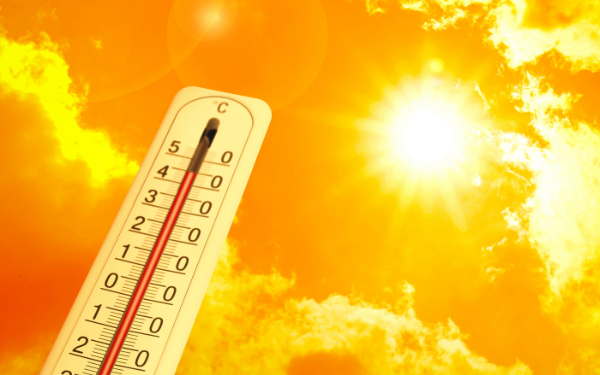
Heat stroke, also known as sunstroke or heatstroke, is the most severe form of heat-related illness. It occurs when the body’s temperature-regulating system fails, causing body temperature to rise rapidly, often to 40°C (104°F) or higher, while the body loses its ability to cool itself down through sweating. Without prompt treatment, heat stroke can cause organ damage, and can be fatal.
Yes. “Sunstroke” and “heat stroke” refer to the same condition; sunstroke is simply an older, more colloquial term, sometimes used specifically when the cause is direct sun exposure, but medically, both describe the same dangerous rise in body temperature and the same emergency response.
Heat stroke generally falls into two categories:
Heat exhaustion and heat stroke are both heat-related illnesses, but heat stroke is far more serious and represents a medical emergency, while heat exhaustion is generally milder and can often be managed with prompt first aid.
| Heat Exhaustion | Heat Stroke | |
| Sweating | Heavy sweating, skin feels cool and clammy | Sweating often stops; skin feels hot and dry (though sweating can sometimes still be present in exertional cases) |
| Mental state | May feel weak, dizzy, or irritable, but generally alert | Confusion, disorientation, slurred speech, or loss of consciousness |
| Body temperature | Elevated, but usually below 40°C (104°F) | Very high, often 40°C (104°F) or higher |
| Urgency | Move to a cool place, hydrate, seek help if not improving within an hour | Medical emergency; call 995 immediately |
If heat exhaustion isn’t addressed, it can progress into heat stroke, which is part of why it’s worth taking heat exhaustion symptoms seriously rather than pushing through them.
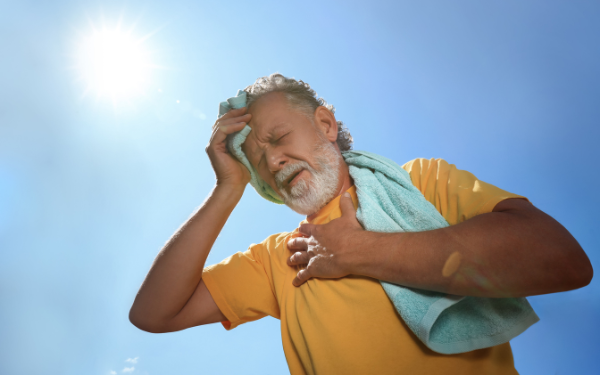
Symptoms of heat stroke can develop suddenly or build up from untreated heat exhaustion, and commonly include:
If you notice these symptoms in yourself or someone else, this is a medical emergency requiring immediate treatment.

Heat stroke happens when the body absorbs or generates more heat than it can release, overwhelming its normal cooling mechanisms. Common contributing factors include:
Heat stroke requires emergency medical treatment, and rapid cooling is the priority while waiting for help to arrive:
In a hospital setting, treatment typically continues with more intensive cooling methods, along with monitoring and treatment for complications such as organ dysfunction, muscle breakdown (rhabdomyolysis), or kidney problems.

With prompt treatment, body temperature can often be brought back to a safer range within hours, though hospital observation typically continues for a day or two to monitor for complications. Full recovery, however, can take considerably longer. Depending on the severity, how quickly treatment was given, and whether any organs were affected, recovery can range from a couple of months to closer to a year for a full return to normal function. Prompt cooling and emergency treatment are strongly linked to better, faster recovery, which is part of why acting quickly matters so much.
Singapore’s heat and humidity mean the risk of heat-related illness is a genuine, year-round concern, and it tends to be highest during the hotter months around April and May. A few practical steps can meaningfully lower your risk:
Call 995 or go to the nearest emergency department immediately if you or someone else has:
If symptoms are milder, such as heavy sweating, dizziness, or nausea without confusion, treat it as possible heat exhaustion: move to a cool place, hydrate, and seek medical help if symptoms don’t improve within an hour or start to worsen.
Heat stroke is the most severe form of heat-related illness, occurring when the body’s cooling system fails and body temperature rises to dangerous levels, typically 40°C (104°F) or higher. It’s a medical emergency.
Heat exhaustion is milder, typically involving heavy sweating, weakness, and a body temperature below 40°C, while heat stroke is more severe, often with an absence of sweating, confusion, and a body temperature of 40°C or higher. Heat stroke is a medical emergency; heat exhaustion usually isn’t, unless it doesn’t improve with first aid.
Heat stroke needs emergency medical care, with rapid cooling, such as cold cloths, water spray, or immersion, as a first priority while waiting for help, alongside monitoring and treatment for any complications in hospital.
Body temperature can often be stabilised within hours with prompt treatment, but full recovery can take anywhere from a couple of months to close to a year, depending on severity and whether any organ systems were affected.
You can check the current Heat Stress Advisory level on Singapore’s myENV app or the NEA weather website, which is based on the Wet Bulb Globe Temperature (WBGT) and rated as low, moderate, or high risk.
Heat stroke is a serious, potentially life-threatening emergency, but it’s also largely preventable with the right precautions, particularly important in Singapore’s hot and humid climate. Knowing the warning signs, especially the shift from heavy sweating to hot, dry skin and confusion, can make the difference in getting help quickly.
If you have concerns about heat-related symptoms that aren’t a medical emergency, you can consult a doctor online through MaNaDr. For any signs of heat stroke, call 995 or go to the nearest emergency department right away.