How to Choose Your Birth Control: A Guide to All Your Contraceptive Options + Pills, Patches, Implants & More: Which Method Is Right for You? - MaNaDr Medical Notes - Manadr
How to Choose Your Birth Control: A Guide to All Your Contraceptive Options + Pills, Patches, Implants & More: Which Method Is Right for You?
MaNaDr2022-10-28
Birth control is a fundamental aspect of reproductive health, offering a wide array of options to prevent pregnancy. From pills and patches to implants and IUDs, the landscape of contraceptives has evolved dramatically, giving individuals more choices than ever before. Yet, with so many options available, a common question arises: “Which Method Is Right for You?“.
1. What Are the Different Types of Contraceptives and Birth Control?
Navigating the world of birth control can be a complex task, as there are dozens of methods available. Understanding the major categories of contraceptives is the first step toward making an informed choice.
1.1. Defining Contraception and Birth Control
The terms “birth control” and “contraceptives” are often used interchangeably to refer to any method used to prevent pregnancy. The contraception meaning centers on the prevention of conception or implantation.
Essentially, “what is birth control” describes the various devices, methods, and medications available to prevent pregnancy. While all contraceptive methods are a form of birth control, not all birth control methods (e.g., sterilization) are a form of contraception in the strictest sense of reversible methods.
1.2. Categories of Birth Control Methods
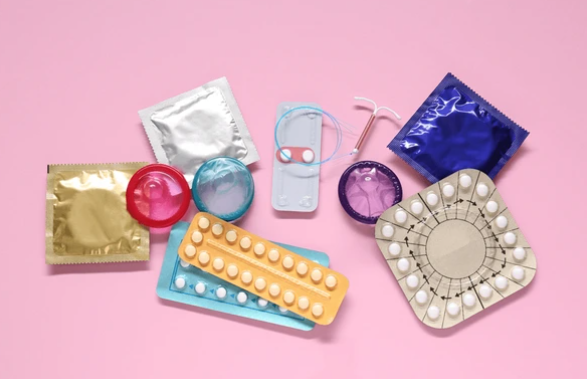
The wide range of birth control options can be broadly divided into several main categories:
1.2.1. Hormonal Methods
These contraceptive methods use hormones (estrogen and/or progestin) to prevent pregnancy. They are highly effective and are used by millions worldwide.
Oral Contraceptives: The daily birth control pill is the most well-known hormonal method.
Transdermal Patch: The birth control patch is worn on the skin and replaced weekly.
Vaginal Ring: The birth control ring is a flexible ring inserted into the vagina and replaced monthly.
Contraceptive Shot: The birth control shot injection is a progestin injection given every 3 months. Injectable contraceptives are available in two types:
Administered once a month (combined estrogen/progestin).
Administered once every three months (progestin-only).
Contraceptive Implant: The birth control implant is a small rod inserted under the skin of the upper arm, releasing progestin for up to 3-5 years.
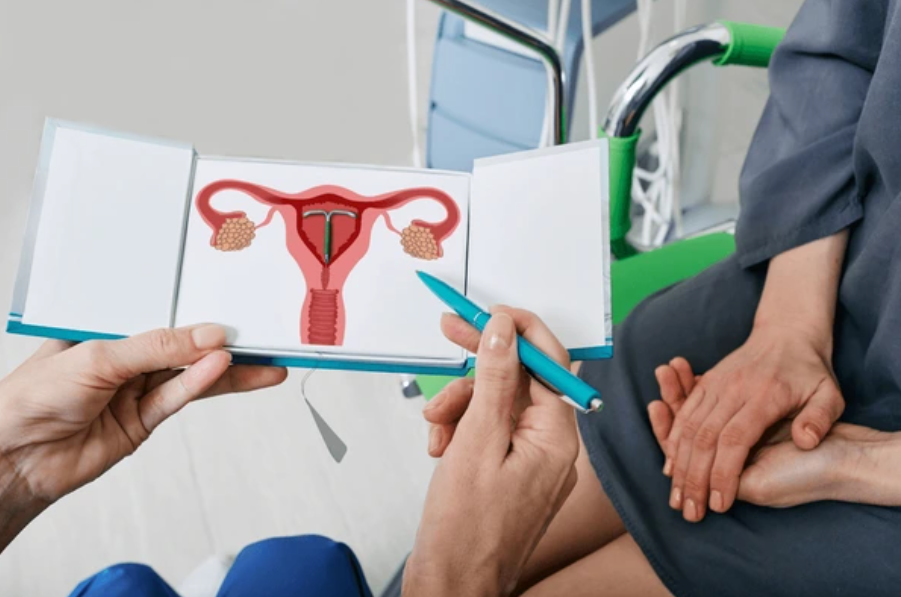
Hormonal IUD: A small, T-shaped device inserted into the uterus that releases progestin for 3-8 years.
1.2.2. Non-Hormonal Methods
These methods work without hormones. They are an excellent option for individuals who prefer or cannot use hormonal birth control types.
Barrier Methods: These physically block sperm from reaching the egg. Examples include male condoms, diaphragm birth control , the cervical cap, and the birth control sponge .
Copper IUD: The copper IUD is a small, T-shaped device inserted into the uterus that uses copper to prevent fertilization.
Natural Methods: These involve tracking the menstrual cycle to avoid intercourse during fertile days. They require discipline and are less effective than other methods.
1.2.3. Permanent Contraception
These methods are surgical procedures intended to be permanent, offering a solution for those who do not wish to have children in the future.
Vasectomy: A surgical procedure for men that blocks the vas deferens, preventing sperm from entering the semen.
Tubal Ligation: A surgical procedure for women that blocks or ties the fallopian tubes, preventing eggs from reaching the uterus.
1.3. How to Choose the Right Method
The best birth control method is a highly personal choice. There is no single “best” method for everyone. The decision depends on:
Effectiveness: How well a method prevents pregnancy.
Convenience: How often you have to think about it (daily pills vs. a yearly implant).
Safety and Side Effects: Your personal health history and tolerance for side effects.
STI Protection: Whether the method also protects against STIs.
Lifestyle: Your relationship status, frequency of sex, and personal preferences.
Expert Answer: Five common methods are: birth control pills (daily hormonal method), the birth control implant (a long-acting hormonal method), the male condom (a barrier method), a hormonal IUD (a long-acting method), and a vasectomy (a permanent method). (Centers for Disease Control and Prevention – CDC).
Q: What is the most effective birth control method?
Expert Answer: The most effective birth control methods are those that are long-acting and don’t require you to remember to do anything daily. These include contraceptive implants and intrauterine devices (IUDs), which have a perfect-use effectiveness of over 99%. Sterilization procedures (tubal ligation and vasectomy) are also considered highly effective, with similar success rates. (Centers for Disease Control and Prevention – CDC).
2. How Effective and Safe Are the Different Methods of Birth Control?
When evaluating birth control options, a key factor is understanding their effectiveness. “How effective is birth control” is a question with a nuanced answer, as efficacy is measured by both “perfect use” and “typical use.”
2.1. Understanding Effectiveness Rates
Perfect Use: This is the effectiveness rate when a method is used exactly as directed, every single time. It represents the highest possible efficacy.
Typical Use: This is the effectiveness rate in real-world use, which accounts for human error, such as forgetting to take a pill, not using a condom every time, or incorrect application. Typical use rates are often lower than perfect use rates and provide a more realistic picture of a method’s efficacy.
2.2. Highly Effective Methods (>99% Perfect Use)
These methods are known for their high reliability and are often the best choice for individuals seeking to avoid pregnancy with the highest degree of certainty.
Long-Acting Reversible Contraceptives (LARCs):
Contraceptive Implant: A small, flexible rod inserted under the skin. It is over 99% effective with both perfect and typical use, making it one of the most reliable contraceptives.
Intrauterine Devices (IUDs): Both hormonal IUDs and the copper intrauterine contraceptive device are more than 99% effective, as they eliminate the possibility of human error in their daily use.
Permanent Contraception: These methods are intended to be irreversible and are more than 99% effective.
2.3. Moderately to Less Effective Methods
These different birth control methods require more consistent attention from the user, and their effectiveness can be impacted by human error.
Hormonal Pills, Patch, Ring: These methods have a perfect-use effectiveness of around 99%, but their typical use rate is about 91%, due to missed pills or inconsistent use. This includes the birth control patch and birth control ring
Barrier Methods: Male and female condoms have typical use rates ranging from 79% to 87%, while diaphragms and sponges have similar rates. These methods are most effective when used consistently and correctly every time.
2.4. Safety of Birth Control
The safest birth control method is one that is appropriate for your individual health profile. Most methods are safe for the majority of people, but some may have risks for those with specific health conditions (e.g., a history of blood clots, certain types of cancer, or migraines). Discussing your complete medical history with a doctor is essential to determine the safest option for you.
Expert Answer: The long-acting reversible methods, such as implants and IUDs, are considered the most effective birth control options, with a success rate of over 99%. This is because they do not rely on daily user adherence. Following these are other hormonal methods (pills, patch, ring) and finally barrier methods. The best birth control method for you is the one you can use most consistently and correctly. (Centers for Disease Control and Prevention – CDC).
Q: How effective are contraceptives?
Expert Answer: The effectiveness of contraceptives varies significantly. While methods like IUDs are over 99% effective with both perfect and typical use, barrier methods like condoms are 87% effective with typical use. Pills, patches, and rings are also highly effective with perfect use but drop to around 91% with typical use. It’s crucial to understand the difference and choose a method that you are confident you can use correctly. (Centers for Disease Control and Prevention – CDC).
If you are unsure about which method is right for you, MaNaDr offers a convenient way to consult with a doctor to discuss your lifestyle and effectiveness needs.
3. What Are the Pros and Cons of Hormonal vs. Non-Hormonal Birth Control?
The choice between hormonal birth control and non-hormonal birth control is one of the most important decisions you’ll make when selecting a method. Both have distinct advantages and disadvantages.
3.1. Hormonal Contraceptives: Pros and Cons
These methods work by using synthetic hormones to prevent ovulation.
Pros:
High Effectiveness: Hormonal methods are among the most effective forms of contraception, with a high success rate when used correctly.
Symptom Management: They can regulate menstrual cycles, reduce heavy bleeding and cramps, and may even improve acne. Birth control pills for ovarian cysts are also a common treatment.
Convenience: Methods like implants and IUDs are highly convenient as they do not require daily attention.
Cons:
Side Effects: Hormonal birth control pills side effects can include nausea, headaches, breast tenderness, and mood changes. Yes, some contraceptive pills can cause weight gain. More serious but rare risks include blood clots, stroke, and heart attack, especially for smokers over 35 or those with certain health conditions.
No STI Protection: Hormonal methods do not protect against STIs.
User Adherence: Methods like the pill require consistent daily use to be effective.
3.2. Non-Hormonal Contraceptives: Pros and Cons
These methods work as physical barriers or by other means, without introducing hormones into the body.
Pros:
No Hormonal Side Effects: A key advantage is the absence of hormonal side effects like mood swings, nausea, or weight changes, making them a good option for individuals sensitive to hormones.
STI Protection: Male and female condoms are the only methods that protect against STIs.
On-Demand: Barrier methods can be used only when needed.
Emergency Contraception: The copper IUD is a highly effective form of emergency contraception. Its effectiveness lasts for up to 120 hours (5 days) after unprotected sex, which is longer than the 72-hour window of most pill options.
Cons:
Lower Effectiveness: Barrier methods, with typical use, are less effective at preventing pregnancy compared to implants and IUDs.
Requires Action at Time of Sex: Barrier methods require you to remember to use them each time you have sex, which can impact spontaneity and typical use effectiveness.
Expert Answer: The best birth control is the one that fits your personal health, lifestyle, and needs. For those prioritizing effectiveness, LARCs (IUDs, implants) are often recommended. For those avoiding hormones, barrier methods or the copper IUD are great choices. Discussing your options with a doctor is key to finding the right fit for you. (Centers for Disease Control and Prevention – CDC).
Q: Can you get pregnant on birth control?
Expert Answer: Yes, it is possible to get pregnant on birth control, but the risk is very low, especially with highly effective methods like implants and IUDs. The risk increases with methods that rely on consistent user action, such as missing pills or not using condoms correctly. (Planned Parenthood).
4. What Are the Key Side Effects of Birth Control?
Understanding the potential side effects of birth control is a crucial part of making an informed decision. While many people tolerate their chosen method without issue, being aware of possible side effects can help you identify any problems early and decide when to seek medical advice.
4.1. Side Effects of Hormonal Birth Control Pills
Common birth control pill side effects include:
Nausea, headaches, and breast tenderness.
Mood changes, irritability, or depression.
Weight changes.
Irregular bleeding or spotting on birth control.
Less common but serious risks: an increased risk of blood clots, stroke, or heart attack, especially for smokers over 35 or those with certain health conditions.
4.2. Side Effects of Hormonal Long-Acting Methods
Methods like the implant and the shot often have side effects similar to the pill, but they can be more pronounced due to the continuous release of hormones.
Implant: Irregular bleeding or spotting is a common side effect.
Shot: Can lead to irregular bleeding, weight gain, and a temporary loss of bone density, which usually reverses after stopping the shot.
Patch & Ring: Similar side effects to the pill, including nausea and headaches.
4.3. Side Effects of Non-Hormonal Methods
Non-hormonal methods have a different set of potential side effects, none of which are related to hormone exposure.
Copper IUD: Can cause heavier and more painful periods, especially in the first few months.
Diaphragm/Sponge: Can cause vaginal irritation or increase the risk of urinary tract infections (UTIs) if left in too long.
Male/Female Condoms: Can cause irritation for some individuals or, in rare cases, an allergic reaction.
Expert Answer:Birth control works by preventing ovulation, thickening cervical mucus to block sperm, or thinning the uterine lining to prevent a fertilized egg from implanting. Hormonal birth control introduces synthetic hormones that affect the body’s natural hormonal cycle, which is what causes many of the associated side effects. Non-hormonal methods, in contrast, work as physical barriers without affecting your body’s natural hormones. (National Institutes of Health – MedlinePlus).
Q: Do you ovulate on birth control?
Expert Answer: The primary mechanism of most hormonal birth control is to prevent ovulation. By suppressing the hormones that trigger the release of an egg, these methods make it impossible for you to get pregnant. Therefore, you do not ovulate while on most forms of hormonal birth control. (American College of Obstetricians and Gynecologists – ACOG).
If you are experiencing birth control side effects that concern you, MaNaDr offers a convenient way to consult with a doctor to discuss alternatives or find a solution.
5. How Do Specific Birth Control Methods Work?
Understanding the precise mechanism of action behind each method can help you appreciate its strengths and weaknesses. This section provides a clear breakdown of “how does birth control work” for different types of contraception.
5.1. Hormonal Methods
Hormonal birth control methods work by using synthetic estrogen and/or progestin to prevent pregnancy.
Pill, Patch, & Ring: These methods work by delivering a steady dose of hormones that primarily prevent ovulation. They also thicken cervical mucus (making it difficult for sperm to travel) and thin the uterine lining (making it harder for a fertilized egg to implant).
Shot & Implant: The birth control shot and arm implant work by releasing progestin, which stops ovulation and thickens cervical mucus.
Hormonal IUD: The hormonal IUD releases a small amount of progestin directly into the uterus, which thickens cervical mucus and thins the uterine lining to prevent pregnancy.
5.2. Non-Hormonal Methods
Non-hormonal birth control methods work without hormones.
Condoms: Male and female condoms are a barrier method that physically block sperm from entering the vagina.
Diaphragm & Sponge: The diaphragm is a reusable silicone cup that covers the cervix. The sponge is a foam sponge containing spermicide. Both are used to block sperm from entering the uterus.
Copper IUD: The copper IUD (copper intrauterine contraceptive device) works by releasing copper ions, which are toxic to sperm, preventing them from reaching the egg. It also acts as an inflammatory barrier to implantation.
5.3. Emergency Contraception
Emergency contraception is used to prevent pregnancy after unprotected sex or a contraception failure.
Levonorgestrel (e.g., Plan B One-Step): This is a progestin-only pill that prevents ovulation or fertilization. It is most effective when taken within 72 hours of unprotected sex.
Ulipristal Acetate (e.g., Ella): A single pill that can be taken up to 5 days after unprotected sex.
Copper IUD: A copper IUD can be inserted up to 5 days after unprotected sex and is the most effective form of emergency contraception, with a success rate of over 99%.
Expert Answer: The time it takes for birth control to become effective varies by method. The birth control implant and IUDs are effective immediately after insertion. The pill, patch, and ring can take up to 7 days to be fully effective, so it is recommended to use a backup method during that time. (Planned Parenthood).
Q: Can you get pregnant on birth control?
Expert Answer: While it is possible to get pregnant on birth control, the risk is very low when used correctly. The effectiveness of birth control is measured by “perfect use” (when it’s used exactly as directed every time) and “typical use” (in real-world scenarios). The risk of pregnancy increases with user error, such as forgetting to take a pill, not using a condom consistently, or improper use. (Centers for Disease Control and Prevention – CDC).
Conclusion
Birth controlis a powerful tool for family planning, offering a wide range of contraceptive options to suit every lifestyle and need. From daily birth control pills to long-acting implants and IUDs, understanding the different types of birth control, their effectiveness, and potential side effects empowers you to take control of your reproductive health.
The best birth control is a personal choice that involves weighing your health, lifestyle, and needs with the guidance of a healthcare professional. Don’t hesitate to explore all your options and find the method that is right for you.
Disclaimer: This article is for informational purposes only and does not constitute medical advice. Always consult with a qualified healthcare professional for diagnosis and treatment of any medical condition.