Dandruff Removal: How to Get Rid of Dandruff Naturally & Permanently - MaNaDr Medical Notes - Manadr
Dandruff Removal: How to Get Rid of Dandruff Naturally & Permanently
MaNaDr2021-08-27
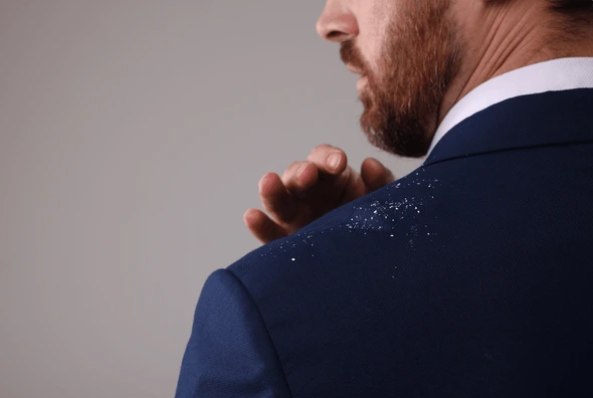
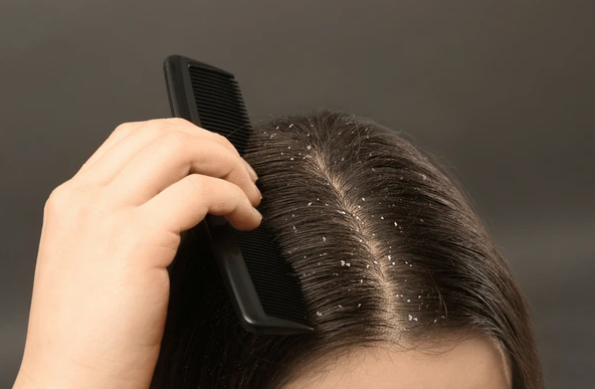
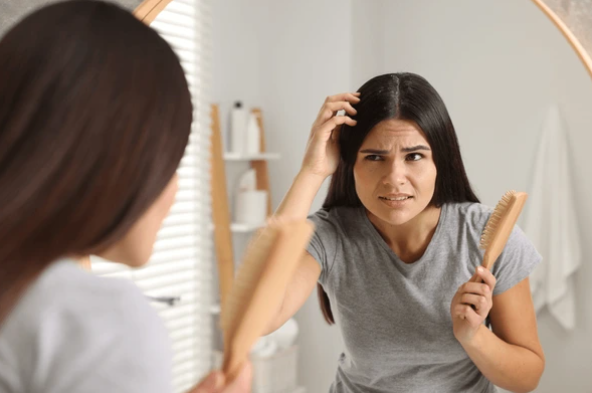
Dandruff, a common and often embarrassing scalp condition, affects up to half of the adult population worldwide. It is a chronic problem characterized by an itchy scalp and the shedding of visible flakes of skin. Far from just a cosmetic concern, it can cause significant discomfort and self-consciousness. The key to effective relief is understanding the difference between temporary fixes and a consistent, long-term approach.
1. What Are the Best Medical and OTC Treatments for Dandruff?
For many, the first step in combating a flaky scalp is turning to over-the-counter (OTC) solutions. Understanding what makes these products effective is key to choosing the best dandruff treatment.
1.1. The Science Behind Medicated Shampoos
The most common and effective way to treat dandruff is by using medicated shampoos designed to target its underlying causes. Most medicated shampoos work by either slowing down the shedding of skin cells or by fighting the fungus (Malassezia globosa) that contributes to the condition. These shampoos are often considered the best dandruff solutions for consistent, long-term management.
1.2. Key Active Ingredients and How They Work
The active ingredients in anti-dandruff shampoos are what truly make them effective. Choosing the right one for your specific scalp can make a significant difference.
Pyrithione Zinc: This is a very common ingredient that has antifungal and antibacterial properties. It targets the fungus Malassezia and helps to slow down the rate of skin cell turnover, reducing flaking.
Selenium Sulfide: Another powerful antifungal agent that is very effective at reducing the growth of Malassezia. It is also known for its ability to slow down skin cell turnover, offering both an antifungal and a cytostatic effect.
Ketoconazole: A broad-spectrum antifungal agent that can be found in both OTC and prescription-strength shampoos. It is highly effective at killing the fungus responsible for dandruff and is often recommended for more severe cases.
Salicylic Acid: This ingredient helps to remove scales and flakes from the scalp. It works as an exfoliant, breaking down the clumps of skin cells so they can be easily washed away. It is often combined with other antifungal agents.
Coal Tar: This ingredient works by slowing down how quickly skin cells on your scalp die and flake off. It is also effective at reducing an itchy scalp, though it can discolor light-colored hair and has a strong smell.
1.3. When to Seek Professional Medical Treatment
While OTC medicated shampoos are highly effective for most cases, there are times when professional medical advice is needed. If you’ve been using a medicated shampoo regularly for several weeks and your symptoms have not improved, or if you experience severe redness, inflammation, or pain, you should consult a doctor. A doctor can prescribe a stronger, prescription-strength shampoo or other treatments. This is especially important for conditions that mimic dandruff, such as seborrheic dermatitis, scalp psoriasis, or a fungal infection, which may require a specific diagnosis.
Expert Answer: Yes, a regular shampoo that is not designed to treat dandruff can sometimes make the condition worse, especially if it contains harsh ingredients or is used infrequently. The key to managing dandruff is to use an antifungal shampoo consistently to keep the scalp fungus under control and remove dead skin cells. (American Academy of Dermatology Association – AAD).
2. How to Get Rid of Dandruff with Natural and Home Remedies?
For those who prefer a more natural approach or are looking for complementary solutions, a variety of natural remedies for dandruff can be effective. These methods often target inflammation or have antifungal properties, offering a gentler alternative to medicated products.
2.1. The Science Behind Home Remedies
Many home remedies for dandruff work by leveraging natural ingredients that have antifungal, antibacterial, or anti-inflammatory properties. While these remedies may not be as potent as medicated shampoos, they can provide relief for mild cases or be used as part of a broader scalp care routine.
2.2. Popular Natural Remedies and How They Work
Tea Tree Oil: Tea tree oil has long been used in traditional medicine for its antifungal and antiseptic properties. Studies have shown that shampoos containing tea tree oil can help reduce the severity of dandruff. It’s important to dilute tea tree oil before applying it to the scalp to avoid irritation.
Apple Cider Vinegar: Apple cider vinegar is a popular dandruff solution home remedies. It is believed to work by altering the pH of the scalp, making it a less hospitable environment for the fungus Malassezia. It can also help to remove product buildup and flakes.
Coconut Oil: Coconut oil is known for its moisturizing properties and can help with a dry, flaky scalp. Some research also suggests it has antifungal properties that may help to combat dandruff-causing fungus.
Baking Soda: A paste made from baking soda for dandruff can act as a gentle exfoliant to help remove flakes from the scalp. It is also an antifungal agent that can help balance the pH of the scalp.
Aloe Vera: Aloe vera is a natural anti-inflammatory and can soothe an itchy, irritated scalp. Applying aloe vera gel directly to the scalp can provide significant relief from discomfort.
2.3. How to Use Natural Remedies
How can i get rid of dandruff overnight? While some remedies may provide fast relief, it’s not realistic to expect to get rid of dandruff in one wash or overnight. Consistent use of a remedy over several weeks is necessary for noticeable results.
How to get rid of dandruff naturally: The most effective approach is to apply the chosen remedy directly to the scalp, massage it in, and leave it on for a period of time before rinsing. Diluting potent ingredients like tea tree oil is crucial to prevent irritation.
3. How to Get Rid of Dandruff Permanently?
For many, the ultimate goal is to find a dandruff cure that provides a permanent solution. The reality is that dandruff is a chronic condition that, while not curable, can be managed indefinitely with a consistent and proactive approach.
3.1. The Myth of a “Permanent Cure”
The idea of a “dandruff cure” or “how to cure dandruff permanently” is a common misconception. Dermatologists explain that dandruff is a recurring condition caused by the natural shedding of skin cells and the presence of the Malassezia fungus. Because these are natural biological processes, the condition cannot be permanently cured.
However, this doesn’t mean you have to live with it. A consistent, effective treatment plan can manage the condition so well that it appears to be gone forever, effectively providing a long-term, permanent solution through management.
3.2. Long-Term Management vs. Cure
The focus for long-term dandruff removal should be on management rather than a cure.
Consistent Routine: The key is to find a routine that works for your scalp and stick with it. This may involve using an anti-dandruff shampoo 2-3 times a week initially, and then reducing its use to once or twice a week as a preventative measure.
Identifying Triggers: Factors like stress, diet, and infrequent hair washing can all trigger a flare-up. By identifying and managing these triggers, you can reduce the likelihood of a relapse.
3.3. How to Get Rid of Dandruff Permanently (The Action Plan)
Find Your “Go-To” Shampoo: Experiment with medicated shampoos containing different active ingredients until you find one that effectively controls your flaking and itching.
Establish a Maintenance Routine: Once your dandruff is under control, continue using the effective medicated shampoo once or twice a week to keep the fungus and flaking at bay.
Focus on Scalp Health: Avoid harsh hair products, excessive heat styling, and tight hats that can irritate the scalp.
Manage Stress: Since stress is a major trigger, incorporating stress-management techniques like yoga, meditation, or exercise can help prevent flare-ups.
Expert Answer: No, there is no one-time cure for dandruff. The condition is a natural, recurring process. However, the good news is that it is a highly treatable and manageable condition. By using a consistent treatment regimen, most people can effectively control their symptoms and keep their scalp healthy and free of flakes. (National Institute of Arthritis and Musculoskeletal and Skin Diseases – NIAMS/NIH).
4. How to Remove Dandruff Quickly and Instantly?
The desire for a quick fix is common, and many search for “how to get rid of dandruff fast” or “how to get rid of dandruff in one wash.” While a single treatment won’t provide a permanent cure, there are ways to achieve rapid, noticeable relief.
4.1. Quick-Fix Solutions for Immediate Relief
Medicated Shampoos: The fastest and most effective method for immediate relief is a medicated shampoo. For a quick result, use a shampoo with a strong active ingredient like ketoconazole or selenium sulfide. Lather it in and leave it on your scalp for the full recommended time (often 5-10 minutes) before rinsing.
Scalp Scrub: A dedicated scalp scrub or a homemade scrub using a gentle exfoliant (like sugar or salt mixed with a carrier oil) can help physically remove flakes from your hair and scalp. This can provide an immediate sense of relief, but should be followed by a medicated shampoo.
How to get rid of dandruff in one wash: While one wash won’t cure the problem, it can significantly reduce the visible flakes. The key is to use a powerful medicated shampoo and ensure it makes contact with your scalp for a prolonged period.
4.2. Clarifying “Instantly” vs. “Long-term”
“Instantly”: Refers to the immediate removal of visible flakes from the hair and scalp.
“Long-term”: Refers to the underlying treatment of the condition to prevent the flakes from returning.
A quick fix can remove the visible signs, but only a consistent, long-term routine will address the root cause and prevent future flare-ups.
Expert Answer: While it’s not possible to completely get rid of dandruff in 5 minutes, you can achieve a significant reduction in visible flakes. The best way is to use a medicated shampoo with a potent ingredient and ensure you massage it thoroughly into your scalp for a few minutes. You may not get a full dandruff cure, but you can achieve a clean look temporarily. (MedlinePlus.gov).
5. How to Prevent Dandruff from Coming Back?
The key to long-term success with dandruff management is prevention. A consistent routine and a focus on scalp health can help you effectively keep the condition at bay.
5.1. The Importance of a Consistent Scalp Care Routine
A routine is your best defense against recurring dandruff.
Regular Washing: Don’t wait for flakes to appear before washing your hair. Regular washing with an anti-dandruff shampoo helps to keep the fungus under control and prevent the buildup of dead skin cells.
Find Your Rhythm: The frequency of washing depends on your hair and scalp type. Individuals with an oily scalp may need to wash more frequently, while those with a dry scalp may need to wash less often.
Avoid Irritants: Avoid hair products that contain harsh chemicals, fragrances, or alcohol, which can irritate the scalp and trigger a flare-up.
5.2. Lifestyle Factors and Diet
Your lifestyle can have a significant impact on your scalp health.
Stress Management: Stress is a known trigger for dandruff. Incorporating stress-management techniques like meditation, yoga, or exercise can help to reduce flare-ups.
Healthy Diet: A diet rich in zinc, B vitamins, and healthy fats can support overall skin and scalp health.
Sun Exposure: Moderate sun exposure can be beneficial in controlling dandruff, but always protect your skin from harmful UV rays.
Q: What to do for dandruff that keeps coming back?
Expert Answer: If your dandruff keeps coming back despite using an anti-dandruff shampoo, it may be time to consult a doctor. The issue may be a more severe form of dandruff (seborrheic dermatitis) or a different scalp condition altogether (like psoriasis or eczema) that requires a specific medical diagnosis and treatment. (National Institute of Arthritis and Musculoskeletal and Skin Diseases – NIAMS/NIH).
If you are struggling to manage recurring dandruff, or if your symptoms are severe, don’t hesitate to seek professional advice. MaNaDr offers a discreet and convenient platform to connect with online doctors 24/7 for expert consultations.
Disclaimer: This article is for informational purposes only and does not constitute medical advice. Always consult with a qualified healthcare professional for diagnosis and treatment of any medical condition.
American Academy of Dermatology Association (AAD). (n.d.). What is Dandruff? Retrieved fromhttps://www.aad.org/public/everyday-care/hair-scalp-care/scalp/treat-dandruff
National Institute of Arthritis and Musculoskeletal and Skin Diseases (NIAMS/NIH). (n.d.). Seborrheic Dermatitis. Retrieved fromhttps://www.ncbi.nlm.nih.gov/books/NBK551707/