Hypertension (High Blood Pressure): Causes & Symptoms: Know the Full Picture: Why 130/80 Isn’t “Normal” - - Manadr
Hypertension (High Blood Pressure): Causes & Symptoms: Know the Full Picture: Why 130/80 Isn’t “Normal”
MaNaDr2021-10-30
This comprehensive guide will delve into what is hypertension, explore the often-undetected symptoms of high blood pressure, uncover what causes high blood pressure, examine the severe effects of high blood pressure if left uncontrolled, and detail how to treat high blood pressure effectively. By understanding the full picture, you can take proactive steps to manage your health and prevent serious complications.
1. What Exactly Is Hypertension (High Blood Pressure)?
Understanding what is hypertension begins with grasping what blood pressure represents and how its levels are categorized according to modern medical guidelines. Far from just a number, high blood pressure is a critical indicator of cardiovascular health.
1.1. Defining Hypertension and Blood Pressure Readings
Hypertension refers to persistently elevated pressure within your arteries. It’s the force of blood pushing against the walls of your blood vessels as your heart pumps. The blood pressure high reading is expressed in two numbers:
Systolic Pressure (Top Number): This represents the pressure in your arteries when your heart beats (contracts), pushing blood out.
Diastolic Pressure (Bottom Number): This represents the pressure in your arteries when your heart rests between beats, filling with blood.
1.2 How to Read Blood Pressure Readings
Understanding your blood pressure numbers is straightforward once you know what each part means. A blood pressure reading is always given as two numbers, written as a fraction, for example, 120/80 mmHg.
The top number (Systolic Pressure): This number indicates the pressure in your arteries when your heart muscle contracts and pushes blood out into the body. It represents the peak pressure in your blood vessels.
The bottom number (Diastolic Pressure): This number indicates the pressure in your arteries when your heart muscle relaxes between beats. It represents the lowest pressure in your blood vessels as your heart fills with blood.
Both numbers are important for assessing your cardiovascular health. Your doctor will consider both when evaluating your blood pressure and determining if it falls into a healthy range or if intervention is needed.
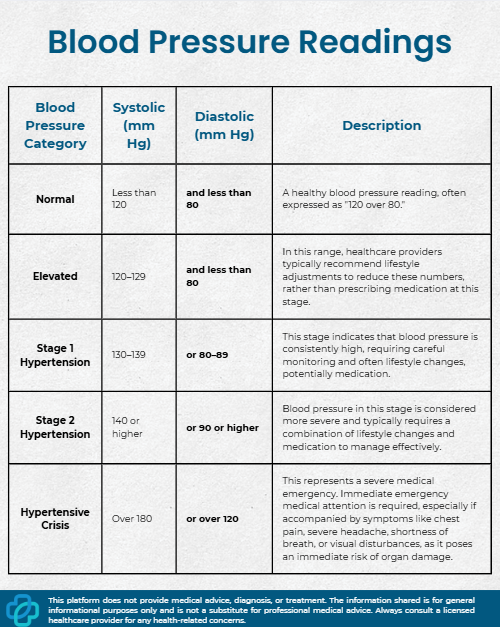
A hypertension definition outlines specific thresholds for these numbers. According to guidelines from the American Heart Association (AHA) and the American College of Cardiology (ACC), updated in 2017, blood pressure categories are:
1.3. Expert Insight: The Silent Epidemic
Expert Insight: A common myth is that “my blood pressure must be fine because I don’t feel any different, or one slightly high reading isn’t a big deal.” However, leading cardiology organizations emphasize the crucial fact that hypertension is often a “silent killer” precisely because it typically causes no noticeable symptoms of high blood pressure until it’s already reached dangerously high levels or caused significant organ damage. You cannot rely on how you feel to detect it; consistent and accurate blood pressure monitoring is the only way to truly know your numbers and identify elevated blood pressure symptoms before serious complications arise.
2. What Are the Symptoms and Signs of High Blood Pressure?
One of the most insidious aspects of hypertension is its often asymptomatic nature. Many people live with high blood pressure for years without experiencing any noticeable signs of high blood pressure, which is why it’s frequently dubbed “the silent killer.” You cannot tell you have high blood pressure just by how you feel.
2.1. The “Silent Killer”: Often No Symptoms
For most individuals, there are no obvious symptoms of high blood pressure. This makes it incredibly challenging to answer questions like “how do you know if you have high blood pressure” or “how to know if you have high blood pressure” without regular measurements. The blood vessels are resilient and can withstand increased pressure for a long time without causing perceptible pain or discomfort. This means that by the time high blood pressure symptoms become apparent, the condition may already be severe or causing damage to vital organs.
2.2. Symptoms of Severely High Blood Pressure (Hypertensive Crisis)
While most cases of high blood pressure are asymptomatic, extremely elevated readings, indicative of a hypertensive crisis, can manifest with acute and severe signs of high blood pressure. These symptoms of hbp demand immediate medical attention as they signal a medical emergency:
Severe Headache: Often described as a throbbing or pounding headache, different from a typical tension headache.
Nosebleeds: Unexplained or recurrent nosebleeds.
Shortness of Breath: Difficulty breathing, even with minimal exertion.
Dizziness or Lightheadedness: A feeling of unsteadiness or faintness.
Chest Pain: Discomfort, pressure, or tightness in the chest, potentially indicating heart strain.
Vision Changes: Blurred vision, double vision, or flashing lights.
Blood in Urine: The presence of blood in the urine (hematuria).
Recognizing what are the symptoms of high blood pressure in these critical situations is paramount. If you experience any of these severe hypertension signs and symptoms, seek emergency medical care immediately.
2.3. Gender-Specific Considerations
While hypertension symptoms are generally the same across genders, there are some unique aspects for high blood pressure symptoms in women:
Pregnancy-Induced Hypertension: Conditions like preeclampsia, a serious complication of pregnancy, involve high blood pressure and can have severe consequences for both mother and baby.
Menopause: Hormonal changes during and after menopause can contribute to increased blood pressure in women.
Birth Control: Certain types of birth control pills can sometimes increase blood pressure.
2.4. When to Seek Medical Attention for High Blood Pressure
While high blood pressure is often silent, knowing when to seek medical attention is crucial for preventing severe complications. You should consult a healthcare professional in several key situations:
For Routine Check-ups: Even if you feel fine, regular blood pressure measurements are essential, especially if you are over 18. This is the only reliable way to identify hypertension early, before symptoms develop. Knowing “how to tell if you have high blood pressure” starts with consistent monitoring.
For Consistently Elevated Readings: If your blood pressure readings are consistently in the Elevated range (systolic 120-129 mmHg and diastolic less than 80 mmHg) or Stage 1 Hypertension (systolic 130-139 mmHg or diastolic 80-89 mmHg), you should consult your doctor. Even without symptoms, these levels indicate an increased risk that requires lifestyle adjustments and professional guidance.
For Suspected Hypertensive Crisis: If your blood pressure suddenly spikes to 180/120 mmHg or higher, or you experience severe symptoms of high blood pressure such as:
Severe headache
Chest pain
Shortness of breath
Numbness or weakness
Blurred vision or other vision changes
Difficulty speaking
Dizziness or lightheadedness
Nosebleeds Seek immediate emergency medical attention. This is a medical emergency that can lead to severe organ damage or life-threatening events like stroke.
For New or Worsening Symptoms: If you develop new or persistent symptoms that concern you, even if you don’t know your blood pressure, it’s wise to get checked. Symptoms like frequent headaches, unexplained fatigue, or swelling in your legs could be indicators of underlying issues, including elevated blood pressure.
To Understand Your Readings: If you’ve measured your blood pressure at home or a pharmacy and are unsure about “what does high bp indicate” for your health, consulting a doctor can provide clarity and a personalized assessment.
Don’t wait for severe high blood pressure symptoms to appear. Proactive monitoring and timely medical consultation are key to effective management and prevention of serious health issues.
If you’re experiencing any concerning symptoms or simply seeking guidance on your blood pressure readings, connecting with a healthcare professional is a vital first step. MaNaDr offers a discreet way to consult with online doctors 24/7 to discuss your concerns and gain initial guidance from home
3. What Causes High Blood Pressure (Hypertension)?
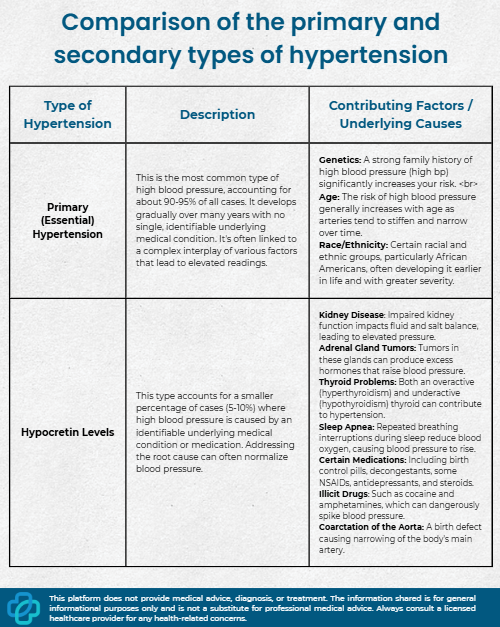
Understanding what causes high blood pressure is complex, as it often results from a combination of factors rather than a single identifiable cause. For most people, hypertension is categorized into two main types: primary and secondary. Knowing the causes of high blood pressure helps in prevention and management.
Here’s a comparison of the primary and secondary types of hypertension, outlining their key distinctions and contributing factors:
3.3. Risk Factors
Beyond the primary and secondary causes, several lifestyle and health-related risk factors significantly increase the likelihood of developing hypertension or worsening existing high blood pressure:
Obesity: Being overweight or obese increases the strain on your heart and can lead to higher blood pressure.
Physical Inactivity: A sedentary lifestyle contributes to obesity and directly impacts cardiovascular health, raising blood pressure.
Unhealthy Diet:
High Sodium Intake: Consuming too much salt causes the body to retain fluid, increasing blood volume and pressure. This is a common reason of bp increase.
Low Potassium Intake: Potassium helps balance sodium levels. Insufficient potassium can lead to sodium retention.
High Saturated/Trans Fats: Can contribute to arterial stiffness.
Excessive Alcohol Consumption: Heavy and regular alcohol intake can raise blood pressure.
Smoking: Tobacco damages artery walls, accelerates hardening of the arteries, and causes blood pressure to temporarily spike.
Stress: Chronic stress can lead to temporary increases in blood pressure. Long-term stress management is crucial.
Chronic Conditions: Diseases like diabetes and sleep apnea are strong risk factors for developing hypertension.
4.2. Major Health Risks and Complications
The effects of high blood pressure can impact nearly every system in the body:
Heart Attack and Stroke:Hypertension is a primary cause of heart attack and stroke, which are leading causes of death worldwide. Damaged arteries are more susceptible to blockages (leading to heart attack) or rupture (leading to hemorrhagic stroke).
Heart Failure: The heart has to work harder to pump blood against increased pressure. Over time, this extra effort can cause the heart muscle to thicken and weaken, leading to heart failure
Kidney Disease and Failure: High blood pressure damages the small blood vessels in the kidneys, impairing their ability to filter waste from the blood. This can lead to chronic kidney disease and, eventually, kidney failure.
Vision Loss: High blood pressure can damage the tiny blood vessels supplying the eyes, leading to retinopathy, which can cause blurred vision or even blindness.
Peripheral Artery Disease (PAD): Hardening and narrowing of arteries in the legs, arms, stomach, and head, leading to pain, cramping, and reduced blood flow.
Aneurysm: Chronic high pressure can weaken blood vessels, causing them to bulge and potentially rupture, leading to dangerous internal bleeding.
Sexual Dysfunction: Damage to blood vessels can impair blood flow to the penis, leading to erectile dysfunction in men.
Dementia and Cognitive Decline: High blood pressure can contribute to vascular dementia and other forms of cognitive impairment by damaging blood vessels in the brain.
These hbp side effects underscore the severe risks of letting hypertension go uncontrolled.
4.3. Understanding Hypertensive Crisis
A hypertensive crisis is a medical emergency characterized by a blood pressure reading that rapidly reaches 180/120 mmHg or higher. This requires immediate medical attention to prevent severe organ damage, including stroke, heart attack, or kidney failure. Symptoms include severe headache, chest pain, vision changes, shortness of breath, or numbness/weakness.
4.4. Expert Insight: Even “Mildly” High BP is a Risk
Expert Insight: A common myth is that “I only need to worry about high blood pressure if it’s extremely high, like above 140/90 mmHg, or if I have symptoms.” However, leading cardiovascular organizations emphasize the crucial fact that even “mildly” elevated blood pressure, such as Stage 1 high blood pressure (130/80 mmHg or higher), significantly increases your long-term risk of heart attack, stroke, kidney disease, and other serious complications. Damage to blood vessels begins even at these lower elevated levels. Consistent monitoring and management at all elevated stages are crucial to prevent cumulative, long-term harm to your body.
5. How Is High Blood Pressure Treated and Managed?
Effectively managing high blood pressure is a lifelong commitment that significantly reduces the risk of serious complications. The goal of hypertension treatment is to lower blood pressure to target levels, thereby protecting your organs and improving your overall health. For those asking “what to do for high blood pressure” or “how to treat high blood pressure,” a combination of lifestyle changes and, often, medication is key.
5.1. Goals of Treatment
The primary goals when treating high blood pressure are:
Lower Blood Pressure to Target Levels: For most adults, the target blood pressure is typically less than 130/80 mmHg, but your doctor will set an individualized goal for you.
Prevent Complications: By controlling blood pressure, the risk of heart attack, stroke, kidney disease, and other effects of high blood pressure is dramatically reduced.
Improve Quality of Life: Effective management helps individuals live healthier, more active lives.
For many individuals, especially in the early stages, lifestyle changes are the first and most important step in reducing blood pressure. Even with medication, these changes are vital.
Dietary Changes:
DASH Diet: The Dietary Approaches to Stop Hypertension (DASH) eating plan emphasizes fruits, vegetables, whole grains, lean protein, and low-fat dairy while limiting saturated fat, cholesterol, and sodium.
Reduce Sodium Intake: Cutting back on salt (sodium) is critical, as it contributes to fluid retention and higher blood pressure. Aim for less than 2,300 mg of sodium per day, and ideally less than 1,500 mg for most adults.
Increase Potassium Intake: Foods rich in potassium (e.g., bananas, avocados, spinach) can help balance sodium levels and lower blood pressure.
Regular Physical Activity: Aim for at least 150 minutes of moderate-intensity aerobic exercise or 75 minutes of vigorous-intensity exercise per week. Regular activity strengthens the heart and lowers blood pressure.
Weight Management: Losing excess weight, if you are overweight or obese, can significantly reduce blood pressure and is a powerful strategy for why do i have high blood pressure.
Limit Alcohol Consumption: If you drink alcohol, do so in moderation (up to one drink per day for women, up to two for men).
Quit Smoking: Smoking damages blood vessels and dramatically increases hypertension risk. Quitting is one of the most impactful steps for cardiovascular health.
Stress Management: Chronic stress can contribute to high blood pressure. Techniques like mindfulness, meditation, yoga, or spending time in nature can help manage stress levels.
Adequate Sleep: Prioritizing 7-9 hours of quality sleep per night is important for overall cardiovascular health.
5.3. Medications for Hypertension
If lifestyle changes alone aren’t sufficient, your doctor may prescribe hypertension medication. Often, a combination of drugs is needed to achieve target blood pressure.
Diuretics (Water Pills): Help the body eliminate excess sodium and water, reducing blood volume. (e.g., thiazide diuretics).
ACE Inhibitors (Angiotensin-Converting Enzyme Inhibitors) & ARBs (Angiotensin Receptor Blockers): Relax blood vessels by blocking the production or action of hormones that narrow them. (e.g., lisinopril, losartan).
Beta-Blockers: Reduce heart rate and the heart’s workload. (e.g., metoprolol).
Other Medications: Alpha-blockers, alpha-beta blockers, central-acting agents, and vasodilators may be used in specific cases.
Your doctor will choose the appropriate hypertension drugs based on your specific condition, other health issues, and individual response.
5.4. Regular Monitoring and Follow-up
Consistent monitoring is crucial for successful hypertension management.
Home Blood Pressure Monitoring: Regularly checking your blood pressure at home provides valuable data for your doctor and helps you track your progress. Knowing “what to do when your blood pressure is high” often starts with a home reading.
Regular Doctor Visits: Scheduled appointments with your healthcare provider are essential to monitor your blood pressure, assess your overall health, and adjust medications or lifestyle plans as needed.
Conclusion
Hypertension, or high blood pressure, is a widespread and often silent condition that poses a significant threat to global health. Understanding what is hypertension, recognizing that even readings like 130/80 mmHg aren’t “normal” according to current guidelines, and being aware of the subtle symptoms of high blood pressure are the first critical steps towards protecting your health. While its causes are complex and range from genetics to lifestyle, the effects of high blood pressure if left uncontrolled can be devastating, leading to heart attack, stroke, kidney disease, and more.
The good news is that hypertension is treatable and manageable. Through a combination of disciplined lifestyle modifications and, when necessary, appropriate medications, millions can effectively control their blood pressure high and significantly reduce their risk of severe complications. Don’t let this “silent killer” go unchecked. Take proactive steps, know your numbers, and partner with healthcare professionals for consistent management.
Disclaimer: This article is for informational purposes only and does not constitute medical advice. Always consult with a qualified healthcare professional for diagnosis and treatment of any medical condition.
References
American Heart Association (AHA). (n.d.). About High Blood Pressure. Retrieved fromhttps://www.heart.org/en/health-topics/high-blood-pressure/the-facts-about-high-blood-pressure
American College of Cardiology (ACC). (n.d.). Guideline Resources: Hypertension. Retrieved fromhttps://www.acc.org/Latest-in-Cardiology/Articles/2024/02/05/11/43/2023-ESH-Hypertension-Guideline-Update
Centers for Disease Control and Prevention (CDC). (n.d.). High Blood Pressure Facts. Retrieved fromhttps://www.cdc.gov/high-blood-pressure/data-research/facts-stats/index.html