


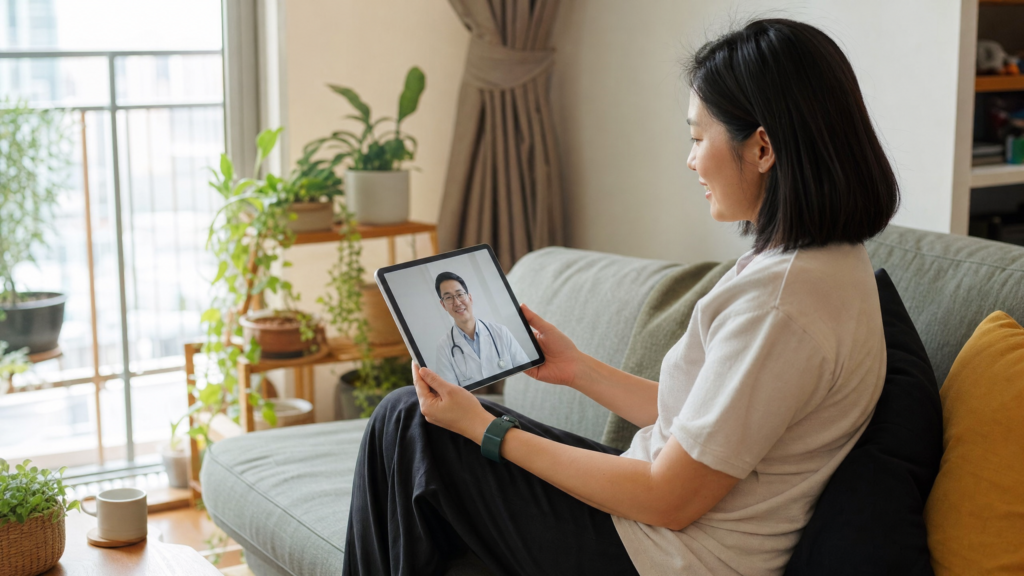
Booking a doctor on your phone and getting advice, a prescription, or an MC within minutes sounds almost too easy. So before you try it, it’s fair to ask: is telemedicine legal in Singapore, and is it actually safe, or are you getting a lesser version of “real” care?
The short answer: when you use a proper, licensed provider like MaNaDr, telemedicine is a safe, legal and recognised part of Singapore’s healthcare system. This guide walks through how online consultations are regulated, when a teleconsult is the right choice, when you should still go in person, how to get an MC or prescription online, and how to tell a trustworthy online doctor from a risky one, so you can decide with confidence.
Let’s clear up the biggest worry first, because “is telemedicine legal in Singapore” and “is telemedicine allowed in Singapore” are two of the most common things patients search before their first online visit. The answer is yes. Online consultations here are not a grey area as they sit squarely within Singapore’s healthcare rules:
In other words, a legitimate teleconsultation is a real medical consultation, just delivered over video or phone instead of across a desk. That regulation is exactly why online care has moved from novelty to mainstream; if you’re curious about the bigger picture, MaNaDr explains why telemedicine has become part of everyday care in Singapore.
Legal and safe aren’t quite the same question. Telemedicine is safe in Singapore when three things are true: a licensed doctor actually assesses you, the consultation is properly documented, and the provider knows the limits of what can be handled remotely.
A good online consultation is not a shortcut around clinical judgement. The doctor still takes a history, asks about your symptoms, checks your existing conditions, allergies and current medications, and only then decides whether medication, an MC, or an in-person referral is appropriate. When those steps happen, an online consult is every bit as legitimate as a walk-in visit. The risk isn’t the format, but rather using a provider that skips the assessment. That’s the single biggest thing to watch for, and it’s covered in the checklist further down.
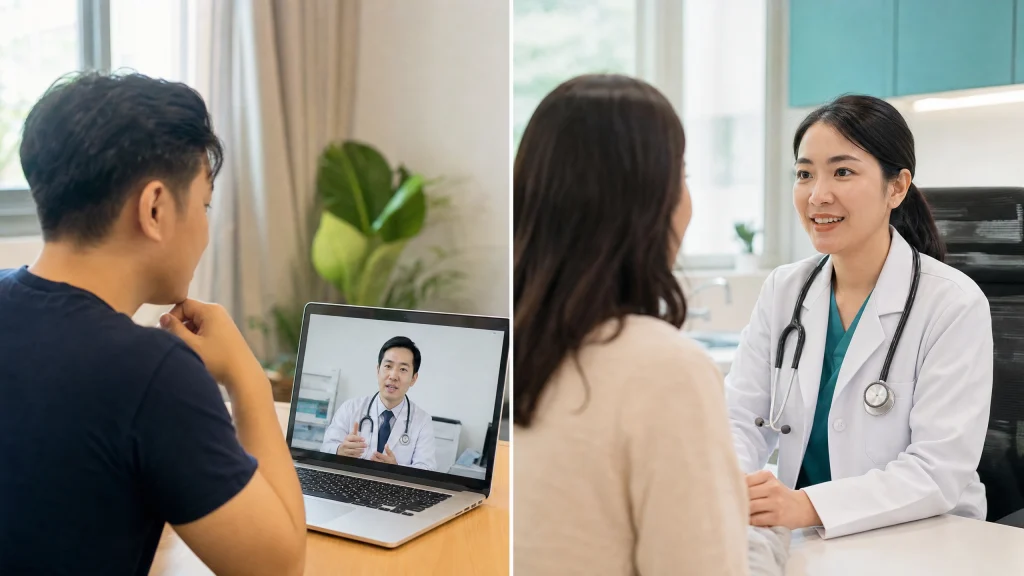
Telemedicine is safe and effective for the right situations. The trick is matching the setting to the need.
Safety isn’t about online versus in-clinic, but it’s about using each for what it does best. A responsible online doctor in Singapore will tell you when it’s time to be seen in person, and that hand-off is a sign the system is working, not failing. And when you do need to be seen face-to-face, booking a clinic visit online keeps that next step just as easy.
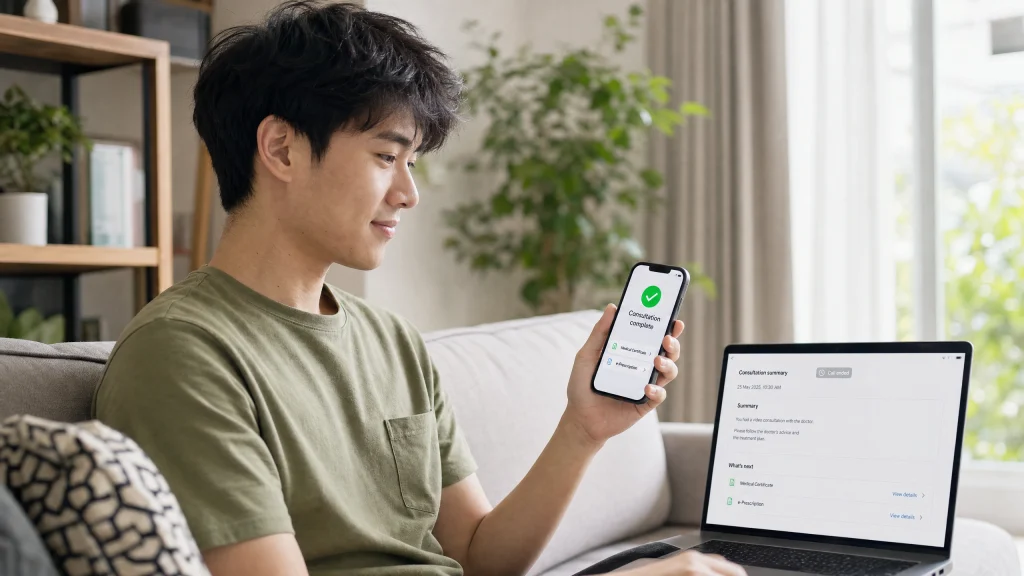
Yes, and this is where telemedicine proves its everyday value. When it’s clinically appropriate, a licensed doctor can issue a medical certificate (MC) online during your teleconsultation, and can also send an e-prescription straight to your phone. Many people search “telemedicine Singapore MC” or “online MC Singapore” precisely because they’re unwell, can’t get to a clinic, and need documentation for work.
Two honest caveats keep this safe:
Want the full walkthrough of how the medication side works? MaNaDr has a step-by-step guide to getting an online prescription in Singapore.
Not every app is equal. Before you consult, look for:
This emphasis on standards, records and data isn’t accidental. Singapore has been steadily formalising how health information and digital healthcare are handled for clinics, that includes the national rules governing health information in Singapore. The same drive for safe, standardised care is what makes trustworthy telemedicine possible in the first place.
A fair follow-up question to “is it safe?” is “is my data safe?”. Reputable telemedicine providers in Singapore must comply with the Personal Data Protection Act (PDPA) and healthcare data-protection requirements – the same obligations a physical clinic carries. That means secured systems, access controls, and information shared only with the people involved in your care. If you want the patient’s-eye view of this, see who can see your medical records in Singapore.
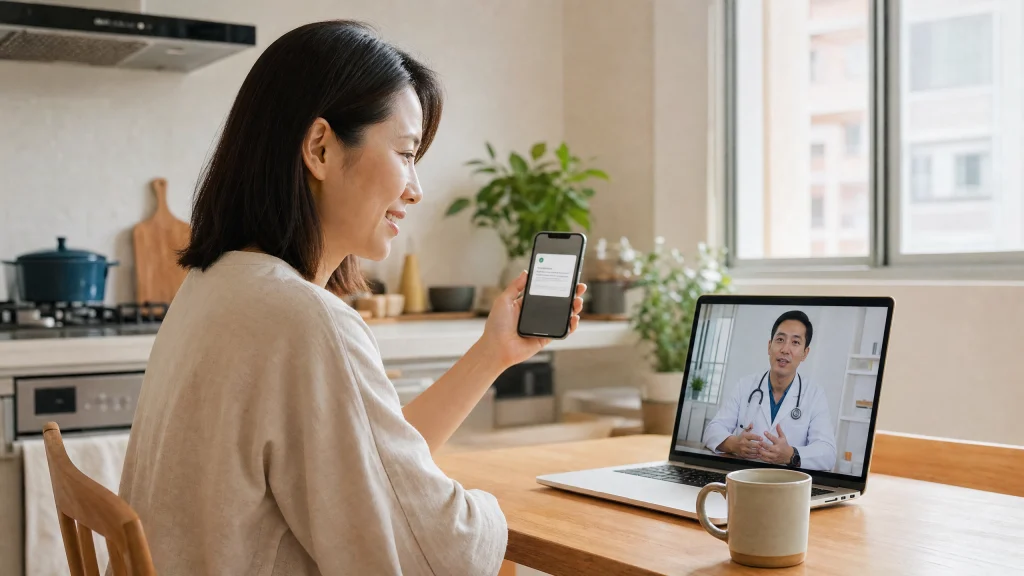
So here’s the honest takeaway. Telemedicine in Singapore is legal, regulated and safe – a legitimate form of care that’s ideal for many everyday health needs, backed by SMC-licensed doctors and real clinical standards. The “when you choose well” part matters: use it for what it’s suited to, pick a reputable provider, protect your data by sticking to trusted apps, and don’t hesitate to go in person when your situation calls for it.
Ready to try it with licensed doctors? You can book a teleconsultation on the MaNaDr App to get advice, an MC or a prescription when appropriate, and get seen in person when you need to.
Yes. Telemedicine is permitted and regulated under the Ministry of Health’s national telemedicine guidelines, with consultations provided by Singapore-licensed (SMC-registered) doctors.
It is, when a licensed doctor properly assesses you, the consult is documented, and the provider refers you in person when a condition needs hands-on care. The format is safe; the thing to avoid is any service that dispenses medication with no real consultation.
Yes, when it’s clinically appropriate. A doctor can issue a medical certificate during a teleconsultation if they assess that you’re unfit for work. It’s a clinical decision, so it isn’t guaranteed with every consult.
Yes, for many common conditions. A licensed doctor can issue an e-prescription after assessing you, though certain controlled medicines and anything needing a physical exam still require an in-person visit.
For many common issues, yes. But some conditions need a physical examination or tests, a good online doctor will refer you to an in-person visit when necessary.
Look for clearly identified licensed doctors, transparent pricing, proper consultation records, clear data-protection practices, and responsible prescribing.