MaNaDr Medical Notes - What is Malaria: Definition, Causes & Diagnosis + A Single Mosquito Bite Could Lead to This Life-Threatening Disease! - Manadr
What is Malaria: Definition, Causes & Diagnosis + A Single Mosquito Bite Could Lead to This Life-Threatening Disease!
MaNaDr2022-04-25
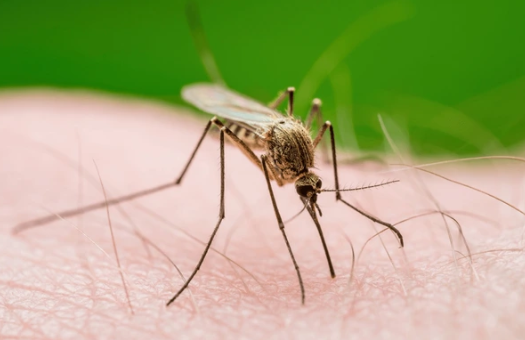
Malaria is a life-threatening, widespread, and often devastating infectious disease caused by a parasitic infection. It is transmitted to humans through the bites of infected mosquitoes. This condition, which can progress from a seemingly simple fever to a severe, life-threatening illness, poses a significant global health threat. As the title suggests, the simple act of a single mosquito bite could lead to a severe and life-threatening disease if not prevented or treated properly.
1. What Exactly Is Malaria?
1.1. Defining Malaria
Malaria is a severe infectious disease caused by a parasite of the genus Plasmodium. It is transmitted to humans through the bite of an infected female Anopheles mosquito. When the infected mosquito bites a person, it injects these parasites into the bloodstream. These parasites then travel to the liver, where they mature and multiply, before re-entering the bloodstream to infect and destroy red blood cells.
Essentially, “what is malaria” describes a systemic parasitic infection that leads to a cycle of fever, chills, and flu-like illness. The malaria disease definition highlights its origin as a parasitic infection and its transmission vector, the mosquito.
1.2. The Malaria Parasite
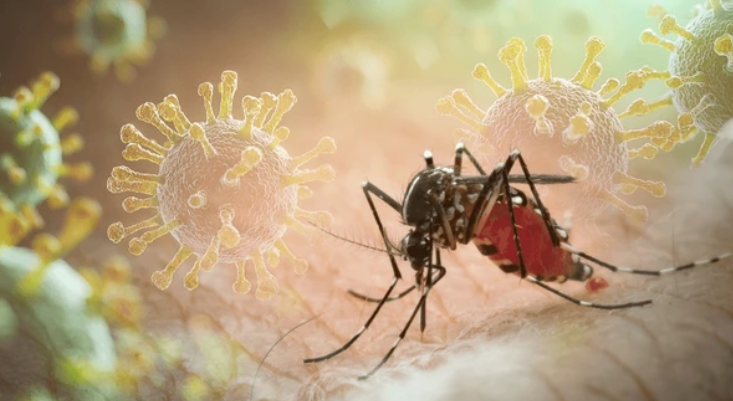
A crucial distinction to make is that malaria is a parasite, not a virus or bacterium. The parasite that causes malaria belongs to the genus Plasmodium, with five main species that infect humans:
P. falciparum: The most dangerous species, responsible for the most severe forms of malaria and the majority of deaths globally.
P. vivax: The most geographically widespread species, often causing less severe but recurring symptoms.
P. ovale and P. malariae: These species are less common and typically cause milder forms of the disease.
P. knowlesi: A species found in monkeys that can also infect humans, primarily in Southeast Asia.
Understanding “is malaria a parasite” is critical, as it dictates the type of medication required for malaria treatment (antimalarial drugs, not antivirals or antibiotics).
1.3. How Common is Malaria?
Malaria remains a significant global health challenge, particularly in sub-Saharan Africa, South Asia, and parts of Latin America.
Global Burden: According to the World Health Organization (WHO), in 2023, there were an estimated 249 million cases of malaria worldwide, resulting in an estimated 608,000 deaths. The majority of these deaths (around 76%) were among children under 5 years old, highlighting the disease’s devastating impact on young populations (World Health Organization – WHO).
Seasonal and Regional Impact: The burden of malaria is heaviest in the WHO African Region, which accounted for approximately 94% of all cases and 95% of all deaths in 2023. This underscores why it is a major focus for global health initiatives.
Progress and Challenges: While there has been significant progress in reducing the global malaria burden in recent years, the COVID-19 pandemic and other geopolitical factors have caused a setback in some areas. The global community continues to face the challenges of climate change impacting mosquito habitats and the emergence of drug-resistant parasites.
1.4. Expert Insight: It’s Not a Virus
Expert Insight: A common myth is that “malaria is a virus” or “malaria is a viral disease.” However, public health experts and infectious disease specialists emphasize the crucial fact that malaria is a parasitic disease caused by a specific parasite transmitted by mosquitoes. This is a fundamental distinction from viral diseases like dengue or Zika. This understanding is vital because the malaria treatment and management strategies, such as antimalarial drugs, are specifically designed to target the parasite, not a virus.
2. What Are the Symptoms and Signs of Malaria?
Recognizing the malaria symptoms is crucial for early diagnosis and treatment. The malaria parasite‘s lifecycle within the human body causes a characteristic set of symptoms that often mimic the flu, but can be much more severe. The phrase “malaria and symptoms” encompasses a wide range of manifestations, from initial fever to severe organ damage.
2.1. The Symptoms of Malaria
The symptoms in malaria typically begin 10 to 15 days after the mosquito bite. However, in some cases, symptoms may not appear for up to several months, depending on the type of parasite and the individual’s immune response. The classic symptoms of malaria often appear in cyclical patterns, known as paroxysms:
High Fever: A high fever, often with a feeling of being extremely cold, is a hallmark of the disease. The fever can spike and then subside, only to return hours later. This is often referred to as a “malaria fever.”
Chills: Shaking chills, often severe and debilitating.
Headache: A persistent and often intense headache.
Sweating: Profuse sweating after the fever breaks.
Muscle and Joint Aches: Generalized body aches and joint pain.
Nausea and Vomiting: Gastrointestinal symptoms are common, including nausea and vomiting.
Tiredness: A feeling of intense fatigue and weakness.
These “signs symptoms of malaria” often make the individual feel as though they have a severe flu, which is why accurate diagnosis is critical.
2.2. Signs of Severe Malaria
If left untreated, malaria can progress to severe and life-threatening forms, particularly when caused by the P. falciparum species. The sign symptoms of malaria become much more pronounced and require immediate medical care:
Severe Anemia: The destruction of red blood cells by the parasite can lead to severe anemia, causing extreme weakness, paleness, and fatigue.
Cerebral Malaria: Swelling of the brain, leading to seizures, abnormal behavior, confusion, or coma. This is a life-threatening complication.
Respiratory Distress: Fluid buildup in the lungs, making breathing difficult.
Acute Kidney Failure: The kidneys’ ability to filter waste from the blood is compromised.
Jaundice: Yellowing of the skin and eyes, caused by liver dysfunction.
2.3. Who Is Most Vulnerable to Severe Malaria?
While anyone can get malaria, certain groups are at a higher risk of developing severe complications:
Infants and Children under 5 years old: Their immune systems are still developing, making them highly vulnerable.
Pregnant individuals: Both the mother and the unborn baby are at increased risk of severe malaria.
Individuals with HIV/AIDS: A weakened immune system makes it harder to fight off the infection.
Travelers from non-endemic areas: Individuals who travel to regions with high malaria transmission often lack natural immunity and are at risk for severe forms of the disease.
Expert Answer: The malaria parasite first travels to the liver, where it matures. It then enters the bloodstream to infect and destroy red blood cells. This destruction leads to a cascade of effects, including severe anemia, tissue damage, and the release of toxins that cause the characteristic high fever and chills. In severe cases, it can cause organ failure, including in the brain, lungs, and kidneys. (Centers for Disease Control and Prevention – CDC).
If you are concerned about symptoms, or if you have traveled recently to a region with malaria risk, MaNaDr offers a discreet way to consult with online doctors 24/7 to discuss your concerns and get guidance.
3. What Causes Malaria?
Understanding what causes malaria is crucial for both treatment and prevention. The disease is a result of a complex interplay between a parasite, a mosquito vector, and a human host. The question “what causes the disease malaria” is fundamentally about this biological cycle.
3.1. The Cause of Malaria
Malaria is caused by the parasite Plasmodium. This is a critical distinction, as some people mistakenly believe it is caused by a virus or bacteria. The parasite cannot complete its life cycle without both a mosquito and a human host, making the transmission process essential to the spread of the disease.
Parasite: The genus Plasmodium, with P. falciparum being the most common and deadliest species.
Vector: The female Anopheles mosquito. Only this genus of mosquito can transmit the parasite.
Human Host: The parasite requires a human host to reproduce and multiply, causing the symptoms of the disease.
3.2. The Transmission Cycle
For those wondering “how do you get malaria disease,” the transmission process is as follows:
Infected Mosquito Bites Human: An infected female Anopheles mosquito bites a human, injecting Plasmodium parasites into the bloodstream.
Parasites Travel to Liver: The parasites travel to the liver, where they multiply and mature into merozoites. This stage is asymptomatic.
Infection of Red Blood Cells: The merozoites leave the liver and enter the bloodstream, infecting red blood cells.
Symptomatic Stage: Inside the red blood cells, the parasites multiply rapidly, causing the red blood cells to burst. This release of parasites and toxins into the bloodstream triggers the classic malaria fever and chills.
Uninfected Mosquito Bites Infected Human: Another Anopheles mosquito bites the infected person, ingesting parasites from the blood.
Parasite Matures in Mosquito: The parasite matures inside the mosquito, and the cycle can begin again when the mosquito bites another human.
3.3. Key Factors That Influence Transmission
Mosquito Population: The prevalence of malaria is directly linked to the population of Anopheles mosquitoes and their biting habits.
Climate: Warm, humid climates are ideal for the mosquito to thrive and for the parasite to complete its life cycle inside the mosquito. This is why malaria is most common in tropical and subtropical regions.
Human Population Density: The presence of a large human population, especially in close proximity to mosquito habitats, increases the likelihood of the parasite being transmitted.
Drug Resistance: The emergence of drug-resistant parasites is a significant challenge to effective malaria treatment and control efforts.
4. How Is Malaria Treated, and Is It Curable?
A vital question for anyone diagnosed with or concerned about this infection is “is malaria curable?” The answer is a resounding yes, especially when detected and treated early. Malaria medication is highly effective at eliminating the parasite from the body and halting the disease’s progression. The goal of malaria treatment is to eliminate the parasite, thereby stopping the disease and preventing future recurrence.
4.1. The Goals of Treatment: Cure and Prevention of Relapse
The primary goals when treating malaria are comprehensive, aiming not only to eliminate the active infection but also to prevent future relapses and complications. The goals of malaria therapy are:
Eliminate Blood-Stage Parasites: The immediate objective is to clear the parasites from the bloodstream, which is responsible for the classic malaria symptoms like fever and chills. This is the first step to alleviate acute illness.
Prevent Progression: To stop the disease from progressing from an uncomplicated infection to severe, life-threatening forms that can cause organ failure.
Cure Dormant Liver-Stage Parasites: For certain species, particularly P. vivax and P. ovale, the parasite can remain dormant in the liver for months or years. A second type of medication is needed to eliminate these dormant forms and prevent a relapse.
Stop Transmission: By clearing the parasites from the infected individual, treatment also helps prevent them from transmitting the infection to other mosquitoes, thus breaking the transmission cycle.
4.2. Antimalarial Medications
How to treat malaria primarily involves antimalarial drugs. The specific malaria medication prescribed depends on several factors, including the parasite species, the patient’s age and health status, the severity of the disease, and geographic location (due to drug-resistant strains).
Artemisinin-based Combination Therapies (ACTs): These are the gold standard for malaria treatment for uncomplicated P. falciparummalaria in most parts of the world. They are highly effective, fast-acting, and help combat drug resistance. A typical course is 3 days.
Primaquine or Tafenoquine: For malaria caused by P. vivax and P. ovale, a second drug is necessary to target the dormant parasites in the liver. Primaquine or tafenoquine (a newer option) is used for this purpose to prevent relapse.
Chloroquine: This drug was once the most widely used antimalarial but is now only effective in regions where malaria parasites have not developed resistance.
Other drugs: For severe or complicated cases of malaria, drugs like quinine (often administered intravenously), doxycycline, or clindamycin may be used in a hospital setting.
4.3. Is Malaria Curable?
Yes, malaria is curable. With prompt and appropriate antimalarial drugs, the infection can be completely eliminated. The question “is there a cure for malaria?” can be answered with a strong yes, though the treatment regimen is specific and must be followed completely.
Can malaria go away without treatment? No, malaria does not typically go away without treatment. The parasite will persist, and the disease can progress from an uncomplicated to a severe, life-threatening illness. The parasite will remain in the bloodstream, continuing its cycle of red blood cell destruction.
Is malaria treatable? Absolutely. The existence of effective malaria antibiotics (correction: antimalarials, which act similarly to antibiotics) and other malaria medications means the disease can be managed and cured, and it is crucial to seek prompt medical attention.
If you are concerned about your malaria treatment options, or if you need to discuss follow-up care, MaNaDr offers a discreet and convenient platform. You can connect with online doctors 24/7 for expert consultations and personalized guidance on the best approach for your specific situation.
5. How Is Malaria Prevented?
Malaria prevention is a cornerstone of global public health efforts and is particularly important for individuals living in or traveling to endemic areas. The phrase “malaria and prevention” encompasses a range of strategies aimed at protecting against the mosquito bite and the parasite itself.
5.1. Preventing Mosquito Bites
The most effective way to prevent malaria is to avoid getting bitten by an infected mosquito. The female Anopheles mosquito typically bites between dusk and dawn.
Insecticide-Treated Bed Nets (ITNs): Sleeping under a long-lasting insecticide-treated net is one of the most effective and widely used methods of malaria prevention, particularly in high-risk areas.
Insect Repellents: Using insect repellents containing DEET on exposed skin can significantly reduce the risk of mosquito bites.
Protective Clothing: Wearing long-sleeved shirts and long pants can provide a physical barrier against mosquito bites.
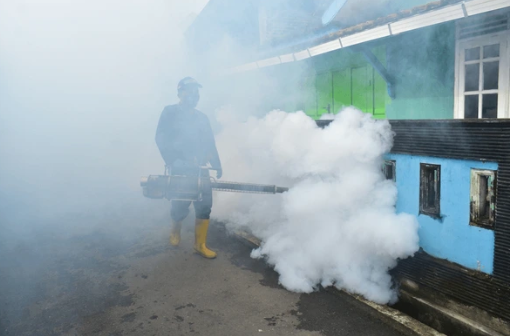
Indoor Insecticide Spraying: Indoor residual spraying (IRS) with insecticides can kill mosquitoes that enter homes, providing a protective effect for several months.
5.2. Antimalarial Medications for Travelers
For individuals traveling to regions with a high risk of malaria transmission, taking preventive antimalarial medication is a crucial strategy. This is known as malaria prophylaxis.
Purpose: The purpose of malaria prophylaxis is to kill the parasites in the bloodstream before they can cause disease. It does not prevent a mosquito bite but rather prevents the parasite from causing illness.
Common Medications: The choice of preventive medication depends on the specific region of travel and drug resistance patterns. Options include doxycycline, atovaquone-proguanil (Malarone), and mefloquine (Lariam).
Timing: These medications must be started before travel, continued throughout the stay, and for a period after returning home.
5.3. Ongoing Global Efforts
Global initiatives focus on a multi-pronged approach to preventing malaria:
Vector Control: Strategies aimed at reducing the mosquito population, such as distributing ITNs and indoor spraying.
Vaccines: The RTS,S/AS01 (RTS,S) malaria vaccine, recommended by the WHO for use in children living in regions with moderate to high transmission, is a groundbreaking tool in the fight against malaria.
Access to Treatment: Ensuring rapid access to diagnostic tests and effective antimalarial drugs is a key part of the global strategy.
Conclusion
Malaria is a serious, yet preventable and treatable, parasitic infection that continues to pose a major global health threat. Understanding what is malaria, recognizing the subtle malaria symptoms (including high fever and chills), and comprehending its parasitic nature are crucial steps towards early detection and effective management. While a single malaria bite can lead to this life-threatening disease, the good news is that with prompt diagnosis and a comprehensive malaria treatment plan, the infection is highly curable.
Don’t ignore the warning signs, especially if you have traveled to an endemic area. Proactive prevention through mosquito bite avoidance and, when necessary, antimalarial medications are your best defense.
Disclaimer: This article is for informational purposes only and does not constitute medical advice. Always consult with a qualified healthcare professional for diagnosis and treatment of any medical condition.
References
American Society of Tropical Medicine and Hygiene (ASTMH). (n.d.). Malaria. Retrieved fromhttps://www.astmh.org/news-events/in-the-news-old/malaria-epidemics