

Your scalp is meant to produce some oil – it’s what keeps your hair and skin moisturised. But when the sebaceous glands on your scalp produce more oil (sebum) than usual, hair can look greasy, flat, or “dirty” not long after you’ve washed it. An oily scalp – sometimes described as a fatty scalp or excess oil on the scalp – is common and usually manageable once you understand what’s driving it.
This guide covers what causes an oily scalp, the symptoms to look out for, whether it’s linked to hair loss, and the remedies that actually help.
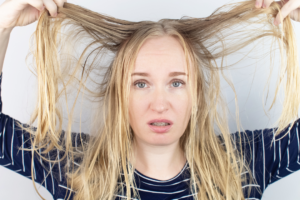
An oily scalp happens when the sebaceous glands at the base of your hair follicles produce more sebum than your scalp needs. Sebum itself isn’t a bad thing – it forms a protective layer that keeps your scalp and hair from drying out. The issue is a matter of degree: too little, and your scalp and hair turn dry and flaky; too much, and hair can look weighed down, shiny, or greasy within a day or two of washing.
Some people naturally have oilier skin and scalp than others, similar to how skin type varies across the face and body. An oily scalp on its own isn’t harmful, but it can be uncomfortable and affect how your hair looks and feels day to day.
Several factors can push sebum production above what’s typical for you:
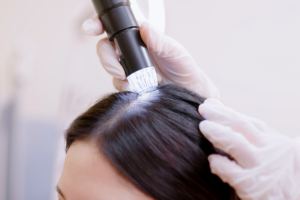
An oily scalp tends to show up in a few recognisable ways:
The relationship isn’t as clear-cut as it’s sometimes made out to be. Excess sebum can mix with dead skin cells and product residue to clog hair follicles, and some research suggests this build-up may contribute to follicle inflammation, which in theory could affect the hair growth cycle. However, an oily scalp on its own is not considered a primary or well-established cause of pattern hair loss, and most people with oily scalps don’t experience significant hair loss as a result. That said, if you’re noticing increased shedding or thinning alongside an oily, itchy, or flaky scalp, it’s worth having a doctor take a look, since the underlying cause — whether it’s a scalp condition, hormonal, or something else — will determine the right treatment.
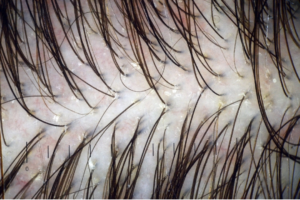
There’s no single fix that works for everyone, but these remedies address the most common contributing factors:
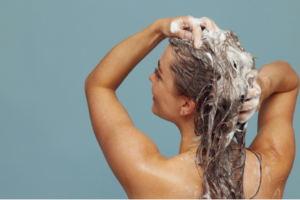
Look out for these ingredients, which are commonly used in shampoos formulated for oily or flake-prone scalps:
| Ingredient | What it helps with |
| Salicylic acid | Helps exfoliate the scalp and break down oil and buildup |
| Zinc pyrithione | Antifungal and antibacterial; commonly used for dandruff and mild seborrheic dermatitis |
| Selenium sulfide | Reduces oiliness and controls the yeast associated with dandruff |
| Ketoconazole | An antifungal used in medicated shampoos for seborrheic dermatitis and stubborn dandruff |
| Tea tree oil | Mild antibacterial and antifungal properties |
Medicated shampoos containing zinc pyrithione, selenium sulfide, or ketoconazole are widely available over the counter, but if your scalp doesn’t improve after a few weeks of consistent use, it’s a sign to get it checked rather than continuing to switch products.
Most cases of oily scalp can be managed with the adjustments above, but consider seeing a doctor or dermatologist if:
A doctor can help identify whether an underlying skin condition, hormonal factor, or something else is driving the oiliness, and recommend a treatment suited to the actual cause rather than just the symptoms.
An oily or “fatty” scalp is usually caused by the sebaceous glands producing more sebum than needed. Common triggers include genetics, hormonal changes, overwashing or under-washing, heavy hair products, heat styling, humidity, and underlying conditions like seborrheic dermatitis.
There’s no universal rule, but many people with oily scalps find that washing daily or every other day with a gentle shampoo works better than stretching washes out, which allows oil and buildup to accumulate. Adjust based on how your scalp responds.
An oily scalp isn’t a well-established primary cause of hair loss, though excess oil and buildup may contribute to follicle irritation in some cases. If you notice hair thinning alongside an oily, itchy, or flaky scalp, it’s worth having it assessed by a doctor.
Typical symptoms include hair that looks greasy or flat soon after washing, visible shine at the roots, flaking or dandruff, an itchy scalp, and sometimes a noticeable scalp odour.
Not exactly, though they’re related. Dandruff is flaking that can happen with or without excess oil, while an oily scalp refers specifically to overproduction of sebum. The two often occur together, particularly in mild seborrheic dermatitis.
Ingredients like salicylic acid, zinc pyrithione, selenium sulfide, and ketoconazole are commonly used in shampoos for oily, flake-prone scalps. Diluted tea tree oil is a gentler natural option some people also find helpful.
An oily scalp is usually caused by a combination of genetics, hormones, hair care habits, and environment – and in most cases, it’s manageable with the right wash routine, product choices, and lifestyle adjustments. If your scalp stays oily, itchy, or flaky despite consistent home care, or if you notice hair thinning alongside it, it’s worth getting checked rather than guessing. You can consult a doctor through the MaNaDr App to get a proper diagnosis and a treatment plan suited to your scalp.