


Palliative care, often associated with the end of life, focuses on enhancing the quality of life for individuals facing life-limiting illnesses and their families. In Singapore, as in many parts of the world, the demand for palliative care at home is rising. This shift from traditional hospital-based care to home-based care signifies a more compassionate and personalized approach to healthcare. This article delves into the importance of palliative care at home, shedding light on the benefits it offers to patients and their families.
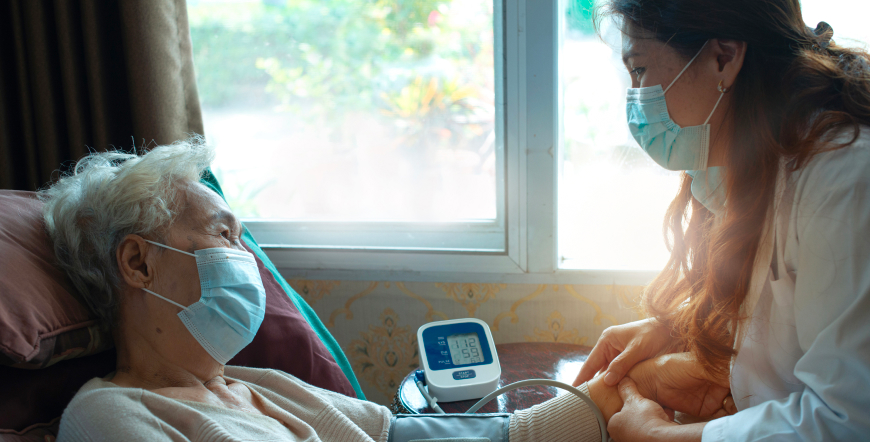
Palliative care at home ensures that patients spend their final days in familiar and comfortable surroundings, surrounded by loved ones. The sense of security and emotional support derived from being at home contributes significantly to the overall well-being of the patient. Additionally, patients can maintain their dignity by preserving their privacy and independence, which might be compromised in a hospital setting.
Home-based palliative care is tailored to meet the specific needs and preferences of individual patients. A team of healthcare professionals, including doctors, nurses, therapists, and counselors, collaborates to create personalized care plans. These plans encompass pain management, emotional support, and therapies, ensuring that the patient’s physical, emotional, and spiritual needs are met comprehensively.
Terminal illnesses not only affect patients but also place immense emotional and physical stress on family members. Palliative care at home alleviates some of this burden by providing professional medical assistance. Family members can focus on spending quality time with their loved ones, cherishing precious moments, and coping with the emotional challenges that come with caregiving.
Palliative care specialists are adept at managing complex symptoms associated with advanced illnesses, such as pain, nausea, and breathlessness. They employ a holistic approach, combining medication, therapies, and emotional support to alleviate symptoms effectively. This specialized care enhances the patient’s overall comfort and allows them to experience a better quality of life during their final days.

Coping with a terminal illness is emotionally draining for both the patient and their family. Home-based palliative care provides access to psychologists, counselors, and support groups. These professionals offer emotional support and coping strategies, addressing the psychological aspects of terminal illnesses. Such support not only benefits the patient but also helps family members navigate the complex emotions associated with the impending loss of a loved one.
Home-based palliative care can be more cost-effective than prolonged hospital stays. By reducing the strain on healthcare facilities and resources, it enables the healthcare system to allocate resources more efficiently, benefiting a larger number of patients. Moreover, patients and their families can avoid additional expenses related to hospitalization, such as accommodation and travel costs.
Palliative care at home in Singapore represents a significant advancement in the healthcare system, emphasizing the importance of compassion and personalized care in the face of terminal illnesses. By focusing on enhancing comfort, preserving dignity, and providing comprehensive support to patients and their families, home-based palliative care contributes to a more humane approach to end-of-life care. As the demand for such services continues to grow, it is crucial for the healthcare system and society as a whole to recognize the value of palliative care at home, ensuring that everyone facing a life-limiting illness can experience their final days with dignity, comfort, and the support they need.