


A severe peanut allergy reaction is a medical emergency. If someone develops difficulty breathing, swelling of the face, lips, or throat, dizziness, or a sudden drop in alertness after eating peanuts, use an epinephrine auto-injector if one is available and call 995 immediately, even if symptoms seem to improve afterward.
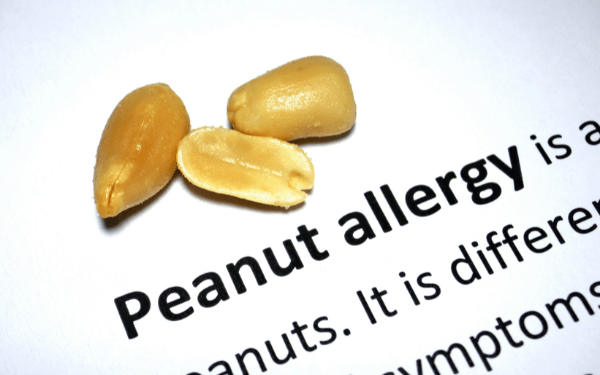
A peanut allergy happens when your immune system mistakes a protein in peanuts for something harmful and mounts an allergic reaction against it. This can cause a range of symptoms, from mild skin reactions to severe, life-threatening anaphylaxis, and peanut allergy is one of the most common food-related causes of anaphylaxis.
Even a small or trace amount of peanut can trigger a reaction in someone with a peanut allergy, and past mild reactions don’t guarantee that future reactions will also be mild.
Peanuts and tree nuts (such as almonds, cashews, walnuts, and pistachios) are often grouped together, but they’re biologically different: peanuts are legumes that grow underground, while tree nuts grow on trees. That said, people with a peanut allergy have a higher chance of also being allergic to tree nuts, partly due to some shared allergenic proteins and partly because the two are often processed in the same facilities, increasing the risk of cross-contact.
Symptoms of a peanut allergy typically appear within minutes to about two hours of eating peanuts, and can affect the skin, digestive system, respiratory system, or cardiovascular system.

A reaction confined to itching or mild swelling of the lips and mouth, without any breathing difficulty or symptoms elsewhere, is generally considered a milder reaction, though it should still be assessed by a doctor, since future reactions can be more severe.
Anaphylaxis is a medical emergency requiring immediate epinephrine treatment and emergency medical care, even if symptoms seem to start improving on their own.
Food allergies, including peanut allergy, happen when the immune system incorrectly identifies a specific food protein as a threat. This triggers the release of chemicals, including histamine, that cause the allergic symptoms described above. This process is known as an IgE-mediated reaction, referring to the specific type of antibody (immunoglobulin E) involved. It’s different from a food intolerance, which doesn’t involve the immune system and generally causes milder digestive discomfort rather than a true allergic reaction.

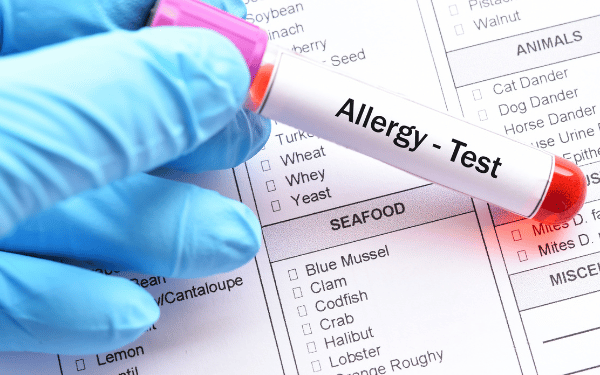
If a food allergy is suspected, a doctor will typically start with a detailed discussion of your symptoms, timing, and what you ate, followed by one or more of the following:
A positive skin or blood test alone doesn’t always mean you’ll react to a food in real life, which is why these results are generally interpreted together with your symptom history rather than on their own.
The primary approach to managing a peanut allergy is strict avoidance of peanuts and peanut-containing products. This means carefully reading ingredient labels, since peanuts can appear in unexpected foods such as baked goods, sauces, and some international cuisines, and being cautious about foods processed in facilities that also handle peanuts.
For anyone with a diagnosed peanut allergy, especially one with a risk of severe reactions, a doctor may prescribe an epinephrine auto-injector to carry at all times. Epinephrine is the first-line emergency treatment for anaphylaxis, and it’s generally better to use it promptly if a severe reaction is suspected rather than waiting to see if symptoms worsen, since early treatment is linked to better outcomes.
For some people, particularly children with a confirmed peanut allergy, doctors may discuss additional options aimed at reducing the risk or severity of future reactions, rather than curing the allergy outright:
These treatments aren’t right for everyone and involve some risk of triggering a reaction during treatment itself, so they’re only started and monitored by an allergist or immunologist, not something to attempt independently.

Seek emergency care immediately, and use an epinephrine auto-injector if one has been prescribed, if you notice:
If symptoms are mild, such as localised itching around the mouth with no breathing difficulty, it’s still worth having this evaluated by a doctor, since it can indicate an allergy that could cause a more severe reaction in the future.
A peanut allergy is an immune system reaction to a protein in peanuts, which can cause symptoms ranging from mild skin reactions to severe, potentially life-threatening anaphylaxis.
Symptoms can include hives, itching or swelling around the lips and mouth, nausea, and, in severe cases, throat swelling, difficulty breathing, and a drop in blood pressure (anaphylaxis).
Itching, tingling, or swelling of the lips after eating a food like peanuts is a common early sign of a food allergy. Even if it’s mild, it’s worth having it evaluated, since future reactions to the same food can be more severe.
Doctors typically use a combination of a symptom history, skin prick testing, and blood tests measuring specific IgE antibodies. An oral food challenge, done under medical supervision, is considered one of the most definitive tests.
There’s currently no outright cure. Strict avoidance remains the main approach, though treatments like oral immunotherapy may help reduce the severity of reactions in some people, under a specialist’s guidance.
Use an epinephrine auto-injector immediately if one is available, and call 995 or go to the nearest emergency department right away, even if symptoms start to improve.
Peanut allergy ranges from mild reactions to a potentially life-threatening emergency, which is why proper testing, a clear avoidance plan, and knowing how and when to use epinephrine matter so much. If you suspect a peanut allergy in yourself or your child, getting it properly diagnosed is an important first step toward managing it safely.
If you’d like to discuss possible allergy symptoms or get guidance on testing, you can consult a doctor online through MaNaDr App. For any signs of a severe allergic reaction, call 995 immediately.