Polyp: What It Is, How It Forms & When It's a Concern + Don't Ignore It: This Common Growth Could Signal a Serious Health Issue! - - Manadr
Polyp: What It Is, How It Forms & When It’s a Concern + Don’t Ignore It: This Common Growth Could Signal a Serious Health Issue!
MaNaDr2021-12-19
A polyp is a common, often benign, growth of tissue that can develop on the lining of a mucous membrane. While many are harmless, some can become cancerous over time, making them a significant health concern. Recognizing when a seemingly harmless growth could signal a more serious issue is paramount, as the title suggests: “Don’t Ignore It: This Common Growth Could Signal a Serious Health Issue!”
1. What Exactly Is a Polyp?
To understand the implications of a polyp diagnosis, it’s essential to grasp its fundamental definition and the variety of forms it can take. For many, the terms “polyp” and “cancer” are often confused.
1.1. Defining Polyps
A polyp is an abnormal, non-cancerous (benign) growth of tissue that projects from the lining of a mucous membrane. These growths are typically small, mushroom-shaped, or flat and can occur in various parts of the body. The polyp meaning is simply an overgrowth of tissue from a surface lining. The terms “polyp,” “polypus,” and the plural “polyps” all refer to the same thing.
Essentially, “what is a polyp” describes a general type of growth, which may be harmless but requires evaluation. The medical term for a polyp is a small benign tumor, but it’s crucial to understand that not all polyps are cancerous, and a polyp is distinct from a malignant tumor.
1.2. How Common are Polyps? (Prevalence & Impact)
Polyps are remarkably common, especially in the colon. The prevalence of colon polyps increases significantly with age.
Prevalence: It’s estimated that 30% to 50% of adults over the age of 50 in Western countries have at least one colon polyp (American Gastroenterological Association – AGA). This makes colon polyps a very common finding during routine colonoscopy screenings.
Impact: While most polyps are benign and harmless, their potential to become cancerous is what makes them a health concern. The primary focus of screening is to find and remove these growths before they can turn into cancer.
1.3. Polyps by Location
Polyps can occur in various parts of the body. Their classification by location often dictates their symptoms, risk level, and diagnostic approach.
Colon Polyps: These are growths that form on the inner lining of the large intestine. They are the most common and medically significant type due to their strong link to colorectal cancer.
Nasal Polyps: These are soft, painless, teardrop-shaped growths that form in the lining of the nasal passages or sinuses. They can cause congestion, reduced sense of smell, and other respiratory symptoms.
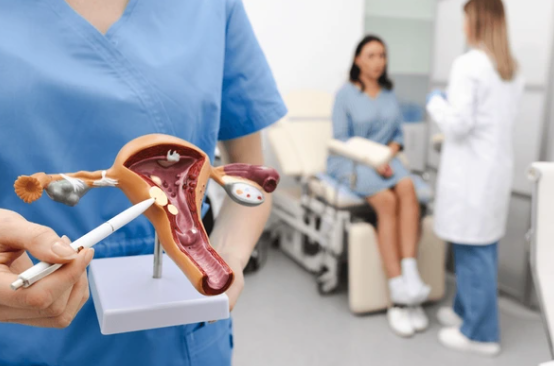
Uterine Polyps: Also known as endometrial polyps, these are growths that attach to the inner wall of the uterus. They can cause irregular menstrual bleeding, spotting, or infertility.
Other Types: Polyps can also be found in the stomach (what are stomach polyps), gallbladder, bladder, or on the vocal cords.
Expert Answer: Generally, no, polyps do not go away on their own. Once they form, they typically remain and may even continue to grow. In fact, most polyps, especially colon polyps, need to be professionally removed to prevent them from becoming cancerous or causing other health issues. (National Institute of Diabetes and Digestive and Kidney Diseases – NIDDK/NIH).
2. What Causes Polyps and How Do They Form?
2.1. Cellular Growth and Inflammation
Polyps are the result of abnormal cell growth in a mucous membrane. Cells divide to replace old or damaged cells, but sometimes this process goes awry, leading to an overgrowth of tissue that forms a polyp. Chronic inflammation is a key trigger for many types of polyps. For example, nasal polyps are often linked to chronic sinusitis or allergies, and uterine polyps are linked to hormonal fluctuations that cause chronic inflammation of the uterine lining.
2.2. Causes by Type of Polyp
The specific causes of polyps can vary based on their location:
Colon Polyps:
Age: The risk increases significantly after age 50.
Genetics: A family history of colon polyps or colon cancer is a strong risk factor. Inherited genetic syndromes also play a role.
Lifestyle: A high-fat, low-fiber diet; obesity; physical inactivity; smoking; and heavy alcohol use are all considered causes of colon polyps in a lifestyle context.
Nasal Polyps: These growths are often associated with chronic inflammation of the nose and sinuses. They are frequently linked to:
Asthma.
Aspirin sensitivity.
Allergic rhinitis.
Recurrent sinus infections.
Uterine Polyps: The primary cause of uterine polyps is believed to be hormonal fluctuations, particularly high levels of estrogen. Risk factors include being perimenopausal or postmenopausal, having high blood pressure, and obesity.
2.3. What a Polyp Looks Like
The appearance of a polyp can vary based on its location and type, but there are some general characteristics.
Colonic Polyps: A colon polyp can be either mushroom-shaped with a stalk (pedunculated) or flat and broad (sessile). They are typically pinkish-red and can range in size from a few millimeters to several centimeters.
Nasal Polyps: These look like soft, teardrop-shaped growths inside the nose. They are pale, non-painful, and often appear in clusters.
Uterine Polyps: A uterine polyp is typically a small, soft growth that protrudes from the lining of the uterus into the uterine cavity. They can be single or multiple and are often reddish-brown in color.
Expert Answer: A sessile polyp is a type of polyp that grows directly from the lining of an organ, like the colon, without a stalk. Because it is flat and broad, it can be harder to detect during a screening procedure. Some studies suggest that certain types of sessile polyps can have a higher risk of being precancerous compared to mushroom-shaped polyps. (American Gastroenterological Association – AGA).
Q: What is a polyp in the colon?
Expert Answer: A polyp in the colon is a growth of tissue on the inner lining of the large intestine. Most are harmless, but some, particularly adenomas, are precancerous. Removing them is crucial because it can prevent colon cancer from developing. (American Cancer Society).
3. What Are the Symptoms of Polyps and When Should You Be Concerned?
A significant challenge with polyps is that they are often asymptomatic. This means many individuals have polyps without experiencing any polyp symptoms, especially when they are small. This highlights why regular health screenings are so important.
3.1. Often Asymptomatic
Most polyps, particularly benign polyps in the colon, cause no symptoms at all. This is why a person may never know they have a polyp until it is discovered during a routine colonoscopy.
3.2. Common Symptoms of Polyps
When polyp symptoms do appear, they are usually related to the polyp’s location and size.
For Colon Polyps:
Bleeding: Rectal bleeding, blood in stool (for colon).
Changes in Bowel Habits: Persistent constipation, diarrhea, or a change in the color of the stool.
Abdominal Pain: Pain or cramping, though this is less common.
Anemia: Chronic, slow bleeding from a polyp can lead to iron-deficiency anemia, causing fatigue and weakness.
For Nasal Polyps:
Nasal Blockage: Feeling that your nose is constantly stuffy.
Reduced Sense of Smell and Taste.
Post-Nasal Drip: Mucus running down the back of your throat.
Headaches or Facial Pain.
For Uterine Polyps:
Irregular Menstrual Bleeding: Unpredictable or unusually heavy periods.
Spotting: Bleeding between periods or after menopause.
Infertility.
3.3. When to Be Concerned (The Link to Cancer)
The primary reason to be concerned about a polyp is its potential to become cancerous.
Not All Polyps are Equal: The two main types of colon polyps are adenomatous and hyperplastic. Adenomatous polyps are considered precancerous and have the potential to turn into cancer. Hyperplastic polyps are generally considered benign and have a very low risk of becoming cancerous.
Size and Number: Larger polyps are more likely to contain cancer cells than smaller ones. The risk also increases with the number of polyps found.
Biopsy is Key: The only way to definitively know if a polyp is precancerous or cancerous is by removing it and having a biopsy performed.
Q: Does having cancerous polyps mean you have cancer?
Expert Answer: No, having a cancerous polyp does not automatically mean you have invasive cancer. The term “cancerous polyp” typically refers to a polyp that has cancer cells confined within it but has not yet invaded the underlying tissue. Once these cells break through the polyp and invade the bowel wall, it is considered colon cancer. This distinction is crucial, as removing a cancerous polyp can effectively prevent cancer from developing. (American Cancer Society).
If you are experiencing any of these symptoms, especially persistent bleeding or changes in bowel habits, and are seeking clarity, MaNaDr offers a convenient way to consult with online doctors 24/7.
4. How Are Polyps Diagnosed and Treated?
Because many polyps are asymptomatic, they are often discovered during routine diagnostic procedures. Understanding these methods is key to how to get rid of polyps and prevent serious health issues.
4.1. The Diagnostic Process
The diagnostic approach for polyps depends on their location:
Colon Polyps: A colonoscopy is the definitive diagnostic procedure for colon polyps. A flexible camera is used to visualize the entire colon. If a polyp is found, it can be immediately removed during the same procedure in a process called a polypectomy.
Nasal Polyps: A diagnosis is typically made with a physical examination of the nasal passages and often a nasal endoscopy (a thin scope with a camera) to visualize the growths.
Uterine Polyps: These are often diagnosed with an ultrasound or a hysteroscopy, where a scope with a camera is inserted into the uterus to visualize the endometrial lining.
4.2. Polyp Treatments and Removal
The treatment for polyps is typically removal.
Polypectomy: For colon and stomach polyps, the standard treatment is a polypectomy, which involves surgically removing the polyp during a colonoscopy or endoscopy. This is usually a simple, painless procedure.
Medication: For nasal polyps, medications such as nasal steroid sprays are often the first line of treatment to shrink the polyps and reduce inflammation. In some cases, oral steroids may be used.
Surgical Removal: For larger nasal polyps, or those that don’t respond to medication, surgery may be needed. Similarly, uterine polyps are often removed via hysteroscopy.
Expert Answer: Not all polyps are cancerous, but some have the potential to become so. The two main types of colon polyps are hyperplastic (generally not a concern) and adenomatous (precancerous). A polyp biopsy is the only way to know for sure. The risk of malignancy is higher for larger polyps and those with certain characteristics, emphasizing why their removal is so important. (American Cancer Society).
Q: How to get rid of nasal polyps?
Expert Answer: The primary treatment for nasal polyps involves medications like nasal steroid sprays to shrink the polyps and reduce inflammation. For larger polyps or those that don’t respond to medication, surgery may be necessary to remove them. Addressing underlying conditions like allergies or chronic sinusitis is also a key part of long-term management. (American Academy of Otolaryngology – Head and Neck Surgery).
If you have questions about a polyp biopsy, need to discuss treatment options for a diagnosed polyp, or require a referral, MaNaDr offers a convenient platform for initial consultations and professional guidance.
5. How Can Polyps Be Prevented?
While some polyp risk factors (like age and genetics) are non-modifiable, several lifestyle changes can significantly reduce your risk of developing new polyps, particularly in the colon.
5.1. Prevention of Recurrence (For Colon Polyps)
For individuals who have had a polyp removed, these strategies can help prevent new ones from forming:
High-Fiber Diet: A diet rich in fiber from fruits, vegetables, and whole grains is a primary prevention strategy. Fiber helps promote regular bowel movements and can reduce the risk of polyps forming.
Maintain a Healthy Weight: Obesity is a risk factor for colon polyps. Maintaining a healthy weight through diet and exercise can significantly reduce your risk.
Regular Exercise: Physical activity is associated with a lower risk of colon polyps.
Limit Red and Processed Meats: A diet high in red and processed meats (like beef, bacon, and sausages) has been linked to an increased risk of colon polyps.
Moderate Alcohol Consumption: Heavy alcohol use is a risk factor.
5.2. Prevention of Nasal Polyps
The prevention of nasal polyps focuses on managing the underlying inflammation that triggers their growth:
Manage Allergies and Sinusitis: Effectively treating allergies, asthma, and chronic sinus infections can reduce the inflammation in your nasal passages.
Use Nasal Saline Sprays: Rinsing your nasal passages with a saline spray or rinse can help improve mucus flow and reduce inflammation.
Expert Answer: While no single food causescolon polyps, a diet high in red and processed meats (such as beef, bacon, and hot dogs) and low in fiber is a significant risk factor. A diet rich in fruits, vegetables, and whole grains, which provide fiber and antioxidants, is protective. (American Cancer Society – ACS).
Q: How quickly can uterine polyps grow back?
Expert Answer:Uterine polyps can sometimes recur. The recurrence rate is influenced by factors like the number of polyps and hormonal status. For some individuals, they can regrow within a year or two, while for others, they may not return at all. Regular monitoring with a gynecologist is recommended for those with a history of uterine polyps. (American College of Obstetricians and Gynecologists – ACOG).
Conclusion
A polyp is a common growth that, while usually benign, carries the potential to become cancerous, particularly in the colon. Understanding what is a polyp, recognizing its diverse forms and often-silent polyp symptoms, and being aware of its causes are crucial steps towards early detection and effective management.
Timely diagnosis through appropriate screening methods and the removal of precancerous polyps can prevent cancer from developing, making this a powerful tool in preventative medicine. Don’t ignore persistent symptoms or dismiss a polyp as a harmless growth. Proactive screening and medical evaluation are paramount.
Disclaimer: This article is for informational purposes only and does not constitute medical advice. Always consult with a qualified healthcare professional for diagnosis and treatment of any medical condition.
American College of Obstetricians and Gynecologists (ACOG). (n.d.). Uterine Polyps. Retrieved fromhttps://www.acog.org/womens-health/faqs/uterine-fibroids