


Acne can develop or change during pregnancy as hormone levels and oil production in the skin change. Some people notice more breakouts, while others see little change or even improvement. Because several commonly used acne medicines are not suitable during pregnancy, it is important to check the ingredients in your current skincare and acne treatments before using them.
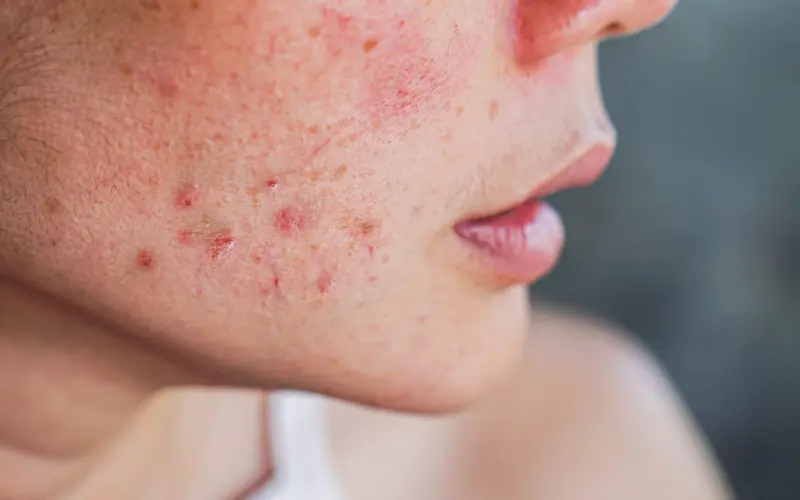
Hormonal changes during pregnancy can increase activity in the skin’s oil glands and contribute to acne. Excess sebum, together with dead skin cells and inflammation, can block pores and lead to blackheads, whiteheads and inflamed spots. Pregnancy acne can occur at any stage, and its severity varies from person to person.
If you already had acne before becoming pregnant, it can get better, worse, or stay about the same, there’s no single pattern that applies to everyone. Some people who never had acne issues develop it for the first time during pregnancy, while others with a history of acne find it improves.
Acne is not a reliable sign of pregnancy. Breakouts can occur for many reasons, including menstrual-cycle hormonal changes, stress, medications and skincare or cosmetic products. If pregnancy is possible, use an appropriate pregnancy test and seek medical advice if the result or timing is unclear rather than relying on skin changes.
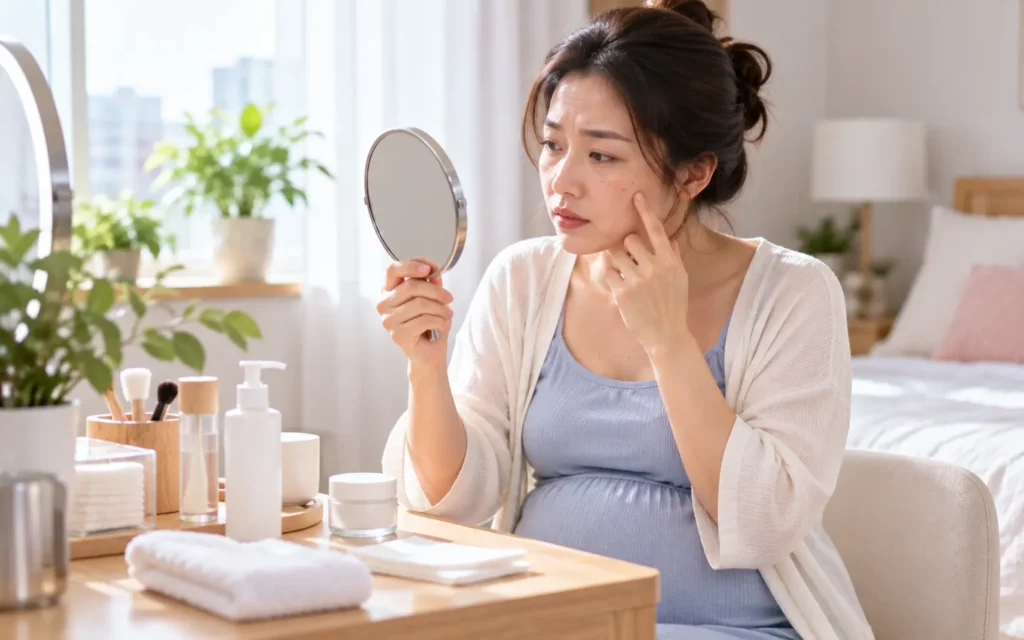
Acne is one of several skin changes that can occur during pregnancy. Other common pregnancy-related skin changes include:
Most of these changes are harmless and related to the hormonal and physical shifts of pregnancy, and many fade or improve after delivery, though not always completely.
This is a long-standing piece of pregnancy folklore, but there’s no scientific evidence to support it. The idea that “acne means a girl” (often paired with “glowing skin means a boy”) likely persists because pregnancy acne is genuinely common and people naturally look for patterns, but a baby’s sex is determined by chromosomes at conception, not by how your skin reacts to pregnancy hormones. Acne during pregnancy happens to people carrying boys, girls, and in multiple pregnancies, for the same underlying hormonal reasons. Acne cannot be used to predict a baby’s sex.
Not every acne treatment is suitable during pregnancy. The safest option depends on the medicine, its strength, the area treated and your individual circumstances. Check with a doctor or pharmacist before starting a medicated acne product during pregnancy, especially if you use prescription acne treatment.
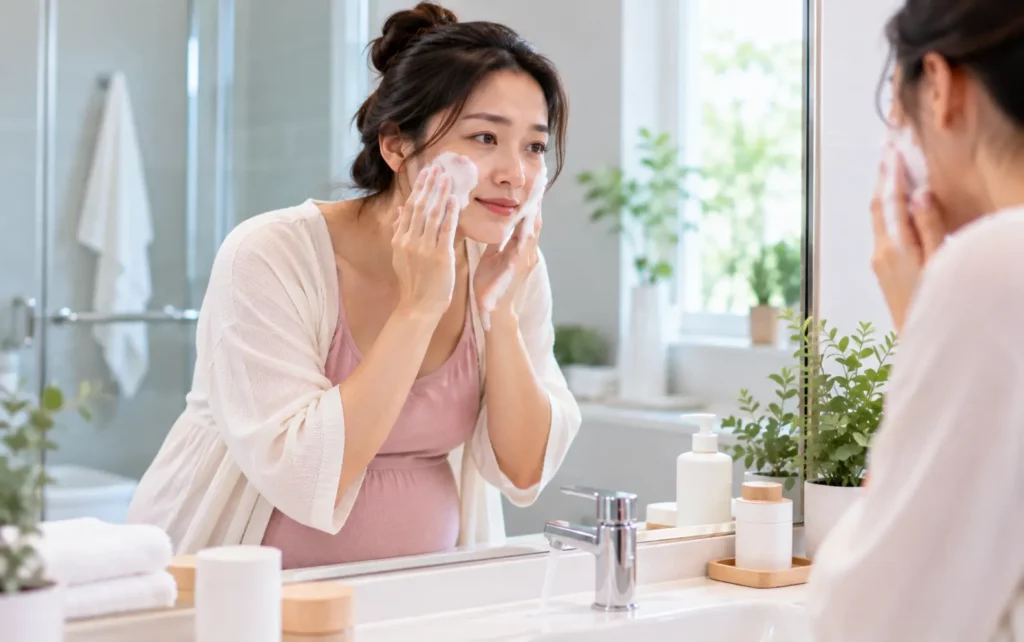
Depending on the severity of acne and your individual circumstances, a healthcare professional may consider options such as:
The following are generally avoided during pregnancy due to known or possible risks to a developing baby:
If you are taking oral isotretinoin and discover that you are pregnant, stop taking it and contact your doctor immediately. For other prescription acne medicines, contact your doctor or pharmacist promptly for advice on whether to stop, switch or continue treatment.
Alongside any treatment your doctor recommends, some general habits can help:
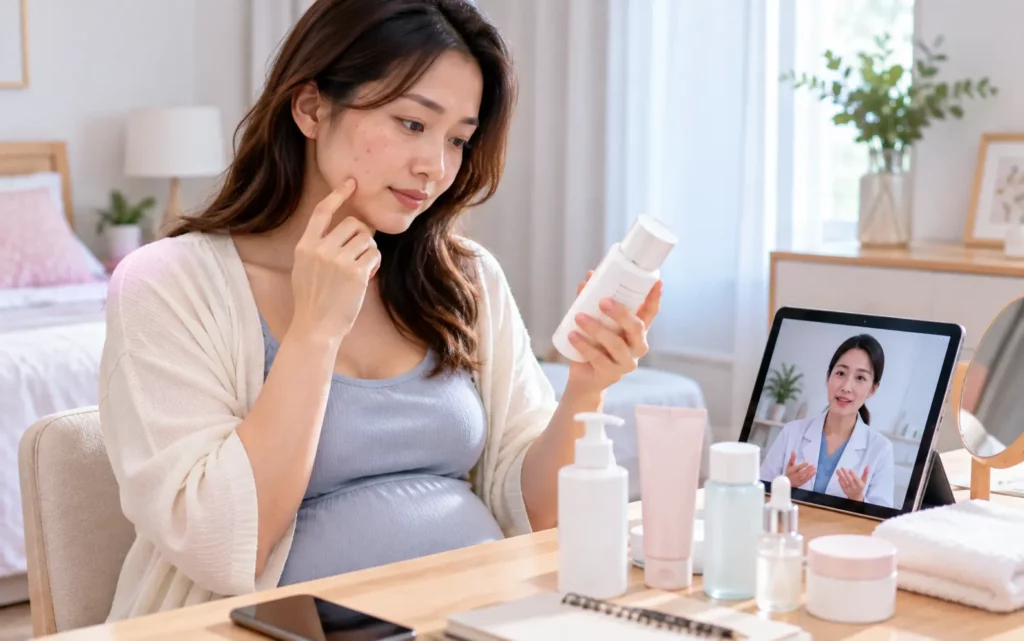
It’s worth checking in with a doctor or dermatologist if:
A doctor or dermatologist can assess the severity of your acne, check whether another skin condition may be contributing and recommend treatment that is appropriate during pregnancy.
Hormonal changes during pregnancy can increase oil-gland activity and contribute to clogged pores and inflammation. Pregnancy acne can occur at any stage, and the pattern varies between individuals.
Acne is not a reliable sign of pregnancy because breakouts can occur for many unrelated reasons. If pregnancy is possible, use an appropriate pregnancy test rather than relying on acne or other skin changes.
No. There’s no scientific evidence linking pregnancy acne to the baby’s sex. This is a popular pregnancy myth, and a baby’s sex is determined by genetics, not by skin changes.
Options that a healthcare professional may consider include azelaic acid, topical benzoyl peroxide, limited topical salicylic acid and certain topical antibiotics. The best choice depends on the product, acne severity and your individual circumstances, so check before starting medicated treatment.
Oral isotretinoin must not be used during pregnancy. Topical retinoids and spironolactone are also avoided, while tetracycline-class antibiotics are generally not used during pregnancy unless a doctor determines that a specific medicine is appropriate.
Pregnancy-related acne may improve after delivery as hormone levels change, but the timing is unpredictable and some people continue to have acne. If you are breastfeeding, check whether any acne medicine you plan to use is suitable during breastfeeding.
Pregnancy can change acne because of hormonal and skin-oil changes, but treatment needs extra care because some commonly used acne medicines are not suitable during pregnancy. Gentle skincare may be enough for mild breakouts, while persistent, painful or scarring acne may need medical treatment. Check medicated acne products with a doctor or pharmacist rather than assuming that a product is safe because it is topical or available without prescription.
If pregnancy acne is bothering you or you are unsure whether a skincare or acne medicine is appropriate, you can consult a doctor through MaNaDr for an initial assessment and medication review. Depending on the severity of your acne or the treatment being considered, an in-person examination or dermatologist review may be recommended.