Prostate Cancer Causes, Symptoms, and Treatment Options: The #1 Male Cancer You Can’t Ignore - - Manadr
Prostate Cancer Causes, Symptoms, and Treatment Options: The #1 Male Cancer You Can’t Ignore
MaNaDr2021-10-03
Prostate cancer is a serious health concern, standing as the #1 male cancer (excluding non-melanoma skin cancers) and a leading cause of cancer-related death among men globally. This type of cancer begins in the prostate gland, a small, walnut-sized gland in men that produces seminal fluid. While often slow-growing, some forms of prostate cancer can be aggressive and spread rapidly.
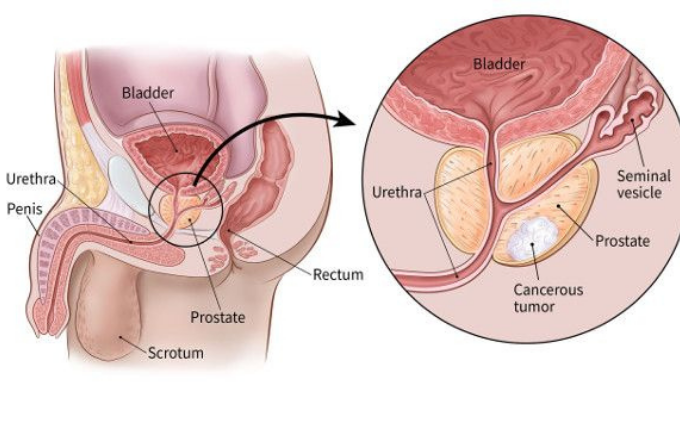
Prostate cancer begins when cells in the prostate gland start to grow out of control
1. What Is Prostate Cancer?
To grasp the significance of this diagnosis, it’s essential to understand the fundamental prostate cancer definition and its physiological context. This section will clarify what is prostate cancer and its place in male health.
1.1. Prostate Cancer Definition and Meaning
Prostate cancer is a type of cancer that develops in the prostate gland. This small, exocrine gland is part of the male reproductive system, located just below the bladder and in front of the rectum. Its primary function is to produce seminal fluid, which nourishes and transports sperm.
For those asking, “what is prostate cancer” or “cancer of the prostate,” it’s a condition where cells in the prostate gland begin to grow uncontrollably, forming a tumor. Most prostate & cancer cases are adenocarcinomas, meaning they develop from the gland cells. While many prostate cancer cases are slow-growing and may never cause significant harm, some forms are aggressive and can spread to other parts of the body, a process known as metastasis.
1.2. How Common is Prostate Cancer? (Statistics & Impact)
Prostate cancer is remarkably common, particularly in developed regions globally, solidifying its status as a major public health issue for men.
1.2.1. Why Prostate Cancer is “The #1 Male Cancer”
Prostate cancer holds the distinction of being “The #1 Male Cancer” primarily due to its exceptionally high incidence rate. It is the most frequently diagnosed cancer among men worldwide, excluding non-melanoma skin cancers. According to the Global Cancer Observatory (GCO, an initiative of WHO/IARC), prostate cancer was the most commonly diagnosed cancer in men across 118 out of 185 countries in 2022. This global prevalence, with approximately 1.47 million new cases diagnosed in 2022, highlights its widespread occurrence. While lung cancer might cause more deaths globally, prostate cancer leads in terms of how frequently it is identified in men, making it the top male cancer by diagnosis.
1.2.2. Global Burden and Impact
Despite its high incidence, the prostate cancer survival rate is generally very high, especially when detected early. The 5-year prostate cancer survival rates for localized or regional disease approach nearly 100%. However, it remains a significant cause of cancer death globally. Worldwide, it is the fifth leading cause of cancer death among men, accounting for approximately 397,430 deaths in 2022 (GCO). This highlights that while many cases are slow-growing, aggressive forms pose a serious threat. The prostate cancer mortality rate varies by stage, age, and geographical region, often influenced by access to early detection and treatment.
The disease’s impact is profound, affecting millions of men and their families. It can disrupt quality of life through its symptoms and treatment side effects. Often, prostate cancer can be asymptomatic in its early stages, making routine screening critical for early detection and improved outcomes.
1.3. Anatomy and Function of the Prostate
Understanding what is prostate cancer benefits from knowing where the prostate is and what it does. The prostate is a small, exocrine gland unique to males.
Location: The prostate gland is situated just below the bladder and surrounds the urethra (the tube that carries urine and semen out of the body). It’s approximately the size of a walnut in younger men, though it tends to enlarge with age. This explains where is prostate cancer located.
Function: Its primary role is to produce seminal fluid, a milky fluid that nourishes sperm and transports it during ejaculation.
2. What Are Prostate Cancer Symptoms and Signs?
2.1. Early Signs of Prostate Cancer (Often Silent)
For many men, there are no early signs of prostate cancer symptoms at all, especially in stage 1 prostate cancer. The prostate gland is located in a way that allows tumors to grow to a significant size without pressing on the urethra until the cancer is more advanced. This lack of initial symptoms is a primary reason why routine screening tests are recommended for at-risk individuals.
2.2. Common Prostate Cancer Symptoms (As Disease Progresses)
As prostate cancer grows or spreads, it can lead to various symptoms from prostate cancer. These are often related to urinary function, sexual health, or pain.
Urinary Problems: These are among the most common symptoms of prostate cancer in men when the tumor begins to press on the urethra or bladder. They can include:
Frequent urination, especially at night.
Weak or interrupted urine stream.
Urgency to urinate.
Difficulty emptying the bladder completely.
Pain or burning during urination.
Blood in Urine or Semen: The presence of blood in urine (hematuria) or semen (hematospermia) can be a prostate cancer sign that warrants immediate medical evaluation, though it can also be caused by non-cancerous conditions.
Erectile Dysfunction (ED): Difficulty achieving or maintaining an erection.
Pain or Discomfort: Persistent pain in the hips, lower back, or chest. This kind of prostate cancer pain often indicates that the cancer has spread to the bones, which is a sign of advanced disease.
Weakness or Numbness in Legs or Feet: If the cancer spreads to the spinal cord, it can press on nerves, leading to neurological symptoms.
Unexplained Weight Loss: Significant, unintentional weight loss can be a general cancer sign as the disease progresses.
2.3. The 5 Warning Signs (or Key Indicators) of Prostate Cancer
While what are the 5 warning signs of prostate cancer isn’t a universally fixed list, these key indicators often prompt further investigation:
Changes in urination patterns: Increased frequency, particularly at night, or a weakened/interrupted stream.
Blood in urine or semen: Any visible blood is a red flag.
New onset of erectile dysfunction: Without clear other causes.
Persistent pain in the lower back, hips, or thighs: Especially if unexplained by injury.
Unexplained weight loss or fatigue: General signs of systemic illness.
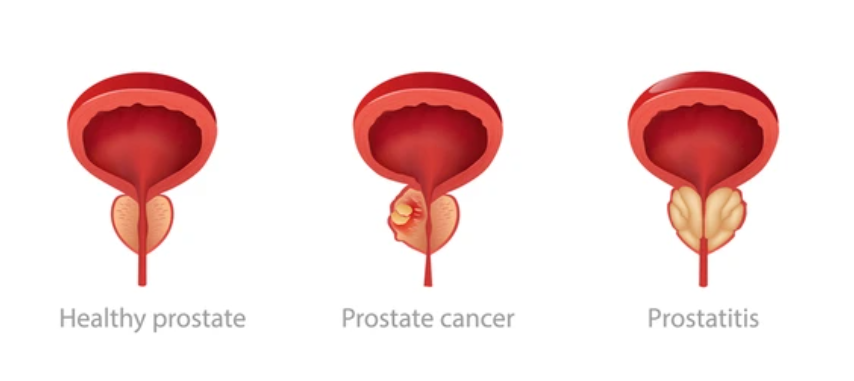
These early signs of prostate cancer symptoms can also be caused by benign prostate conditions (like BPH or prostatitis), but they should always be evaluated by a doctor.
2.4. Symptoms of Advanced/Metastatic Prostate Cancer
When prostate cancer spreads beyond the prostate, it is known as metastatic prostate cancer. The symptoms from prostate cancer at this stage become more severe and often indicate spread to distant sites. For those concerned about “signs you are dying of prostate cancer” (a term often used to describe end-stage symptoms), these may include:
Severe Bone Pain: Persistent and localized pain in the bones (e.g., back, hips, ribs, pelvis) if cancer has spread there. This is a common prostate cancer pain location for advanced disease.
Swelling in Legs or Feet: Caused by compression of lymph nodes or blood vessels by enlarged lymph nodes due to cancer spread.
Fatigue and Weakness: Extreme tiredness and general bodily weakness.
Significant Weight Loss: Continued, unexplained loss of body mass.
Spinal Cord Compression: If cancer spreads to the spine, it can cause severe back pain, numbness, weakness, or paralysis in the legs, and loss of bowel or bladder control.
2.5. Expert Insight: The Silent Threat of Early Stages
Expert Insight: A common myth that can lead to delayed diagnosis is that “I would definitely know if I had prostate cancer because I’d feel pain or have noticeable urinary problems.” However, urologists and cancer specialists emphasize the crucial fact that in its earliest, most treatable stages, prostate cancer very often causes no symptoms at all. The prostate gland’s location allows a tumor to grow significantly before it presses on the urethra or causes pain. Relying on symptoms to detect prostate cancer typically means the disease has already progressed beyond its initial, most curable phase, underscoring the critical importance of regular screening for early detection.
If you’re experiencing any concerning changes or simply seeking guidance on prostate cancer symptoms, connecting with a healthcare professional is a vital first step. MaNaDr offers a discreet way to consult with online doctors 24/7 to discuss your concerns and gain initial guidance from home.
3. What Causes Prostate Cancer?
3.1. Non-Modifiable Risk Factors
These are factors you cannot change, but they significantly influence your risk:
Age: This is the strongest risk factor for prostate cancer. The likelihood of developing the disease increases significantly with age, particularly after age 50. Most prostate cancer diagnoses occur in men over 65.
Race/Ethnicity: African American men have a higher risk of developing prostate cancer and are more likely to be diagnosed at an earlier age and with more aggressive forms of the disease. Asian American and Hispanic men tend to have a lower risk than white men.
Family History/Genetics: If you have a close male relative (father, brother, son) who had prostate cancer, especially if they were diagnosed at a younger age (under 65), your risk increases. Certain inherited gene mutations, such as BRCA1 and BRCA2 (also linked to breast and ovarian cancers), and Lynch syndrome, are associated with a higher prostate cancer risk. This addresses “is prostate cancer genetic.”
3.2. Modifiable and Debated Risk Factors
These factors relate to lifestyle or other conditions that may influence risk, though their exact role in causing prostate cancer can be complex or debated:
Diet: While not definitively proven as direct prostate cancer causes, some research suggests a link between a diet high in red meat, processed meats, and high-fat dairy products, and a lower intake of fruits, vegetables, and whole grains, with an increased risk of aggressive prostate cancer.
Obesity: Studies indicate that men with obesity may have an increased risk of developing more aggressive forms of prostate cancer and experiencing worse outcomes after diagnosis.
Smoking: Smoking is associated with an increased risk of developing advanced or aggressive prostate cancer and a higher chance of recurrence after treatment.
Inflammation: Chronic inflammation of the prostate (prostatitis), while not directly causing cancer, may play a role in its development for some men.
Chemical Exposure: Exposure to certain chemicals, such as those found in pesticides (e.g., Agent Orange), has been linked to an increased risk of prostate cancer in some studies.
4. How Can Prostate Cancer Be Prevented?
While there is no guaranteed way to prevent prostate cancer due to its complex and largely unknown causes, research suggests certain lifestyle choices can help reduce the risk or the likelihood of developing aggressive forms of the disease. For those asking “how to prevent prostate cancer” or “how to avoid prostate cancer,” focus on overall health and well-being.
4.1. Lifestyle Strategies to Reduce Risk
Adopting a healthy lifestyle may help lower your overall cancer risk, including that of prostate cancer:
Maintain a Healthy Diet: Emphasize a diet rich in fruits, vegetables, and whole grains. Limit the consumption of red meat, processed meats, and high-fat dairy products. Some studies suggest a diet low in saturated fat and high in omega-3 fatty acids might be beneficial.
Specific Nutrients: Research continues on the role of specific nutrients like lycopene (found in tomatoes), selenium, and Vitamin E. However, it’s crucial to obtain these from food rather than high-dose supplements, as some studies have shown potential harm from excessive supplementation for prostate cancer prevention.
Maintain a Healthy Weight: Achieving and maintaining a healthy body weight through balanced nutrition and regular physical activity can reduce the risk of aggressive prostate cancer.
Be Physically Active: Regular exercise has numerous health benefits, including a potential reduction in cancer risk. Aim for at least 30 minutes of moderate-intensity activity most days of the week.
Quit Smoking: Smoking is linked to an increased risk of aggressive prostate cancer. Quitting smoking is one of the most impactful steps you can take for overall cancer prevention.
Moderate Alcohol Consumption: Limit alcohol intake, as heavy drinking may be associated with increased risk.
5. How Is Prostate Cancer Diagnosed and Staged? And What Are the Treatment Options?
Early detection and accurate assessment are critical for effective prostate cancer treatment. This section will cover how is prostate cancer diagnosed and staged, and explore the various prostate cancer treatment options available.
5.1. Prostate Cancer Screening
Screening aims to detect prostate cancer early, often before symptoms appear, when it is most treatable.
Prostate-Specific Antigen (PSA) Blood Test: The PSA prostate cancer test measures the level of prostate-specific antigen in the blood. Elevated psa levels and prostate cancer can indicate the presence of cancer, but a high psa reading prostate cancer can also be due to benign conditions like BPH, prostatitis, or recent ejaculation. It’s a key tool in prostate cancer screening, but its interpretation requires careful consideration.
Digital Rectal Exam (DRE): During a DRE, a doctor inserts a gloved, lubricated finger into the rectum to feel the prostate for any lumps, hard areas, or abnormalities in size or shape.
Screening Guidelines and Shared Decision-Making: Organizations like the American Urological Association (AUA) and the National Comprehensive Cancer Network (NCCN) provide prostate cancer screening guidelines. Generally, screening discussions begin around age 50 for average-risk men, earlier (e.g., 40-45) for those with higher prostate cancer risk factors (e.g., African American men, men with a strong family history). The decision to screen is a personal one, emphasizing shared decision-making between patient and doctor to weigh the potential benefits against the risks of overdiagnosis and overtreatment. This is often part of the prostate cancer screening recommendations.
5.2. Diagnosis and Biopsy
If screening tests (PSA or DRE) suggest an abnormality, further tests are needed to confirm a prostate cancer diagnosis.
Biopsy: The definitive way to how to test for prostate cancer is through a prostate biopsy. During this procedure, a doctor uses a thin needle to collect small tissue samples from the prostate. These samples are then examined under a microscope by a pathologist. A biopsy is the gold standard for establishing a definitive diagnosis of prostate cancer.
Gleason Score: If cancer cells are found, the pathologist assigns a Gleason score prostate cancer. This score grades how aggressive the cancer looks under the microscope, ranging from 6 (least aggressive) to 10 (most aggressive). The gleason scale prostate cancer is crucial for determining the cancer’s prognosis and guiding prostate cancer treatment decisions.
5.3. Prostate Cancer Staging
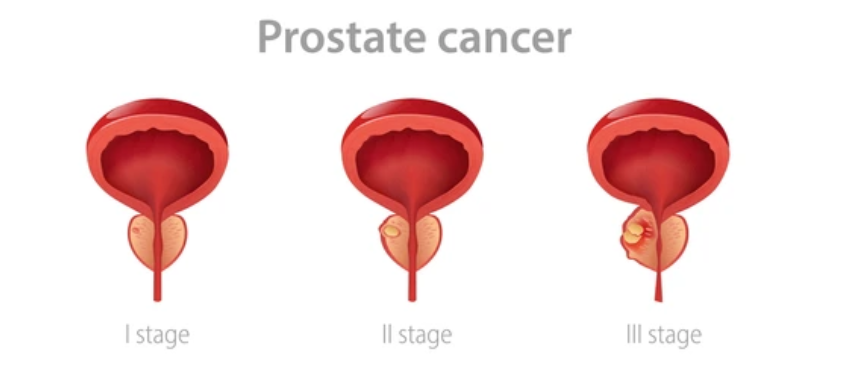
Once prostate cancer is diagnosed, prostate cancer staging determines the extent of the cancer—whether it’s confined to the prostate or has spread. This is crucial for guiding treatment for prostate cancer and predicting prostate cancer prognosis. The stages of prostate cancer typically range from 1 to 4.
Stage 1 Prostate Cancer: Cancer is small and confined to the prostate, often detected incidentally. Stage 1 prostate cancer symptoms are usually absent.
Stage 2 Prostate Cancer: Cancer is still confined to the prostate but may be larger or involve more of the gland.
Stage 3 Prostate Cancer: Cancer has grown outside the prostate and may involve nearby tissues or seminal vesicles.
Stage 4 Prostate Cancer:Stage 4 prostate cancer indicates that metastasis has occurred. This means the cancer has spread to distant parts of the body, such as bones, distant lymph nodes, or other organs. While the survival rate for stage 4 prostate cancer is lower, treatment can extend life and help manage symptoms.
This classification is often coded using ICD 10 code for prostate cancer (e.g., C61 for malignant neoplasm of prostate).
5.4. Prostate Cancer Treatment Options
The choice of prostate cancer treatment depends on several factors, including the cancer’s stage, Gleason score, PSA level, patient’s age, overall health, and personal preferences. The goal is to treat prostate cancer effectively while minimizing side effects.
Active Surveillance: For very low-risk or low-risk, slow-growing cancers, active surveillance prostate cancer is often recommended. This involves careful monitoring with regular PSA tests, DREs, and sometimes repeat biopsies, without immediate aggressive prostate cancer treatment. This allows men to avoid unnecessary treatment side effects.
Surgery (Radical Prostatectomy): This involves the surgical removal of the entire prostate gland and sometimes surrounding lymph nodes. It’s a common prostate cancer surgery option for localized cancer.
Radiation Therapy: Uses high-energy rays to kill cancer cells.
External Beam Radiation Therapy: Is delivered by a machine outside the body. Radiation treatment for prostate cancer typically involves daily sessions over several weeks.
Brachytherapy: Involves placing tiny radioactive seeds directly into the prostate gland, delivering radiation from inside.
Proton Therapy: Is a newer type of external beam radiation using proton beams, which may offer more precise targeting.
Side effects of radiation for prostate cancer can include urinary, bowel, and erectile dysfunction.
Hormone Therapy (Androgen Deprivation Therapy – ADT): Works by blocking male hormones (androgens), primarily testosterone, which fuel prostate cancer growth. It’s often used for advanced or recurrent cancer, or in combination with radiation.
Chemotherapy: Generally used for advanced prostate cancer that has spread outside the prostate and is no longer responding to hormone therapy
Targeted Therapy & Immunotherapy: Newer prostate cancer treatment options that target specific vulnerabilities in cancer cells or boost the body’s immune response against cancer.
Other Treatments: Include cryotherapy, HIFU, and clinical trials exploring new prostate cancer drugs.
5.5. Prognosis and Survival Rates
The prostate cancer prognosis is generally excellent, especially when diagnosed early.
The 5-year prostate cancer survival rate that is localized (cancer hasn’t spread outside the prostate) or regional (cancer has spread to nearby lymph nodes) is nearly 100% (American Cancer Society).
Even for stage 4 prostate cancer, the 5-year survival rate has improved significantly in recent years, though it remains lower. The prostate cancer survival rate by age also varies, with younger men often having a better prognosis.
Understanding “lifespan of prostate cancer” involves recognizing that many men live for many years with the disease, especially with modern treatments and management. Surviving prostate cancer is a reality for the vast majority.
If you have questions about prostate cancer screening, your PSA levels, or want to discuss prostate cancer treatment options after a diagnosis, MaNaDr offers a discreet and convenient platform. You can connect with qualified doctors instantly for expert consultations and personalized guidance on the best path forward, all without leaving your home.
6. Prognosis of Prostate Cancer
Understanding the prostate cancer prognosis is vital for men diagnosed with the disease, as it provides insight into the likely course and outcome. Prognosis refers to the probable outcome or course of a disease; for prostate cancer, it is generally favorable, especially when detected early.
6.1. Understanding Prostate Cancer Prognosis
The prostate cancer prognosis is influenced by several factors, including:
Stage of Cancer: The extent to which the cancer has spread
Gleason Score: Indicates how aggressive the cancer cells look under a microscope.
PSA Level: The level of prostate-specific antigen in the blood at diagnosis.
Patient’s Age and General Health: Older age or significant other health issues can influence prognosis and treatment choices.
Response to Treatment: How well the cancer responds to chosen therapies.
6.2. Prostate Cancer Survival Rates by Stage
Prostate cancer survival rate is generally excellent, particularly for localized disease. These rates typically refer to the percentage of men who are still alive five years after diagnosis.
Localized Prostate Cancer: For cancer confined to the prostate, the 5-year prostate cancer survival rate is nearly 100%. Many men with localized disease are effectively cured.
Regional Prostate Cancer: For cancer that has spread to nearby tissues or lymph nodes, the 5-year survival rate is also very high, approaching 100%.
Distant (Metastatic) Prostate Cancer: For stage 4 prostate cancer, where the cancer has spread to distant parts of the body, the 5-year prostate cancer survival rate is lower, but it has significantly improved with advancements in prostate cancer treatments.
6.2.1. Factors Influencing Survival Rates
While general survival rates provide a broad outlook, individual prostate cancer prognosis can be influenced by specific factors:
Gleason Score and PSA Levels: Higher Gleason scores and higher PSA levels at diagnosis typically indicate more aggressive cancer and may influence prognosis.
Patient’s Age at Diagnosis: The prostate cancer survival rate by age often shows that younger men diagnosed with prostate cancer tend to have better long-term survival prospects, partly because they are typically healthier and can tolerate more aggressive treatments.
Overall Health and Comorbidities: A man’s general health, including any other significant medical conditions, can impact his prostate cancer prognosis and the effectiveness of available treatments.
Treatment Response: How well the cancer responds to initial and subsequent treatments plays a crucial role in the long-term outlook.
Understanding “lifespan of prostate cancer” involves recognizing that many men live for many years with the disease, especially with modern treatments and management. Surviving prostate cancer is a reality for the vast majority.
Disclaimer: This article is for informational purposes only and does not constitute medical advice. Always consult with a qualified healthcare professional for diagnosis and treatment of any medical condition.
American Urological Association (AUA). (n.d.). Prostate Cancer Patient Information. Retrieved fromhttps://www.auanet.org/guidelines-and-quality/guidelines/early-detection-of-prostate-cancer-guidelines
World Health Organization (WHO). (n.d.). Cancer: Prostate cancer. Retrieved fromhttps://platform.who.int/mortality/themes/theme-details/topics/indicator-groups/indicator-group-details/MDB/prostate-cancer