What is Pulmonary Hypertension: Definition, Symptoms & Diagnosis + A Common Link Between High Blood Pressure and Shortness of Breath! - MaNaDr Medical Notes - Manadr
What is Pulmonary Hypertension: Definition, Symptoms & Diagnosis + A Common Link Between High Blood Pressure and Shortness of Breath!
MaNaDr2022-11-28
Pulmonary hypertension (PHTN) is a serious, progressive condition affecting the arteries in the lungs and the right side of the heart. Unlike typical high blood pressure that affects the body’s main arteries, pulmonary hypertension specifically involves the blood vessels leading from the heart to the lungs. This chronic high pressure in the lungs’ arteries can severely strain the heart, making it harder to pump blood and leading to a host of debilitating symptoms. As the title suggests, there is a crucial link between a common symptom like shortness of breath and this dangerous condition.
1. What Exactly Is Pulmonary Hypertension (PHTN)?
To understand the significance of this condition, it’s essential to grasp its fundamental pulmonary hypertension definition and how it impacts the heart-lung system. The term “pulmonary high blood pressure” provides a clear, non-technical description of the problem.
1.1. Defining Pulmonary Hypertension
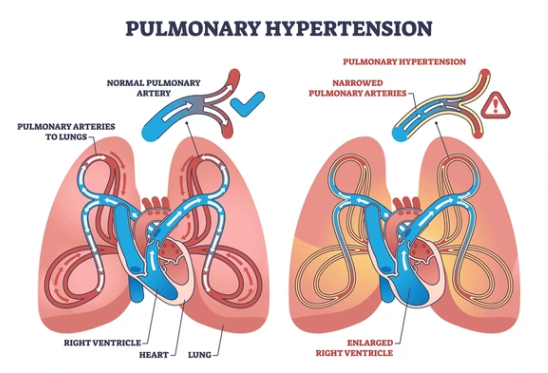
Pulmonary hypertension is a type of high blood pressure that affects the arteries in your lungs and the right side of your heart. In this condition, the walls of the pulmonary arteries (the blood vessels carrying blood from the heart to the lungs) thicken and narrow, or they may become blocked. This forces the heart’s right ventricle to work harder to pump blood through the lungs, which raises the blood pressure within the pulmonary system.
Essentially, what is pulmonary hypertension describes a state of abnormally high pressure in the pulmonary arteries. The terms pulmonary htn, phtn, and pulmonary hyper are common abbreviations or misspellings used to refer to this condition. It is a severe form of pulmonary pressure that, if left untreated, can lead to serious heart problems.
1.2. How the Condition Develops
The lungs’ blood vessels are typically wide and elastic, allowing blood to flow easily. In pulmonary hypertension, these vessels become stiff and narrow.
Increased Resistance: The reduced space in the pulmonary arteries increases the resistance to blood flow.
Right Heart Strain: The heart’s right ventricle, which pumps blood to the lungs, must work harder to overcome this resistance.
Heart Failure: Over time, this overwork causes the right ventricle to enlarge and weaken. Eventually, it can no longer keep up with the demand, leading to pulmonary hypertension disease and ultimately, right-sided heart failure.
1.3. How Common is Pulmonary Hypertension? (Prevalence & Impact)
Pulmonary hypertension is considered a relatively rare condition but has a profound impact on those affected.
Pulmonary hypertension is considered a relatively rare condition but has a profound impact on those affected.
Prevalence: According to the National Heart, Lung, and Blood Institute (NHLBI), a division of the National Institutes of Health, a variety of pulmonary hypertension conditions affect millions of people in the United States alone. However, the prevalence of specific types, like Pulmonary Arterial Hypertension (PAH), is much rarer, affecting about 15 to 50 people per million in the US.
Progressive Nature:Pulmonary hypertension is a progressive disease, meaning it tends to get worse over time. Without treatment, it can lead to severe organ damage and a significantly reduced quality of life.
Mortality: Unfortunately, untreated pulmonary hypertension is fatal. However, with modern therapies, the prognosis has improved dramatically. The question, “is pulmonary hypertension fatal?” has an answer that underscores the critical need for early diagnosis and continuous treatment.
Q: Is pulmonary hypertension the same as high blood pressure?
Expert Answer: No, “pulmonary hypertension high blood pressure” is a phrase used to describe the condition, but it is not the same as general high blood pressure. General hypertension (systemic hypertension) affects the arteries throughout the rest of the body. Pulmonary hypertension affects only the arteries leading to the lungs, making it a distinct medical condition that is diagnosed and treated differently. (American Heart Association – AHA).
2. What Are the Symptoms and Signs of Pulmonary Hypertension?
Recognizing the pulmonary hypertension symptoms can be challenging because in the early stages, they are often vague and non-specific, easily mistaken for other conditions like asthma or simple deconditioning. This lack of clear signs is why the disease can go undiagnosed for a long time. The article’s title highlights a crucial link: a common high blood pressure and shortness of breath.
2.1. The Often Misattributed Signs
The symptoms pulmonary hypertension often presents with are a direct result of the right side of the heart struggling to pump blood through the lungs. These can be gradual and, as a result, a person might not recognize the severity of what they are experiencing. This is a common reason why hypertension shortness of breath is often a key indicator.
2.2. Common Symptoms of Pulmonary Hypertension
The most common signs and symptoms of pulmonary hypertension include:
Shortness of Breath (Dyspnea): This is the primary symptom dyspnea high blood pressure. It may be mild at first, occurring only with physical exertion, but it gradually worsens and can eventually happen at rest. This is a tell-tale sign of high blood pressure breathlessness.
Fatigue and Weakness: Persistent, unexplained fatigue and a general feeling of weakness, as the body’s tissues are not receiving enough oxygenated blood.
Dizziness or Fainting: Especially with physical activity or standing up. This is a sign that the brain is not receiving enough blood due to the heart’s reduced pumping ability.
Chest Pain or Pressure: Discomfort in the chest, particularly after physical activity, can be a symptom. A persistent pulmonary hypertension cough can also be a sign of fluid build-up in the lungs.
Swelling (Edema): Swelling in the ankles, legs, and abdomen is a sign of fluid buildup as the heart begins to fail and fluid backs up in the veins.
Bluish Lips and Skin (Cyanosis): Due to a low level of oxygen in the blood, the lips and skin may take on a bluish tint.
Racing Heartbeat or Palpitations: A feeling of a rapid or fluttering heartbeat.
2.3. End-Stage Symptoms
As pulmonary hypertension disease progresses to its final stages, the symptoms become more severe and disabling:
Severe shortness of breath, even at rest.
Extreme fatigue and weakness.
Increased swelling in the legs and abdomen.
Fainting spells, especially with minimal exertion.
Signs of advanced right-sided heart failure.
2.4. A Common Link: High blood pressure and shortness of breath
The title of this article highlights the connection between high blood pressure and shortness of breath. It’s a common misconception that high blood pressure itself causes shortness of breath. However, when it’s pulmonary high blood pressure (PHTN), that is indeed the case. The elevated pressure in the lung arteries forces the right side of the heart to work harder, leading to right heart strain and fluid backing up into the lungs. This fluid buildup is the direct cause of shortness of breath, making the link between elevated blood pressure and shortness of breath a critical warning sign for PHTN.
Expert Answer:Pulmonary hypertension often feels like a constant struggle for breath, a sensation of being unable to get enough air, especially during physical exertion. This is often accompanied by persistent fatigue, dizziness, and a feeling of pressure in the chest. Many people describe the feeling as a profound shortness of breath that worsens with activity.
Q: Why would high blood pressure cause shortness of breath?
Expert Answer: The term “high blood pressure breathlessness” is misleading. Systemic high blood pressure itself doesn’t typically cause shortness of breath. However, pulmonary high blood pressure (PHTN) does. It’s because the right side of the heart has to work so hard to pump blood through the high-pressure arteries of the lungs that it eventually weakens. This can cause blood to back up into the lungs, leading to fluid buildup and the sensation of being out of breath. (National Heart, Lung, and Blood Institute – NHLBI/NIH).
If you are experiencing persistent symptoms for pulmonary hypertension, particularly high blood pressure shortness of breath or unexplained fatigue, seeking an initial assessment is vital. MaNaDr offers a discreet way to consult with online doctors 24/7 to discuss your concerns and get guidance.
3. What Causes Pulmonary Hypertension?
Understanding what causes pulmonary hypertension is complex, as it is a condition with a variety of underlying causes, which are grouped into five main categories. Knowing these pulmonary htn causes is essential for accurate diagnosis and effective pulmonary hypertension treatment.
3.1. Classifying Causes: The Five Groups
The World Health Organization (WHO) classifies pulmonary hypertension into five main groups based on the underlying cause of pulmonary hypertension:
Group 1: Pulmonary Arterial Hypertension (PAH): This is a rare form caused by genetic mutations, certain drugs, or connective tissue diseases. It’s a progressive disease of the small arteries of the lungs.
Group 2: Left-Sided Heart Disease: This is the most common cause of pulmonary hypertension. It occurs when a disease of the left side of the heart (e.g., mitral valve disease, left ventricular failure) causes blood to back up into the lungs.
Group 3: Lung Diseases and Hypoxia: Conditions that affect the lungs or cause low oxygen levels (hypoxia) can lead to pulmonary hypertension. This includes chronic obstructive pulmonary disease (COPD), interstitial lung disease, and sleep apnea. The body’s response to low oxygen is to constrict blood vessels in the lungs, raising the pressure.
Group 4: Chronic Blood Clots: This form of pulmonary hypertension is caused by repeated or large blood clots in the lungs (pulmonary emboli) that do not dissolve over time.
Group 5: Miscellaneous Causes: This group includes other less common causes, such as sarcoidosis, sickle cell disease, and chronic kidney disease.
Group 1
Group 2
Group 3
Group 4
Group 5
Pulmonary arterial hypertension (rare)
Pulmonary hypertension associated with left heart disease (very common)
Pulmonary hypertension associated with lung disease (common)
Pulmonary hypertension associated with pulmonary artery obstruction (rare)
Pulmonary hypertension with unclear and/or multifactorial mechanisms (rare)
-Heritable -Associated with drugs and toxins -Persistent pulmonary hypertension of the newborn -Pulmonary arterial hypertension with features of venous/ capillary involvement -Associated with: • Connective tissue disease • HIV infection • Portal hypertension • Congenital heart disease • Schistosomiasis
-Heart failure -Valvular heart disease -Congenital /acquired cardiovascular conditions leading to post-capillary pulmonary hypertension
Beyond these underlying causes, several factors can increase the risk of developing pulmonary hypertension:
Family History: A family history of pulmonary hypertension increases the risk, particularly for Group 1 PAH.
Age: The risk increases with age.
Gender:Pulmonary hypertension is more common in women than in men, though men with the condition often have a worse prognosis.
Obesity: A sedentary lifestyle and obesity are risk factors for the diseases (like heart disease) that often lead to secondary pulmonary hypertension.
Certain Medications and Toxins: The use of certain diet drugs, illicit drugs like cocaine, and exposure to some industrial chemicals can increase the risk of PAH.
Expert Answer: In some cases, yes. A portion of Group 1 pulmonary arterial hypertension (PAH) is caused by a genetic mutation that can run in families. However, most cases of pulmonary hypertension are not hereditary and are instead caused by other medical conditions. (MedlinePlus.gov).
4. How Is Pulmonary Hypertension Diagnosed?
Early and accurate pulmonary hypertension diagnosis is critical for improving outcomes and starting effective treatment. Because the symptoms are often non-specific and can mimic other conditions, a thorough evaluation by a healthcare professional is essential. For those wondering “how is pulmonary hypertension diagnosed,” the process typically begins with screening tests and is confirmed with a more specialized procedure.
4.1. The Diagnostic Challenge
The nonspecific nature of pulmonary hypertension symptoms makes the initial diagnosis difficult. Many individuals are misdiagnosed with conditions like asthma or anxiety for years before receiving an accurate pulmonary hypertension diagnosis. This is why a high index of suspicion is required for patients with unexplained shortness of breath and fatigue, especially if they have underlying risk factors.
4.2. Diagnostic Tests
Several tests are used to diagnose pulmonary hypertension, with one being the “gold standard” for confirmation:
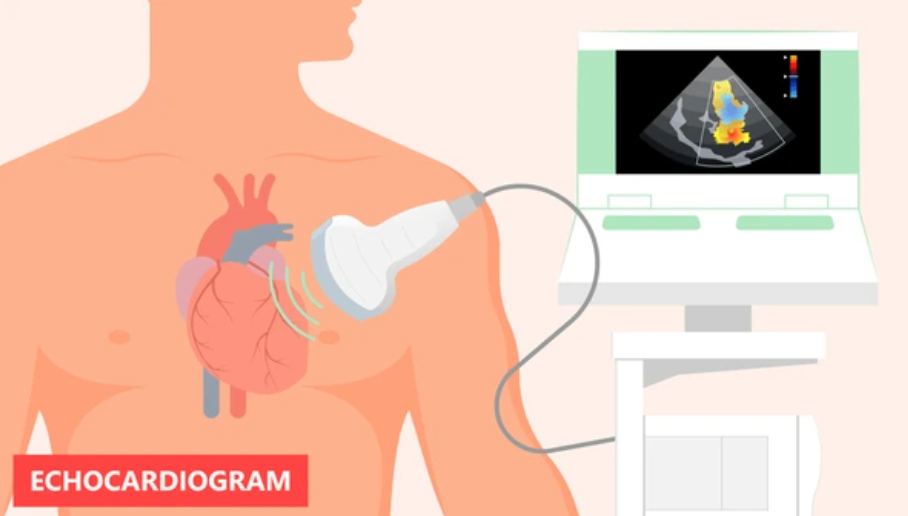
Echocardiogram: This is often the first and most useful screening tool. It is an ultrasound of the heart that can estimate the pressure in the pulmonary arteries and check the function of the right side of the heart.
Right Heart Catheterization: This is considered the gold standard for confirming a diagnosis of pulmonary hypertension. A thin, flexible tube (catheter) is inserted into a vein and guided to the right side of the heart and into the pulmonary arteries to directly measure the pressure.
Other Tests: A doctor may also order:
Chest X-ray: To check for an enlarged heart or blood vessels.
CT Scan: To check for blood clots (emboli) or lung disease.
Pulmonary Function Tests (PFTs): To rule out lung diseases like COPD.
VQ Scan (Ventilation-Perfusion Scan): To look for blood clots in the lungs.
Blood Tests: To check for markers of inflammation or autoimmune diseases.
4.3. Staging and Severity
Once diagnosed, the severity of pulmonary hypertension is often classified using the WHO functional classes, which are based on symptoms and their impact on daily life. Severity is also described in terms of:
Mild pulmonary hypertension: When the pulmonary artery pressure is only slightly elevated.
Moderate pulmonary hypertension: A more significant elevation in pressure.
Severe pulmonary hypertension: A dangerous elevation in pressure that can lead to rapid right heart failure.
Q: Can a regular blood pressure cuff check for high blood pressure in the lungs?
Expert Answer: No. The standard blood pressure cuff measures systemic blood pressure (the pressure in the rest of your body’s arteries). It cannot measure the blood pressure in your lungs. An echocardiogram or a right heart catheterization is required to accurately measure pulmonary pressure. (MedlinePlus.gov).
If you are concerned about persistent shortness of breath, unexplained fatigue, or need to discuss a potential diagnosis, MaNaDr offers a discreet and convenient platform to consult with online doctors 24/7. They can help you understand your symptoms and guide you toward the appropriate diagnostic steps.
5. How Is Pulmonary Hypertension Treated, and Is It Curable?
The good news is that pulmonary hypertension is a treatable condition, even if it is not always curable. The goal of pulmonary hypertension treatment is to manage symptoms, slow disease progression, and improve quality of life.
5.1. Goals of Treatment
The primary goals when treating pulmonary hypertension are to:
Manage Symptoms: To alleviate shortness of breath, fatigue, and swelling.
Slow Progression: To prevent the heart muscle from getting weaker or more enlarged.
Reduce Complications: To lower the risk of arrhythmias, blood clots, and heart failure.
Improve Quality of Life: To help individuals maintain a normal, active lifestyle.
5.2. Treatment Modalities
Treatment for pulmonary hypertension often involves a combination of medications, lifestyle changes, and, in some severe cases, surgery.
Medications: The choice of pulmonary hypertension group and specific medications depends on the underlying cause and severity.
Vasodilators: Drugs like prostacyclins and endothelin receptor antagonists help relax and widen the blood vessels in the lungs.
Guanylate Cyclase Stimulators: A newer class of medications that also help relax pulmonary arteries.
Diuretics (“water pills”): Help the body eliminate excess fluid, reducing swelling in the legs and abdomen.
Blood Thinners (Anticoagulants): Used to prevent blood clots from forming.
Oxygen Therapy: If blood oxygen levels are low (hypoxia), oxygen therapy can help reduce symptoms and prevent further damage.
Surgery: In advanced cases, surgical procedures may be considered:
Lung Transplant: An option for individuals with severe PAH who do not respond to medication.
Heart-Lung Transplant: May be an option for individuals with end-stage pulmonary hypertension that has led to significant right-sided heart failure.
Atrial Septostomy: A procedure to create a small opening between the heart’s atria to relieve pressure on the right side of the heart.
5.3. Is Pulmonary Hypertension Curable?
The question “is pulmonary hypertension curable?” has a nuanced answer:
Generally Not Curable: For most forms of pulmonary hypertension, particularly Group 1 PAH, the condition is chronic and not curable. The goal of treatment is to manage the disease to extend and improve quality of life.
Manageable: “Is pulmonary hypertension treatable?” Absolutely. With modern therapies, many individuals can live with the condition for many years, with a good quality of life.
Cure for Secondary Causes: In some cases of secondary pulmonary hypertension, if the underlying cause can be successfully treated, the pulmonary pressure may return to normal. For example, if a blood clot is successfully removed, or if the underlying left-sided heart disease is effectively treated.
Expert Answer: In the vast majority of cases, pulmonary hypertension is not fully reversible. However, treatment can slow down the progression of the disease and significantly improve symptoms and quality of life. In a small number of cases, where the PHTN is caused by a reversible underlying condition (e.g., blood clots, certain medications), the pressure may return to normal. (National Heart, Lung, and Blood Institute – NHLBI/NIH).
Conclusion
Pulmonary hypertension is a serious but manageable condition that demands awareness and proactive management. Understanding what is pulmonary hypertension, its often-subtle pulmonary hypertension symptoms (especially unexplained shortness of breath), and its diverse causes are crucial steps toward early diagnosis. While the condition can lead to severe complications if left unchecked, the good news is that with prompt diagnosis and a comprehensive pulmonary hypertension treatment plan, individuals can effectively manage their symptoms, slow disease progression, and live full, active lives.
Don’t ignore the warning signs, especially if you experience unexplained high blood pressure shortness of breath or persistent fatigue. Your heart’s health depends on it.
If you are concerned about your heart or lung health, are experiencing persistent symptoms, or need to discuss a potential diagnosis, MaNaDr is here to empower you with immediate access to qualified doctors through our AI-powered teleconsultation platform, ensuring you can connect with the right specialist 24/7 for personalized guidance. Take control of your heart health journey today.
Disclaimer: This article is for informational purposes only and does not constitute medical advice. Always consult with a qualified healthcare professional for diagnosis and treatment of any medical condition.
References
American Heart Association (AHA). (n.d.). About Pulmonary Hypertension. Retrieved fromhttps://www.heart.org/en/health-topics/high-blood-pressure/the-facts-about-high-blood-pressure/pulmonary-hypertension-high-blood-pressure-in-the-heart-to-lung-system