Sleep Apnea: What It Is, Causes, Symptoms & Treatments: 50% of Adults Over 65 Affected - Manadr
Sleep Apnea: What It Is, Causes, Symptoms & Treatments: 50% of Adults Over 65 Affected
MaNaDr2022-04-04
Sleep apnea is a common and serious sleep disorder characterized by repeated pauses in breathing or shallow breaths during sleep. These breathing interruptions, known as apneas, can last from a few seconds to minutes and may occur many times an hour. Such disruptions lead to fragmented sleep and significantly lower oxygen levels in the blood, posing substantial risks to overall health and well-being.
1. What Exactly Is Sleep Apnea?
To fully grasp the impact of this condition, it’s essential to understand its fundamental definition and the specific types of breathing disruptions it involves.
1.1. Defining Sleep Apnea and Apnea Meaning
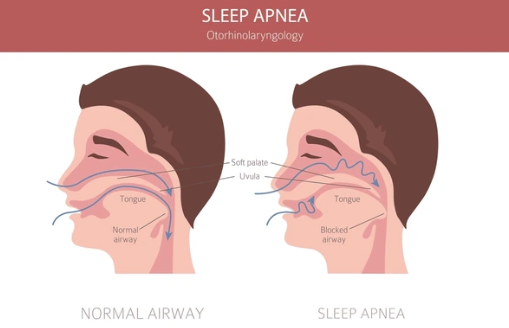
Sleep apnea is a serious sleep disorder where breathing repeatedly stops and starts during sleep. The term “apnea meaning” refers to a temporary cessation of breathing. So, what is apnea in the context of sleep is a pause in breathing. These pauses can happen hundreds of times a night, preventing the body from getting enough oxygen.
Essentially, “what is sleep apnea meaning” is that an individual temporarily stops breathing or has very shallow breaths while asleep. This leads to abrupt awakenings (though often not remembered), which disrupt the sleep cycle and prevent deep, restorative sleep. This impacts overall health, daytime functioning, and safety. It is a genuine “sleep disorder apnea” that requires medical attention.
1.2. Types of Sleep Apnea
Sleep apnea is classified into primary types based on the underlying cause of the breathing interruptions:
Obstructive Sleep Apnea (OSA): This is the most common type of sleep apnea. It occurs when the muscles in the back of your throat relax too much during sleep, causing the soft tissue to collapse and partially or completely block the airway. This leads to repeated instances of “stop breathing while sleeping” despite the person trying to breathe.
Central Sleep Apnea (CSA): This less common type occurs when the brain fails to send proper signals to the muscles that control breathing. The breathing effort ceases because the brain temporarily “forgets” to tell the body to breathe, resulting in a “pause in breathing while sleeping” without an airway obstruction.
Mixed/Complex Sleep Apnea: This type involves a combination of both obstructive and central sleep apnea components. It is often diagnosed when a person with OSA develops central apneas during treatment with continuous positive airway pressure (CPAP).
1.3. How Common Is Sleep Apnea? (Prevalence & Impact)
Sleep apnea is a widespread and growing public health concern globally, affecting a substantial portion of the population. Its prevalence underscores why understanding “how common is sleep apnea” is vital.
Global Prevalence: Estimates suggest that obstructive sleep apnea (OSA) affects approximately 1 billion people worldwide, with moderate to severe OSA affecting nearly 10% of adults aged 30 to 49, and 17% of those aged 50 to 69 (American Academy of Sleep Medicine – AASM).
Prevalence in Older Adults: The title highlights that “50% of Adults Over 65 Affected.” Indeed, studies indicate that the prevalence of moderate to severe sleep apnea can be as high as 50% or even higher in adults aged 65 and over, making it exceptionally common in this demographic (National Heart, Lung, and Blood Institute – NHLBI/NIH; American Academy of Sleep Medicine – AASM). This makes sleep apnea sleeping a significant issue for the elderly.
Undiagnosed Cases: A significant challenge is that 80% to 90% of individuals with sleep apnea remain undiagnosed, largely because they are unaware of their condition (National Sleep Foundation).
Impact: The widespread nature of sleep apnea has profound impacts:
Safety Risks: Untreated sleep apnea significantly increases the risk of motor vehicle accidents due to excessive daytime sleepiness, comparable to or greater than that of driving under the influence.
Cardiovascular Health: It is a major risk factor for high blood pressure, heart attack, stroke, irregular heartbeats, and heart failure.
Metabolic Disorders: Linked to insulin resistance and type 2 diabetes.
Quality of Life: Leads to chronic fatigue, impaired concentration, memory problems, irritability, and reduced overall quality of life.
2. What Are the Symptoms and Signs of Sleep Apnea?
Recognizing the sleep apnea symptoms is crucial, as many individuals are unaware they have the condition. Often, it’s a bed partner or family member who first notices the signs of sleep apnea. Understanding “what are the symptoms of sleep apnea” helps in early detection.
2.1. Common Daytime Symptoms (daytime sleepiness)
The lack of restorative sleep due to repeated breathing interruptions manifests clearly during waking hours:
Excessive Daytime Sleepiness (EDS): This is the hallmark symptom, an overwhelming urge to sleep during the day, even after a full night’s sleep. Individuals may experience falling asleep randomly or falling asleep suddenly in quiet or monotonous situations (e.g., while reading, watching TV, or even driving). This is commonly referred to as the “falling asleep disorder.”
Morning Headaches: Waking up with a headache, often due to reduced oxygen levels during sleep.
Difficulty Concentrating and Memory Problems: Impaired cognitive function due to chronic sleep deprivation.
Irritability and Mood Changes: Emotional lability, anxiety, and depression are common consequences of disrupted sleep.
Fatigue: Persistent tiredness and low energy throughout the day.
2.2. Common Nighttime Symptoms
These sleep apnea signs are typically observed by a bed partner or family member:
Loud, Chronic Snoring: Snoring that is consistently loud, often punctuated by silences, followed by gasps or choking sounds. This is a primary “sign you stop breathing while sleeping.”
Observed Episodes of Stopped Breathing: A bed partner may notice periods (apneas) when the individual stops breathing , sometimes for 10 seconds or longer.
Gasping or Choking During Sleep: Loud gasps, snorts, or choking sounds as breathing restarts.
Abrupt Awakenings: Waking up suddenly with a feeling of choking or shortness of breath.
Restless Sleep: Frequent tossing and turning, leading to fragmented sleep.
Night Sweats: Excessive sweating during sleep.
Frequent Urination at Night (Nocturia): Waking up multiple times to urinate.
2.3. Symptoms in Women
While sleep apnea is more prevalent in men, sleep apnea symptoms in women can be more subtle and atypical, sometimes leading to misdiagnosis:
Women may report less classic loud snoring and more non-specific symptoms like fatigue, insomnia, morning headaches, depression, or restless legs.
They may also experience more anxiety and restless sleep, making it harder to link symptoms directly to sleep apnea. This can delay diagnosis.
2.4. When to Seek Medical Attention for Sleep Apnea
While sleep apnea is often asymptomatic during the breathing pauses, certain situations warrant prompt medical consultation:
Observed Breathing Pauses: If a bed partner or family member observes you repeatedly stopping breathing, gasping, or choking during sleep.
Loud, Chronic Snoring: If your snoring is consistently loud, disruptive, and accompanied by pauses or gasps.
Persistent Excessive Daytime Sleepiness: If you experience overwhelming sleepiness during the day, fall asleep unintentionally, or struggle to stay awake during routine activities, despite getting enough sleep.
Unexplained Morning Headaches or Fatigue: If you frequently wake up with a headache or feel unrefreshed even after a full night’s sleep.
If you have Risk Factors: If you have risk factors such as obesity, a large neck circumference, or a family history of sleep apnea, and experience any concerning sleep-related symptoms.
Don’t wait for severe sleep apnea side effects to manifest. Proactive monitoring and timely medical consultation are key to effective diagnosis and management.
3. What Causes Sleep Apnea?
3.1. Causes of Obstructive Sleep Apnea (OSA)
Obstructive sleep apnea (OSA) occurs when the muscles in the back of your throat relax too much during sleep, failing to keep the airway open. Several factors contribute to this physical obstruction:
Obesity: This is the most significant and common cause of sleep apnea. Excess weight, especially around the neck, leads to increased soft tissue in the throat that can block the airway when muscles relax.
Enlarged Tonsils or Adenoids: Particularly common in children, these can physically obstruct the airway.
Neck Circumference: A large neck circumference (e.g., greater than 17 inches for men, 16 inches for women) often indicates excess soft tissue in the airway.
Anatomical Factors: A naturally narrow airway, a small jaw, or a receding chin can predispose individuals to OSA. A large tongue can also be a factor.
Smoking: Smoking increases inflammation and fluid retention in the upper airway, contributing to obstruction.
Alcohol and Sedative Use: Alcohol and certain sedatives (like sleeping pills or some pain medications) relax throat muscles, worsening airway collapse.
Age: The risk of OSA increases with age, as muscle tone naturally decreases.
3.2. Causes of Central Sleep Apnea (CSA)
Central sleep apnea (CSA) occurs when the brain fails to send proper signals to the breathing muscles. The fundamental sleep apnea cause here is neurological dysfunction rather than physical obstruction. Common contributing factors include:
Heart Failure: This is a common underlying cause of CSA.
Stroke or Brain Tumors: Damage to the brainstem, which controls breathing, can lead to CSA.
Certain Medications: Opioid pain medications, in particular, can suppress the brain’s drive to breathe.
High Altitude: Traveling to high altitudes can sometimes induce CSA.
3.3. Risk Factors
Several factors increase an individual’s risk of sleep apnea:
Obesity: As noted, being overweight or obese is the strongest modifiable risk factor.
Male Gender: Men are two to three times more likely to develop OSA than premenopausal women. However, the risk for women increases significantly after menopause.
Age: The risk of sleep apnea increases with age, peaking after 60 years.
Family History: Having family members with sleep apnea increases your risk, suggesting a genetic predisposition for anatomical features or breathing control issues.
Smoking and Alcohol Use: Both increase the risk of OSA.
Nasal Congestion: Chronic nasal congestion (e.g., from allergies or anatomical issues) can exacerbate OSA.
4. How Is Sleep Apnea Treated?
Effective sleep apnea treatments are crucial for improving sleep quality, reducing daytime symptoms, and significantly lowering the risk of long-term health complications. The approach to how to treat sleep apnea is personalized based on the type and severity of the condition.
4.1. Goals of Sleep Apnea Treatment
The primary goals of sleep apnea therapy include:
Restore normal breathing patterns during sleep, eliminating or greatly reducing apneas.
Improve sleep quality and duration.
Reduce excessive daytime sleepiness and other daytime symptoms.
Lower the risk of serious sleep apnea side effects and associated health problems (e.g., cardiovascular disease).
4.2. Medical Devices
For moderate to severe obstructive sleep apnea, medical devices are often the most effective treatments:
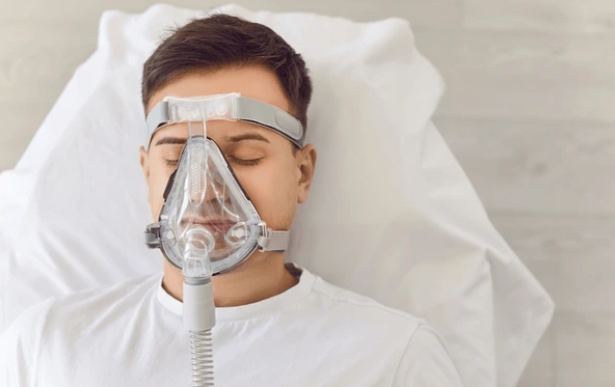
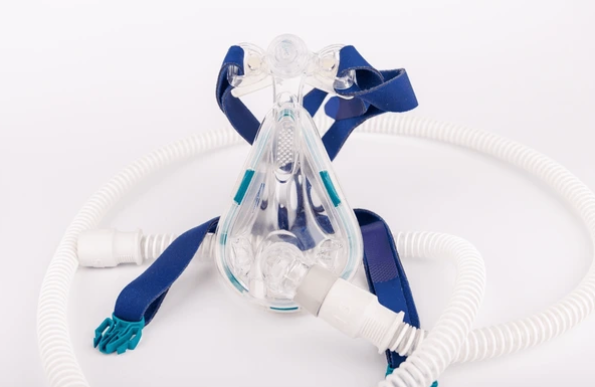
CPAP (Continuous Positive Airway Pressure): This is the most common and highly effective treatment for sleep apnea. A CPAP machine delivers a continuous stream of air through a mask worn over the nose or nose and mouth during sleep. The air pressure keeps the airway open, preventing pauses in breathing. Adherence to CPAP is crucial for its success.
Oral Appliances: Custom-made dental devices resembling mouthguards can be worn during sleep to reposition the jaw or tongue. These sleep apnea therapy devices help keep the airway open by moving the jaw forward or holding the tongue in place. They are often effective for mild to moderate OSA or for those who cannot tolerate CPAP.
Adaptive Servo-Ventilation (ASV): This device is primarily used for Central Sleep Apnea (CSA) and Complex Sleep Apnea. It learns the individual’s normal breathing pattern and adjusts airflow automatically to normalize breathing.
Lifestyle changes are often the first line of sleep apnea treatment for mild cases and are crucial adjunctive therapies for more severe forms:
Weight Loss: For individuals who are overweight or obese, losing even a modest amount of weight can significantly reduce the severity of OSA, and in some cases, even resolve it. This is a key strategy for how to help sleep apnea.
Positional Therapy: Sleeping on your side can help prevent the tongue and soft palate from collapsing the airway. Special pillows or devices can help maintain side sleeping.
Avoid Alcohol and Sedatives: Alcohol, sleeping pills, and some pain medications can relax throat muscles and suppress the brain’s respiratory drive, worsening apnea episodes.
Quit Smoking: Smoking increases inflammation and fluid retention in the upper airway. Quitting can significantly improve sleep apnea symptoms.
Treat Nasal Congestion: Managing nasal allergies or structural issues (e.g., deviated septum) that cause nasal congestion can improve airflow and reduce snoring.
4.4. Surgical Options
For certain individuals with OSA, surgery may be an option, particularly if other treatments are not effective or tolerated:
Uvulopalatopharyngoplasty (UPPP): Removes excess tissue from the back of the throat and soft palate.
Tonsillectomy and Adenoidectomy: Often effective in children if enlarged tonsils/adenoids are causing OSA.
Jaw Repositioning Surgery (Maxillomandibular Advancement): Moves the jaw forward to create more space behind the tongue and soft palate.
Hypoglossal Nerve Stimulation: An implanted device that stimulates the nerve controlling tongue movement, keeping the airway open during sleep.
4.5. Expert Insight: CPAP Adherence is Key
Expert Insight: A common myth is that “CPAP machines are too uncomfortable and aren’t worth the trouble, so I’ll just skip treatment.” However, sleep specialists emphasize the crucial fact that while CPAP requires an adjustment period, it is the most effective non-invasive treatment for moderate to severe OSA. Consistent use dramatically improves sleep quality, reduces excessive daytime sleepiness, and significantly lowers the long-term risks of cardiovascular disease and stroke associated with sleep apnea. Modern machines and masks are designed for comfort, and patient adherence is key to unlocking its full benefits.
If you are concerned about sleep apnea treatment options, struggling with CPAP adherence, or need advice on managing sleep apnea side effects, MaNaDr offers a discreet and convenient platform. You can connect with online doctors 24/7 for expert consultations and personalized guidance.
5. Can Sleep Apnea Be Cured or Prevented?
For many individuals, sleep apnea is a chronic condition that requires ongoing management. However, understanding “is sleep apnea curable” and how to prevent sleep apnea are vital questions that guide long-term health strategies.
5.1. Is Sleep Apnea Curable?
The question “can sleep apnea be cured?” or “does sleep apnea go away?” has a nuanced answer, as it depends on the type and cause:
Obstructive Sleep Apnea (OSA): For some individuals, OSA can be “cured” if it’s caused by a reversible factor. For example, significant weight loss can often eliminate or drastically reduce OSA severity. Similarly, the removal of enlarged tonsils and adenoids in children often provides a cure. However, for many adults with OSA, it’s typically a chronic condition that can be effectively managed but not fully cured, requiring ongoing sleep apnea treatment.
Central Sleep Apnea (CSA): A cure for CSA depends on whether the underlying medical condition causing it can be successfully treated. If, for instance, heart failure improves significantly, the CSA might resolve.
General Outlook: For many, sleep apnea is a lifelong condition where the goal is effective management of symptoms and prevention of complications, rather than a permanent cure. This means understanding “can sleep apnea go away” often depends on addressing the specific root cause.
5.2. How Can Sleep Apnea Be Prevented?
While not all cases of sleep apnea are preventable (especially those with anatomical or neurological causes), adopting certain lifestyle strategies can help reduce your risk or the severity of the condition:
Maintain a Healthy Weight: This is the most impactful preventive measure for OSA. Losing even a modest amount of weight can reduce the amount of tissue in the throat.
Avoid Alcohol and Sedatives: Limiting or avoiding alcohol and sedatives, particularly before bedtime, helps prevent the relaxation of throat muscles that can lead to airway collapse.
Quit Smoking: Smoking cessation reduces inflammation in the airway, which can help prevent or improve sleep apnea.
Sleep on Your Side: For those whose sleep apnea is worse when sleeping on their back, positional therapy (sleeping on your side) can help keep the airway open. This addresses “how to sleep to prevent sleep apnea.”
Manage Nasal Congestion: Treating nasal allergies or structural issues (e.g., deviated septum) that cause chronic nasal congestion can improve airflow and reduce the risk of obstruction. This highlights “how to avoid sleep apnea” by addressing airway issues.
Conclusion
Sleep apnea is a common but serious sleep disorder characterized by repeated pauses in breathing during sleep. Understanding what is sleep apnea, its diverse sleep apnea symptoms (from loud snoring to excessive daytime sleepiness), and its complex causes is the first step toward managing this challenging condition. While not always fully “curable,” particularly in adults, accurate diagnosis and a comprehensive sleep apnea treatment plan—combining medical devices, lifestyle adjustments, and sometimes surgery—can significantly improve an individual’s alertness, safety, and overall quality of life.
Don’t dismiss chronic snoring or persistent daytime fatigue as normal. If you suspect you or a loved one might be affected by sleep apnea, early evaluation and ongoing management are vital. MaNaDr is here to empower you with immediate access to qualified medical professionals through our AI-powered teleconsultation platform, ensuring you can connect with the right specialist 24/7 for personalized guidance. Take control of your sleep health journey today.
Disclaimer: This article is for informational purposes only and does not constitute medical advice. Always consult with a qualified healthcare professional for diagnosis and treatment of any medical condition.
References
American Academy of Sleep Medicine (AASM). (n.d.). Sleep Apnea. Retrieved fromhttps://aasm.org/resources/factsheets/sleepapnea.pdf
Centers for Disease Control and Prevention (CDC). (n.d.). Sleep and Sleep Disorders. Retrieved from https://www.cdc.gov/sleep/index.html(Used for general sleep disorder context, as specific Sleep Apnea factsheet may vary)
World Health Organization (WHO). (n.d.). Sleep and Health. Retrieved fromhttps://www.who.int/news-room/fact-sheets/detail/mental-health-strengthening-our-response