Stomach Cancer: Symptoms, Cause & Treatment: 11 Common Early Signs of Stomach Cancer - MaNaDr - Manadr
Stomach Cancer: Symptoms, Cause & Treatment: 11 Common Early Signs of Stomach Cancer
MaNaDr2021-09-30
Stomach cancer, also known as gastric cancer, is a significant health concern that begins in the lining of the stomach. While frequently treatable, especially when detected early, this type of cancer often progresses silently, with its most crucial stomach cancer symptoms being subtle or easily dismissed. Early detection is vital, as prognosis significantly improves when the disease is caught in its initial stages.
1. What Exactly Is Stomach Cancer (Gastric Cancer)?
1.1. Defining Stomach Cancer and Gastric Cancer
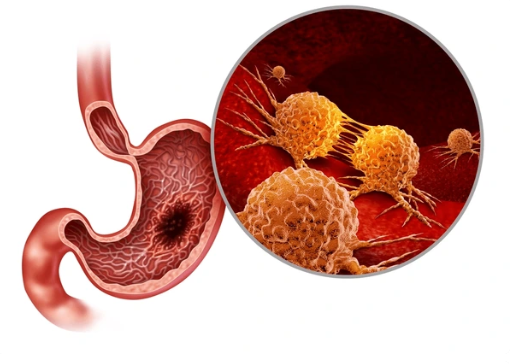
Stomach cancer, medically termed gastric cancer, is a type of cancer that originates in the lining of the stomach. The stomach is a muscular organ located in the upper abdomen, playing a vital role in digestion by breaking down food with acids and enzymes before it moves to the small intestine. It’s a condition where cells in the stomach’s inner lining (mucosa) begin to grow uncontrollably, forming a malignant tumor in stomach. Most stomach cancer cases are adenocarcinomas, which develop from the glandular cells in the stomach lining.
1.2. Types of Stomach Cancer
While most stomach cancer cases are adenocarcinomas, other less common types can also originate in the stomach:
Adenocarcinoma: Accounts for over 90% of stomach cancers, starting in the glandular cells of the stomach lining.
Lymphoma: Cancer of the immune system cells (lymphocytes) that can sometimes begin in the stomach wall.
Gastrointestinal Stromal Tumor (GIST): A rare type of tumor that starts in the specialized cells in the wall of the gastrointestinal tract, including the stomach.
Carcinoid Tumor: A type of neuroendocrine tumor that can form in the stomach.
1.3. How Common is Stomach Cancer? (Prevalence & Impact)
Stomach cancer is a significant global health concern, though its incidence varies dramatically by region.
Global Incidence: According to the Global Cancer Observatory (GCO, an initiative of WHO/IARC), stomach cancer was the fifth most common cancer diagnosed worldwide in 2022, with approximately 1 million new cases. It was also the fourth leading cause of cancer-related death globally, accounting for over 760,000 deaths (Global Cancer Observatory).
Regional Differences: Incidence rates are highest in East Asian countries (like Japan, Korea), Eastern Europe, and parts of South America, while they are lower in North America and Western Europe.
Age of Diagnosis: The risk of stomach cancer significantly increases with age, with most diagnoses occurring in people over the age of 60.
Impact: The widespread nature and often late diagnosis of stomach cancer lead to a profound impact on individuals and healthcare systems. Its vague early symptoms frequently mean it’s discovered at advanced stages, complicating treatment and worsening stomach cancer prognosis.
2. What Are the Symptoms and Signs of Stomach Cancer?
Recognizing stomach cancer symptoms can be challenging because, in its early stages, stomach cancer typically presents with no noticeable signs of stomach cancer. This highlights its insidious nature, often called a “silent disease.” You cannot tell you have stomach cancer just by how you feel.
2.1. The “Silent Disease”: Early Stages Often Asymptomatic
For many individuals, there are no early symptoms of stomach cancer at all, especially in its initial stages. The stomach is a relatively large organ, allowing tumors to grow to a significant size without causing obstruction or pressing on nerves. This lack of initial stomach cancer symptoms is a primary reason why it’s often diagnosed at a later, more advanced stage. Many individuals realize “how I knew I had stomach cancer” only when symptoms become persistent and disruptive.
2.2. Common Symptoms of Stomach Cancer (As Disease Progresses)
As stomach cancer grows or spreads, it can lead to various symptoms from stomach cancer. These are often vague and non-specific, easily mistaken for less serious conditions like indigestion or an upset stomach. For those wondering “what does stomach cancer feel like,” it can manifest as chronic discomfort rather than acute pain.
Common stomach cancer and symptoms include:
Persistent Indigestion or Heartburn: Ongoing discomfort or burning sensation in the upper abdomen that doesn’t resolve with antacids.
Abdominal Discomfort or Pain: A persistent aching, fullness, or pain in the stomach area, especially after eating. This may be a key “cancer sign stomach.”
Bloating after Eating: Feeling uncomfortably full or swollen in the abdomen even after consuming small amounts of food.
Nausea and Vomiting: Persistent feelings of sickness, with or without actual vomiting, especially after meals. Vomiting food hours after eating can be a warning sign.
Feeling Full After Eating Small Amounts of Food (Early Satiety): Feeling unusually full very quickly after starting a meal, indicating that the stomach may not be emptying properly or a tumor is taking up space.
Unexplained Weight Loss: Significant, unintentional loss of body weight without changes in diet or exercise.
Fatigue and Weakness: Persistent tiredness and a general lack of energy, often due to anemia from hidden blood loss that is not immediately visible. This can be an early cancer sign stomach.
2.3. Gender-Specific Considerations
While the core stomach cancer symptoms male and symptoms stomach cancer woman are generally similar, there are some nuances in how they might be interpreted or diagnosed:
Attribution of Symptoms in Women: Women might sometimes attribute gastrointestinal symptoms like persistent bloating, abdominal pain, or changes in appetite to other common conditions such as irritable bowel syndrome (IBS), premenstrual syndrome (PMS), or gynecological issues. This can occasionally delay the consideration of stomach cancer as a possibility.
Similar Presentation: Overall, the specific symptoms of stomach cancer in women are consistent with those seen in men, focusing on digestive discomfort, weight changes, and fatigue. There are no unique stomach cancer symptoms female that are exclusive to women.
2.4. FAQs from a Doctor’s Perspective
Here are common questions patients have about stomach cancer symptoms, with expert answers:
Q: “I have frequent indigestion. Could it be stomach cancer?”
Doctor’s Answer: “Frequent indigestion is very common and usually benign. However, if your indigestion is new, persistent (lasting more than a few weeks), not responding to usual remedies, or is accompanied by other concerning symptoms like weight loss, trouble swallowing, or vomiting, it warrants medical evaluation. It’s especially important to consult a doctor if you are over 55 and experience new-onset indigestion (National Cancer Institute – NCI).”
Q: “What if my symptoms are vague, like just feeling tired or losing weight?”
Doctor’s Answer: “Vague symptoms like persistent fatigue, weakness, or unexplained weight loss are common in many conditions. However, when these symptoms are persistent, progressive, and especially when combined with any gastrointestinal discomfort, appetite changes, or early fullness, they become significant red flags. A comprehensive evaluation by a doctor is crucial to determine the cause and rule out serious conditions like stomach cancer (American Cancer Society – ACS).”
If you’re unsure about any unusual or persistent stomach cancer symptoms, or any potential signs of stomach cancer, it’s important to seek medical advice. MaNaDr offers a discreet and convenient way to consult with doctors about your health concerns, helping you clarify what might be going on without delay.
3. 11 Common Early Signs of Stomach Cancer
While stomach cancer can be “silent,” certain persistent changes in your body, even if seemingly minor, can be common early signs of stomach cancer that you must know. Recognizing these stomach cancer signs can be crucial for early detection.
3.1. Identifying Key Early Indicators
These 11 common early signs of stomach cancer serve as crucial stomach cancer symptoms to watch for. They are often overlooked or attributed to less serious issues, leading to delayed diagnosis. While some may indicate more advanced disease, they are still “early signs to know” for potential intervention.
Persistent Indigestion or Heartburn: Ongoing discomfort or burning in the upper abdomen that doesn’t resolve with antacids.
Ongoing Abdominal Discomfort or Pain: A persistent aching, fullness, or generalized pain in the stomach area, especially after eating. This is often a key “cancer sign stomach.”
Feeling Full After Eating Only a Small Amount of Food (Early Satiety): Feeling unusually full very quickly after starting a meal, indicating that a tumor in stomach may be taking up space.
Persistent Nausea or Vomiting: Ongoing feelings of sickness, with or without actual vomiting, especially vomiting food hours after eating.
Unexplained and Significant Weight Loss: Losing a noticeable amount of weight without changes in diet or exercise.
Loss of Appetite or Aversion to Certain Foods: A reduced desire to eat, or developing a dislike for foods (e.g., meat) that you once enjoyed.
Fatigue and Weakness: Persistent tiredness and a general lack of energy, often due to anemia from hidden blood loss.
Difficulty Swallowing (Dysphagia): A sensation of food getting stuck in the throat or chest while trying to swallow, indicating cancer near the esophagus (gastroesophageal junction).
Black, Tarry Stools (Melena) or Vomiting Blood (Hematemesis): These are signs of internal bleeding from the stomach, which can make stools look like tar or cause coffee-ground-like vomit.
Yellowing of the Skin or Eyes (Jaundice): A yellowish discoloration, which can indicate that the cancer has spread to the liver.
Swelling in the Abdomen (Ascites): Fluid buildup in the abdominal cavity, often a sign of advanced cancer spread.
3.2. Importance of Early Recognition
Being aware of “what are the signs of stomach cancer” and taking them seriously is paramount. If you experience any of these persistent stomach cancer symptoms, especially if they are new or worsening, it’s crucial to consult a doctor. Early recognition significantly improves the chances of successful stomach cancer treatment and a better prognosis.
4. What Causes Stomach Cancer?
4.1. Complex Causes and Risk Factors
The exact reason what causes a stomach cancer remains unknown in many cases, but research has identified several stomach cancer risk factors that can increase an individual’s likelihood of developing the disease. It’s the interplay of these factors that typically leads to the development of stomach cancer.
4.2. Primary Risk Factors
These factors are strongly linked to stomach cancer development:
Helicobacter pylori (H. pylori) infection: This is the strongest known risk factor. Chronic infection with H. pylori bacteria can cause long-term inflammation of the stomach’s inner lining (gastritis), leading to changes that increase cancer risk.
Age: The risk of stomach cancer significantly increases with age, particularly after age 60.
Gender:Stomach cancer is more common in men than in women.
Race/Ethnicity: Higher rates are observed in certain populations, including individuals of East Asian, Eastern European, and South American descent.
Family History/Genetics: If you have close relatives who had stomach cancer, your risk is elevated. Inherited syndromes, such as Hereditary Diffuse Gastric Cancer (HDGC), Familial Adenomatous Polyposis (FAP), and Lynch syndrome, also significantly increase the risk. This addresses “is cancer of the stomach hereditary.”
4.3. Lifestyle and Environmental Risk Factors
These factors relate to lifestyle choices that can be altered to potentially reduce your risk:
Diet: A diet high in salted, smoked, and pickled foods, and low in fresh fruits and vegetables, is linked to an increased risk of stomach cancer. Nitrates and nitrites in processed foods can be converted to cancer-causing compounds.
Smoking: Tobacco use significantly increases the risk of stomach cancer.
Excessive Alcohol Consumption: Heavy and regular alcohol intake is associated with an increased risk.
Obesity: Being overweight or obese is a risk factor for stomach cancer, particularly cancer that starts in the upper part of the stomach (cardia).
Occupational Exposure: Exposure to certain chemicals in industries such as coal, rubber, and metal processing may increase risk.
4.4. Other Medical Conditions
Several other medical conditions can increase the risk of stomach cancer:
Chronic Gastritis: Long-term inflammation of the stomach lining.
Pernicious Anemia: A type of anemia caused by vitamin B12 deficiency, which can lead to chronic inflammation of the stomach lining.
Gastric Polyps: Certain types of stomach polyps can become cancerous over time.
Previous Stomach Surgery: For conditions like ulcers, some types of stomach surgery can alter acid production and increase cancer risk years later.
4.5. FAQs from a Doctor’s Perspective
Here are common questions patients have about stomach cancer causes, with expert answers:
Q: “Can stress or spicy food cause stomach cancer?”
Doctor’s Answer: “A common myth is that ‘stress or spicy food directly cause stomach cancer.’ However, while stress and certain foods can certainly worsen symptoms of indigestion or ulcers, there is no scientific evidence to suggest they directly cause the development of stomach cancer. The true causes are complex, involving factors like H. pylori infection, genetics, and long-term dietary habits, not acute stress or a single spicy meal (American Cancer Society – ACS).”
Q: “If my stomach hurts after eating certain foods, is it a sign of stomach cancer?”
Doctor’s Answer: “Discomfort after eating is very common and often due to benign issues like indigestion, acid reflux, or food sensitivities. However, if this pain is persistent, worsening, accompanied by other red flags like unexplained weight loss, feeling full quickly, difficulty swallowing, or vomiting, it should always be evaluated by a doctor. While food doesn’t cause cancer, persistent symptoms related to eating warrant professional assessment (National Cancer Institute – NCI).”
If you’re concerned about your stomach cancer risk factors or family history, or if you have questions about what causes stomach cancer, MaNaDr offers a discreet and convenient way to consult with online doctors 24/7 for guidance.
5. Is stomach cancer curable? How Is Stomach Cancer Treated
A vital question for anyone diagnosed with or concerned about this infection is “is stomach cancer curable?” The answer is: yes, especially if detected early. However, the curability of stomach cancer heavily depends on the stage at which it is diagnosed.
5.1. Is Stomach Cancer Curable?
Yes, stomach cancer is curable, particularly when it is diagnosed in its early stages (e.g., Stage 1 or 2). The challenge lies in its often silent nature, which frequently leads to a late diagnosis. When stomach cancer is diagnosed at an advanced stage (e.g., stage 4 stomach cancer), a complete cure becomes less likely, but treatments can still effectively manage the disease, extend life, and significantly improve quality of life. The goal of stomach cancer treatment is either to cure the cancer or to control its growth and relieve symptoms.
5.2. How Is Stomach Cancer Treated
How to treat stomach cancer typically involves a multi-modal approach, combining different therapies depending on the cancer’s stage, location, and the patient’s overall health. This approach aims to provide the most effective treatment for stomach cancer.
5.3. Treatment Options by Stage
Surgery: This is the primary stomach cancer treatment and often curative for early-stage disease.
Gastrectomy: Partial or total removal of the stomach. The surgeon removes the part of the stomach containing the cancer, and sometimes nearby lymph nodes and other affected tissues. For stomach lining cancer or a tumor in stomach, surgery is often the first step.
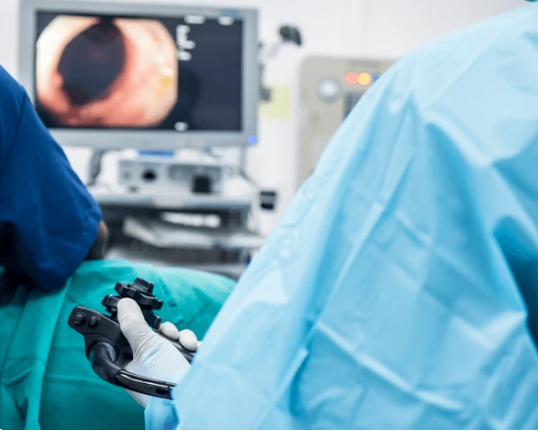
Endoscopic Resection: For very early-stage cancers that have not spread, minimally invasive endoscopic procedures may be used to remove tumors from the inner lining.
Chemotherapy: Uses powerful drugs to kill cancer cells throughout the body. It can be given:
Before surgery (neoadjuvant): To shrink tumors and make them easier to remove.
After surgery (adjuvant): To kill any remaining cancer cells and reduce recurrence risk.
For advanced disease: To control cancer growth and manage symptoms in stage 4 stomach cancer or recurrent cancer.
Radiation Therapy: Uses high-energy rays to kill cancer cells or shrink tumors. It’s often combined with chemotherapy, particularly for advanced or unresectable tumors, or to relieve symptoms.
Targeted Therapy: These newer stomach cancer treatments use drugs that target specific genes or proteins found in cancer cells. They are often used for advanced disease that has certain genetic mutations.
Immunotherapy: A type of stomach cancer treatment that helps your body’s immune system fight cancer. It is used for certain types of advanced stomach cancer that meet specific molecular criteria.
5.4. FAQs from a Doctor’s Perspective
Here are common questions patients have about stomach cancer treatment, with expert answers:
Q: “If my stomach cancer is advanced (Stage 4), is there any hope for treatment?”
Doctor’s Answer: “While stage 4 stomach cancer is challenging and a complete cure is often not possible, significant advancements in systemic therapies (chemotherapy, targeted therapy, immunotherapy) mean that many patients can live much longer with controlled disease. The focus shifts to extending life, managing symptoms stomach cancer, and maintaining quality of life. It’s never about ‘no hope,’ but about finding the most effective strategies to manage the illness (American Society of Clinical Oncology – ASCO).”
Q: “Are there specific medications for stomach cancer that are ‘best’?”
Doctor’s Answer: “There isn’t a single ‘best’ medication for stomach cancer; the choice of stomach cancer medication is highly individualized. It depends on the cancer’s stage, its genetic makeup, its location in the stomach, and the patient’s overall health and preferences. Treatment often involves a combination of therapies tailored to the specific characteristics of the tumor and the patient (National Cancer Institute – NCI).”
6. What Is the Prognosis of Stomach Cancer
Understanding the prognosis of stomach cancer provides insight into the likely course and outcome of the disease. While stomach cancer can be aggressive, prognosis is highly dependent on the stage at which it is diagnosed and treated.
6.1. Understanding Stomach Cancer Prognosis
Stomach cancer prognosis refers to the probable outcome or course of the disease. It’s influenced by several factors, including:
Stage of Cancer: This is the most crucial factor. Early-stage cancers have a much better prognosis than advanced ones.
Type and Grade of Cancer: The specific type of stomach cancer (e.g., adenocarcinoma vs. rarer types) and how aggressive the cancer cells look under a microscope (grade).
Location of Tumor: Where the tumor in stomach is located can affect resectability and treatment options.
Patient’s Overall Health: A person’s general health, age, and presence of other medical conditions can impact their ability to tolerate stomach cancer surgery and other treatments.
Response to Treatment: How well the cancer responds to initial and subsequent therapies.
6.2. Stomach Cancer Survival Rates by Stage
Stomach cancer survival rate provides a statistical estimate of the percentage of individuals who are still alive for a certain period (e.g., 5 years) after diagnosis. These rates highlight the dramatic impact of early detection.
Localized Disease: When stomach cancer is confined entirely to the stomach, the 5-year survival rate of stomach cancer is approximately 60-70%.
Regional Disease: If the cancer has spread to nearby lymph nodes or directly into adjacent organs, the 5-year survival rate is typically around 30-40%.
Distant (Metastatic) Disease: For stage 4 stomach cancer, where the cancer has spread to distant parts of the body, the 5-year stomach cancer survival rate is lower, often around 5-10%. However, it’s important to note that these statistics are improving with advancements in treatment. The stage 4 stomach cancer survival rate by age also varies, with younger patients sometimes having a slightly better prognosis.
These figures illustrate why detecting stomach cancer at an early stage is paramount for improving outcomes.
Disclaimer: This article is for informational purposes only and does not constitute medical advice. Always consult with a qualified healthcare professional for diagnosis and treatment of any medical condition.
World Health Organization (WHO). (n.d.). Cancer Fact Sheets: Stomach cancer. Retrieved fromhttps://gco.iarc.who.int/media/globocan/factsheets/cancers/7-stomach-fact-sheet.pdf
Global Cancer Observatory (GCO) (IARC/WHO). (2022). Cancer Today. Retrieved fromhttps://gco.iarc.fr/today/(Used for 2022 global incidence/mortality data)