


Weight loss and fat loss are two terms that are often used interchangeably, but they actually refer to different things. Weight loss refers to a decrease in the number on the scale, while fat loss refers to a decrease in the amount of body fat. Understanding the difference between the two is crucial if you want to achieve your health and fitness goals.
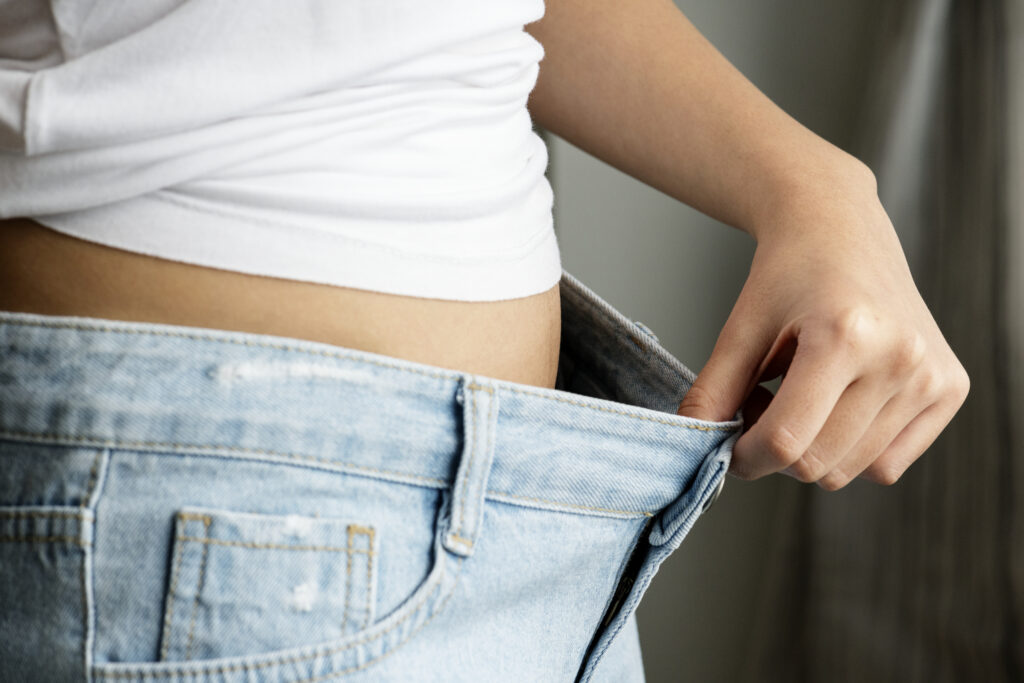
Weight loss is the reduction of the total body mass, which can be achieved by decreasing body fat, muscle mass, bone density, or water weight. While it is generally considered a positive outcome for people who are overweight or obese, it can also be a negative outcome for people who are already at a healthy weight or who are trying to build muscle.
Fat loss, on the other hand, refers specifically to the loss of body fat. This is important because body fat is linked to a number of health problems, including heart disease, type 2 diabetes, and certain types of cancer. Losing body fat, while maintaining muscle mass and bone density, is generally considered the best approach for improving overall health.
The answer depends on your individual goals and circumstances.
If you are overweight or obese, weight loss can be an important goal for improving your health. Losing weight can help to reduce your risk of developing a number of health problems, including heart disease, type 2 diabetes, and certain types of cancer. However, it is important to note that not all weight loss is created equal. Losing muscle mass or bone density, for example, can actually be harmful to your health in the long run.
If you are already at a healthy weight, or if you are trying to build muscle, then fat loss may be a more appropriate goal. Building muscle can help to increase your metabolism, which in turn can help you to burn more calories throughout the day. This can lead to fat loss over time, even if the number on the scale stays the same.
One way to achieve fat loss is through strength training. Strength training involves lifting weights or using resistance bands to build muscle. This type of exercise has been shown to be particularly effective for reducing body fat while maintaining muscle mass.
Another way to achieve fat loss is through cardio exercise. Cardio exercises, such as running, cycling, or swimming, can help to burn calories and increase your heart rate. This can lead to fat loss over time, particularly if you are consistent with your exercise routine.
In addition to exercise, diet also plays a key role in fat loss. To lose body fat, it is important to create a calorie deficit. This means consuming fewer calories than your body burns each day. However, it is important to do this in a healthy and sustainable way. Crash diets or extreme calorie restrictions can be harmful to your health and may not lead to long-term fat loss.
Instead, focus on eating a balanced diet that is rich in whole, nutrient-dense foods. This can help to ensure that you are getting all of the vitamins, minerals, and nutrients that your body needs to function properly. Aim to eat a variety of fruits, vegetables, whole grains, lean protein, and healthy fats.
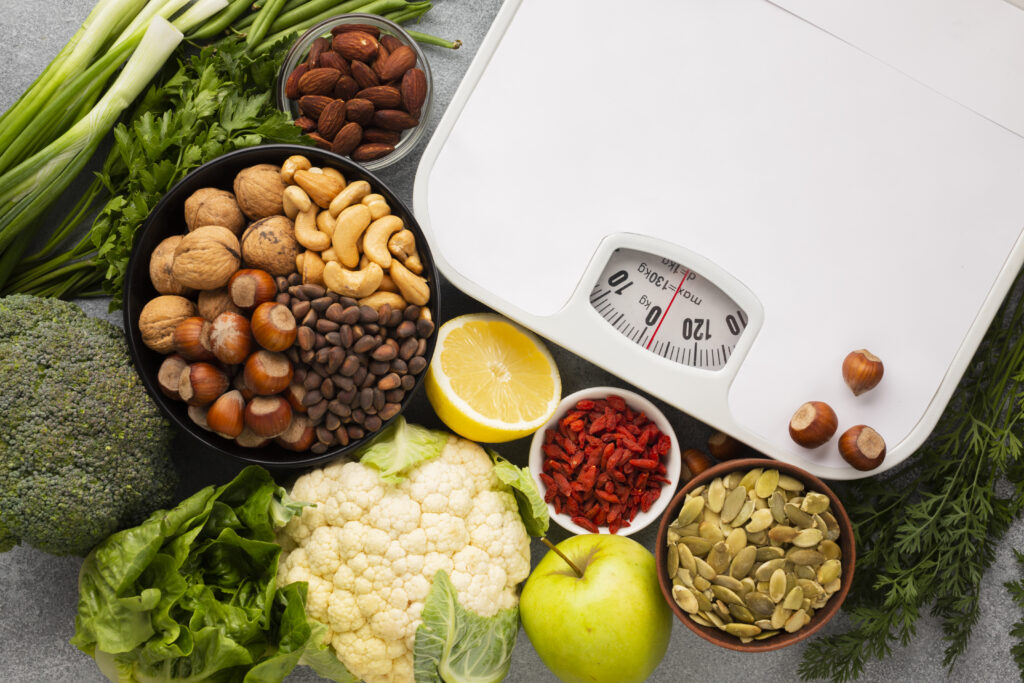
It is also important to pay attention to your portions. Eating too much, even healthy foods, can lead to weight gain or prevent you from losing body fat. Try using a food scale or measuring cups to help you keep track of your portions.
In summary, weight loss and fat loss are two different things. While weight loss can be important for improving health, fat loss is generally considered to be the best approach for reducing the risk of health problems associated with excess body fat. By adopting healthy lifestyle habits, we can achieve sustainable fat loss and improve overall health and well-being.