


Attaining and sustaining a healthy weight is crucial. Carrying excess weight raises the likelihood of developing conditions that pose risks for heart disease. These include elevated blood pressure, high levels of LDL (bad) cholesterol, low HDL (good) cholesterol, diabetes, and sleep apnea. Additionally, there is an increased susceptibility to stroke, atrial fibrillation, and heart failure.
Losing weight requires consuming fewer calories than your body expends through regular metabolism and physical activity. The essential strategy is to develop sound eating habits and exercise routines that achieve a proper equilibrium of calories, nutritional intake, and consistent physical activity.
Here are ten behaviors that can bolster endeavors for weight loss and promote healthy eating:
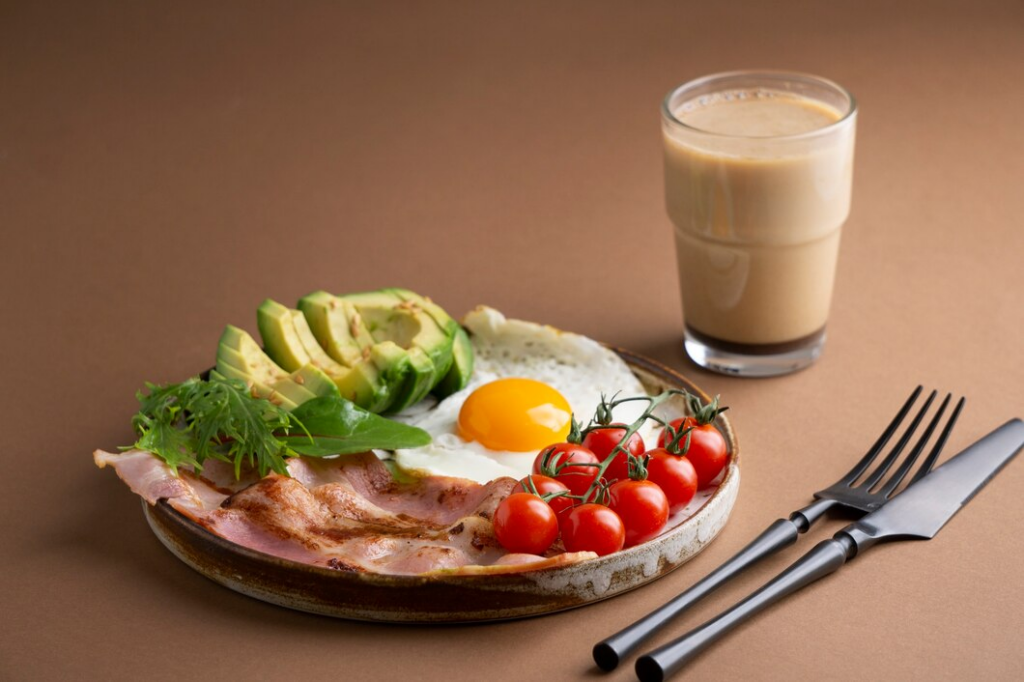
Breakfast is crucial in shaping your day. Choosing a high-protein option can curb cravings and aid in weight loss, emphasizing the impact of morning nutrition on overall well-being.
Protein plays a vital role in the composition of our muscles, bones, skin, hair, nails, organs, and blood, among other components. To ensure optimal health for these structures, it is advised to include a daily intake of 25-40 grams of protein spread across 4-5 meals, with an emphasis on starting the day with a protein-rich breakfast.
Incorporating protein sources such as eggs and dairy can contribute to preventing tissue breakdown, preparing the body for physical activity, aiding in recovery, and promoting a sense of satisfaction between meals.
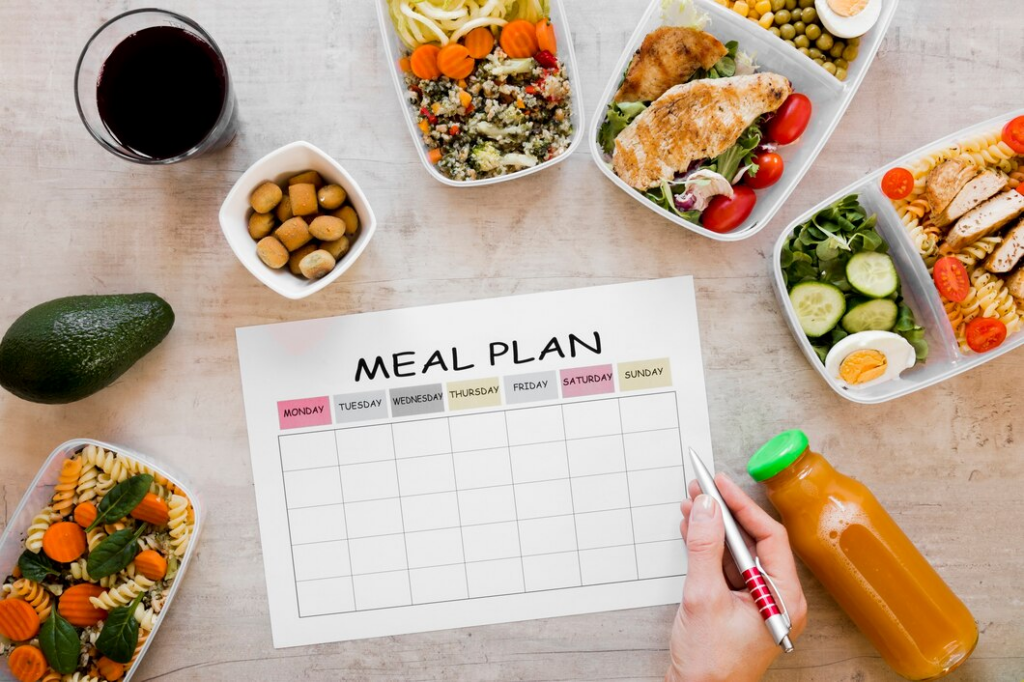
If weight loss is your goal, now is the time to plan. Successful, lasting results require careful consideration of your target weight, dietary choices, calorie monitoring, exercise schedule, and workout types. Taking the time to address these factors will enhance the effectiveness and sustainability of your weight-loss journey.
Maintain a three-day food journal, documenting all meals and drinks, including portion sizes. Note instances of dining out, consuming takeout, or grabbing food on the go to gain insights into your eating habits.

Boosting weight loss can be as simple as beginning your morning with a couple of glasses of water.
Water intake has been shown to elevate energy expenditure, causing your body to burn more calories for a minimum of 60 minutes. Additionally, it is associated with reduced appetite and overall food intake.
According to a study published in PubMed Central, overweight women who raised their daily water intake to over 34 ounces (one liter) experienced an additional weight loss of 4.4 pounds (2 kg) over one year. Remarkably, this weight loss occurred without any modifications to their diet or exercise routines.
Initiating your day with water and maintaining good hydration throughout the day is an excellent and effortless method to enhance weight loss.

Portion control is about being aware of the amount and nutritional value of your food. Oversized portions can undermine weight loss efforts, so adjusting serving sizes is crucial. This practice helps create a nutrient-dense eating pattern, allowing you to develop healthy habits and increase the likelihood of achieving your health goals.
Managing portion sizes doesn’t necessitate consuming minuscule amounts or meticulously measuring every item on your plate. However, if our current intake is excessive, it might be beneficial to retrain our minds to perceive smaller-than-usual portions as satisfying and sufficient.

Exercise offers a range of health benefits, including lowering blood pressure and cholesterol to prevent heart issues. It also reduces the risk of cancers like colon and breast cancer, and contributes to mental well-being, potentially lowering anxiety and depression rates. Moreover, exercise supports weight loss by increasing metabolism and maintaining lean body mass.
In weight loss, increased physical activity raises the calories your body expends for energy. The combination of burning calories through exercise and reducing calorie intake creates a calorie deficit, leading to weight loss. The primary driver of weight loss often stems from a decrease in caloric intake.
The choice of exercise for weight loss matters less than the consistency of doing it. Experts advise selecting activities you enjoy to ensure adherence to a regular routine.

Researchers have explored potential links between weight and sleep, with numerous studies proposing that insufficient sleep and poor sleep quality may contribute to metabolic disorders, weight gain, and an elevated risk of obesity and other chronic health conditions.
Ensuring sufficient, high-quality sleep is a crucial element of a healthy weight loss strategy. Research highlights that a lack of sleep during dieting can diminish the amount of weight lost and promote overeating.

Stress significantly affects weight, hindering both maintenance and loss. Elevated cortisol levels and stress-induced behaviors contribute to this link. Self-care practices like mindfulness and exercise can counteract stress’s impact on eating habits.
Researchers note that stress triggers the release of adrenaline and cortisol, leading to glucose release for energy in the fight-or-flight response. Managing stress is vital for overall well-being and weight control.

Choosing to eat at home provides you with the control to decide the quantity of each ingredient or food you consume. Unlike dining out, where you have limited influence over the ratio of carbs, fats, protein, or vegetables on your plate, eating at home allows you the flexibility to customize your meals according to your preferences and nutritional goals.

Commonly, weight loss supplements come in the form of nutritional substances, taken as pills or powders that can be mixed into drinks such as smoothies. Some supplements also resemble protein bars and may serve as meal replacements.
However, it’s crucial to use them in conjunction with a balanced diet and exercise, consulting with a healthcare professional for personalized guidance.

Ceasing alcohol consumption can positively impact your metabolism by eliminating excess calorie intake that might contribute to weight gain. Despite having minimal nutritional value, alcohol is calorie-dense, offering energy without significant benefits to the body.
By abstaining from alcohol, you not only decrease calorie consumption but also enhance your metabolism, aiding in weight loss efforts. Additionally, cutting out alcohol can diminish cravings for unhealthy foods, as drinking is often linked with snacking and overeating.
Implementing minor adjustments to your morning routine can be a simple yet effective strategy for boosting weight loss. Cultivating healthy habits in the morning not only facilitates weight management but also kick starts your day on a positive note, setting the stage for success.
To optimize outcomes, integrate these morning habits into a comprehensive approach that includes a balanced diet and a healthy lifestyle.