


Smoking can have a variety of negative impacts on the body. Some of them can have life-threatening consequences. Therefore, quit smoking as soon as possible is a way to protect your health and the people surrounding you.
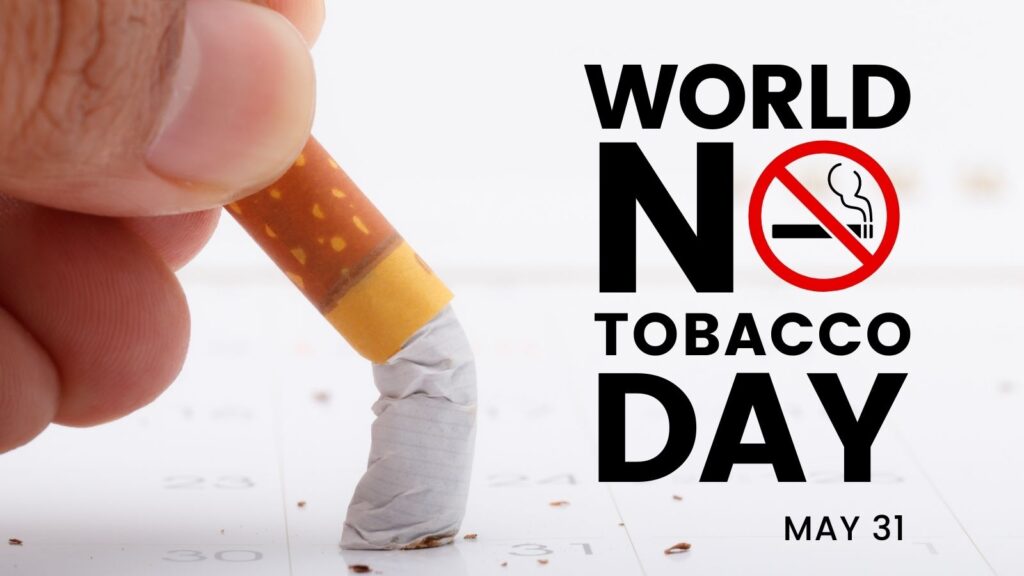
World No Tobacco Day was established in 1987 by WHO member countries to call global attention to the tobacco pandemic and the death caused by tobacco.
This annual event educates the public on the hazards of tobacco use, the business methods of tobacco firms, what the World Health Organization (WHO) doing to combat the tobacco epidemic, and what people all over the globe can do to assert their right to health and a healthy lifestyle and to safeguard future generations.
Dried tobacco leaves are used to make cigarettes, cigars, and pipe tobacco. Other compounds are frequently added to enhance flavor and make smoking more pleasurable. The smoke produced by these items is a complex combination of chemicals created by the combustion of tobacco and its additives.
Cigarettes contain around 600 components. They emit around 7,000 compounds when burnt. At least 69 of these chemicals have been linked to cancer, and several are highly hazardous.
Nicotine is a highly addictive substance found in the tobacco plant and so contained in all tobacco products. Although nicotine is addictive and keeps individuals using tobacco products, it is not the cause of tobacco’s death.
Carbon monoxide is a toxic gas that replaces oxygen in your bloodstream. This causes your heart to work significantly harder and prevents your lungs from functioning correctly. Your cells and tissues will be deprived of the oxygen they require. This can result in cardiovascular disease and stroke. If you smoke while pregnant, carbon monoxide stops your baby from obtaining enough oxygen.
Tar is the yellow-brown material that stains smokers’ teeth and fingertips. Additionally, it includes carcinogenic particles (carcinogens). Tar wreaks havoc on your lungs by constricting the tiny tubes (bronchioles) that absorb oxygen. It also harms the cilia, which helps protect your lungs from debris and illness. This can result in a variety of lung disorders, including chronic obstructive pulmonary disease (COPD) and emphysema.
Oxidizing chemicals are highly reactive substances that can harm heart muscles and blood vessels. They react with cholesterol, causing fatty material to accumulate on arterial walls. Their effects cause cardiovascular disease, stroke, and blood vessel disease.
Tobacco leaves used to create cigarettes and cigars contain radioactive elements. Because these elements are derived from the fertilizer and soil used to cultivate the tobacco leaves, the amount in tobacco varies depending on the soil in which the plants were grown and the type of fertilizers used. When tobacco is burnt, radioactive elements are released into the smoke, which smokers inhale into their lungs. This might be another key element in the development of lung cancer in smokers.
Tobacco use affects practically every organ in the body and increases the possibility of several illnesses. These are some harmful conditions you may suffer if you do not quit smoking.
Lung cancer is the most common cancer induced by cigarette use. Cigarette smoking has been related to between 80 to 90 percent of all occurrences of lung cancer, the leading cause of cancer mortality in both men and women, and is responsible for approximately 80 percent of fatalities from this illness. Smoking raises the risk of lung cancer five to tenfold, with heavy smokers being at a higher risk. Besides, smoking is also linked to mouth, pharynx, larynx, esophagus, stomach, pancreatic, cervix, kidney, and bladder cancers, as well as acute myeloid leukemia.
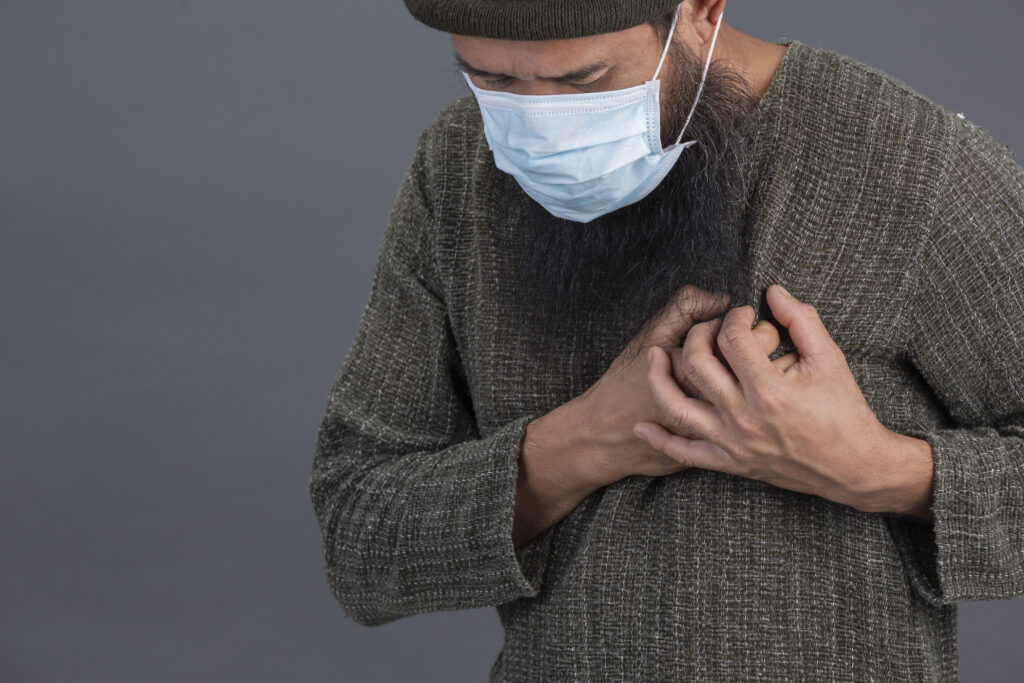
Chronic obstructive pulmonary disease (COPD) is a severe, progressive, and debilitating disorder that impairs airflow in the lung. Active smoking aggravates asthma in smokers and is linked to an increased risk of asthma in adolescents and adults.
Tobacco use is a major cause of cardiovascular disease, including heart disease and stroke. Smoking can harm the heart, blood arteries, and blood cells. Chemicals and tar can raise the risk of atherosclerosis, or the formation of plaque in blood vessels. This accumulation restricts blood flow and can cause serious obstructions. Moreover, smoking contributes to peripheral artery disease (PAD), which develops when the arteries leading to the arms and legs narrow and impede blood flow. Some smokers have their limbs amputated as a result of blood circulation difficulties induced by smoking.
Cigarette smoking can harm a woman’s reproductive system and make pregnancy more difficult. This might be due to the fact that nicotine and other chemicals in cigarettes impact hormone levels.
On the other hand, the more cigarettes a man smokes, the greater his chance of erectile dysfunction. Smoking can also lower fertility by lowering the quality of sperm.
Quit smoking is one of the most beneficial things you can do for your health. You can consider the following methods to quit smoking successfully.
Your body and brain become used to nicotine over time. Around 80% to 90% of persons who smoke on a daily basis are addicted to nicotine. When you stop smoking, your body must adjust to the lack of nicotine. That is called withdrawal.
Withdrawal can be unpleasant, and some people may have severe symptoms. However, nicotine withdrawal poses a little health risk. Quit smoking is, in fact, the best thing you can do for your health. Even the most severe withdrawal symptoms will lessen with time.
NRT seeks to lessen cravings and withdrawal symptoms associated with quitting smoking. When used correctly, NRT can make a significant difference in your ability to effectively stop smoking. You avoid the toxic compounds found in cigarette smoke by administering modest, regulated quantities of nicotine into the circulation. By reducing physical withdrawal symptoms, you will be able to concentrate on the events and feelings that may provoke a desire to smoke. It comes in several forms: patches, gum, oral sprays, inhalers, tablets, or lozenges
Varenicline is a tablet that has no nicotine and functions differently than other medications. It works by adhering to the same areas of your brain that nicotine stimulates. Because the varenicline is already there, the nicotine from a cigarette has fewer locations to connect.
The benefits of varenicline include reducing your desire to smoke as well as your pleasure in cigarettes, providing you with the best likelihood of success of any single drug.
However, this medication is not appropriate for everyone, so consult with your doctor or a health expert to see whether they are correct for you. There are prescription restrictions each year, and you may be forced to obtain help from a health professional while stopping.
Related Articles:
Lung Cancer in Nonsmokers: Causes, Symptoms, Prevention
Lung Cancer Screening: An Early Diagnosis For Life-Saving
Stomach Cancer: Symptoms and Causes